























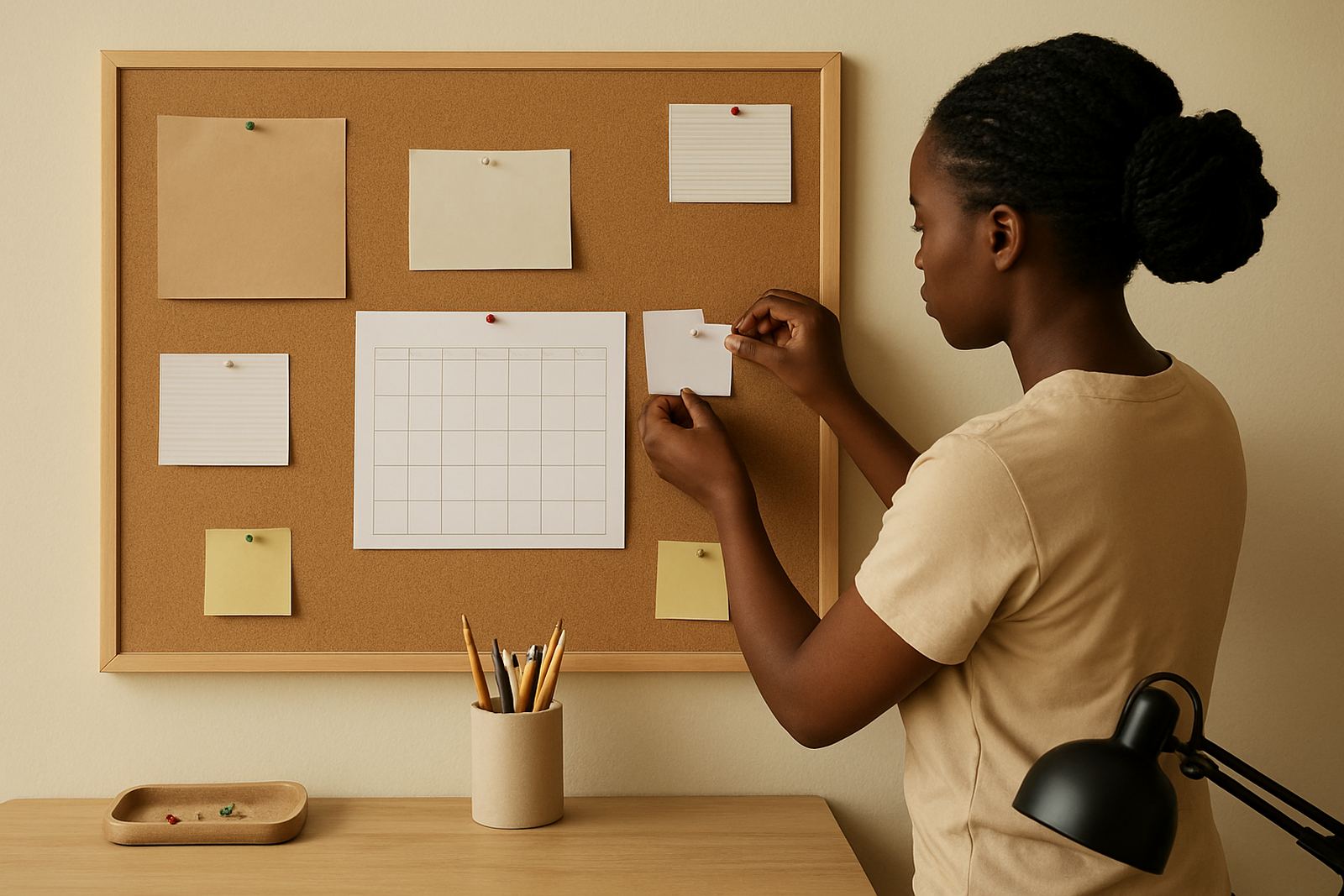

What the Creator Journal covers
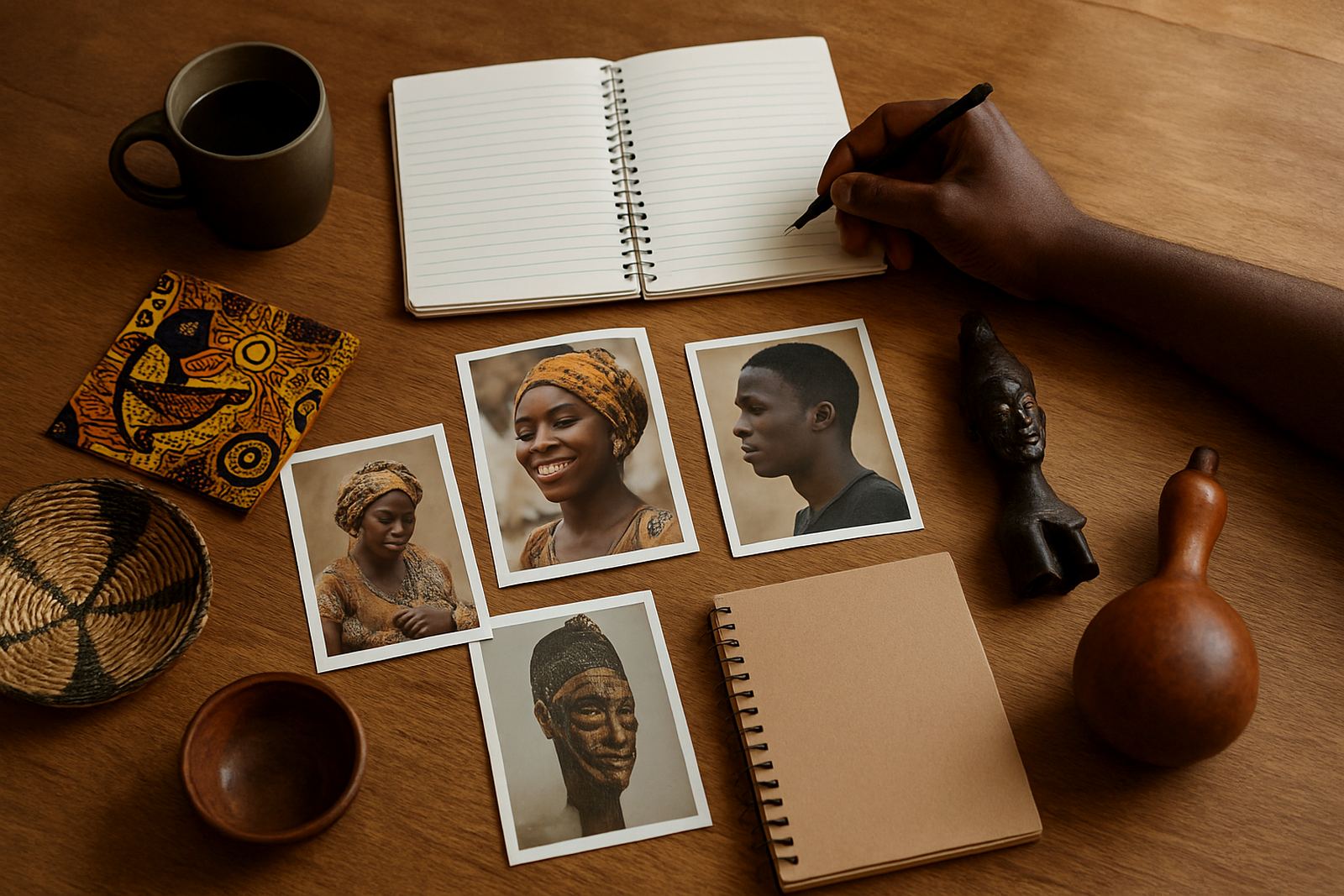
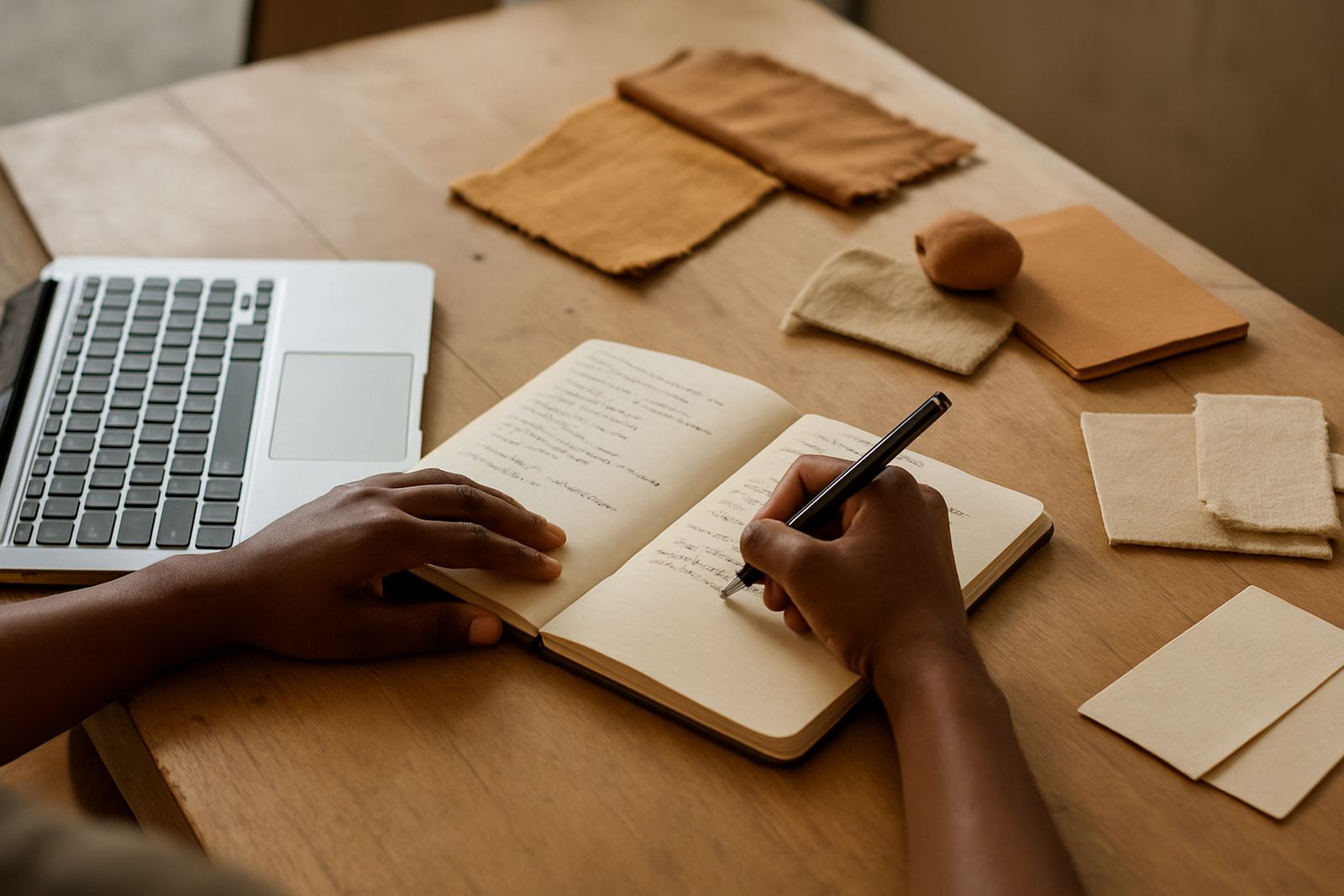
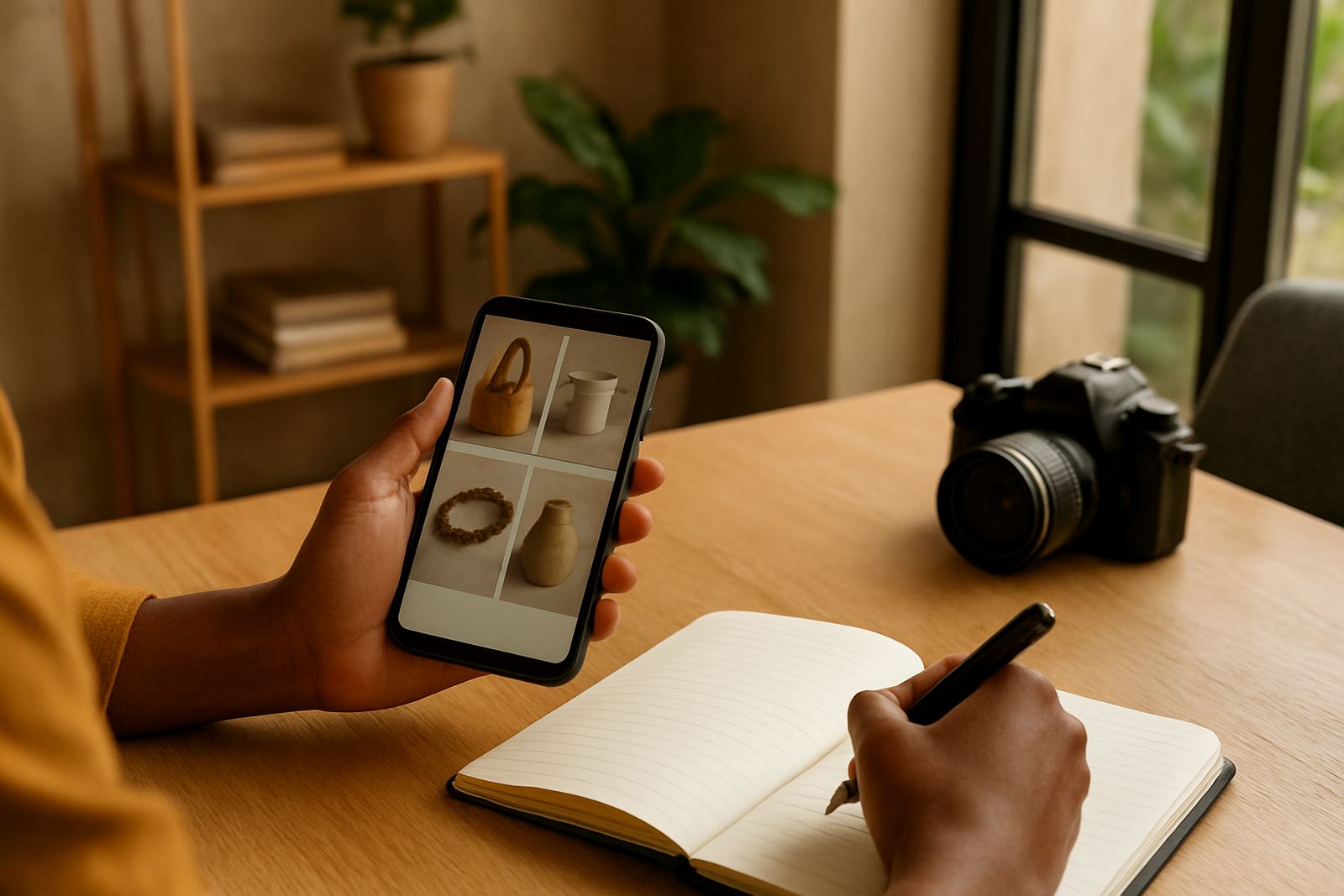
The Journal brings together writing for people who are building things and sharing them with others, whether that means a product line, a digital practice, a workshop business, or a creative service. You will find notes on how to present your work clearly, how to work with other creators, and how to prepare for events where first impressions matter. The aim is simple: useful reading for African makers dealing with real constraints like tight budgets, unreliable power and shifting market demand.
Each article is written to help you make better decisions, not just collect ideas. Some pieces are short and practical, others go deeper into pricing, positioning or collaboration habits. If you are new to the space, start with the basics. If you already show your work often, look for the pieces on readiness, feedback and partnerships.
How to choose the right article
Not every article suits every stage of the journey. Some are better for people refining a portfolio, while others help teams preparing for a market, showcase or mentorship session. Use the angle below to pick where to start, then move through the rest at your own pace.
- Need help presenting your work? Start with portfolio feedback and creator profile writing.
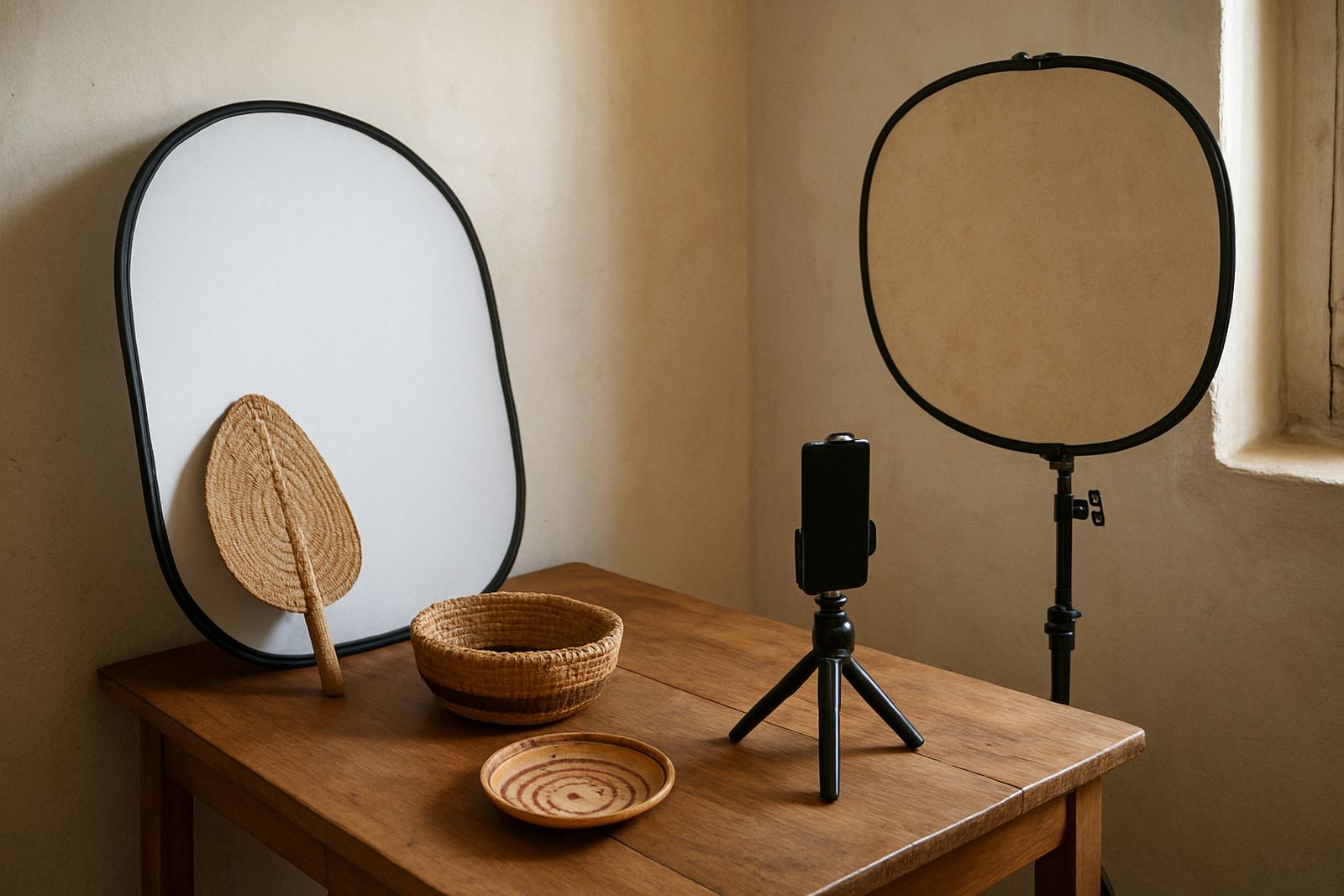
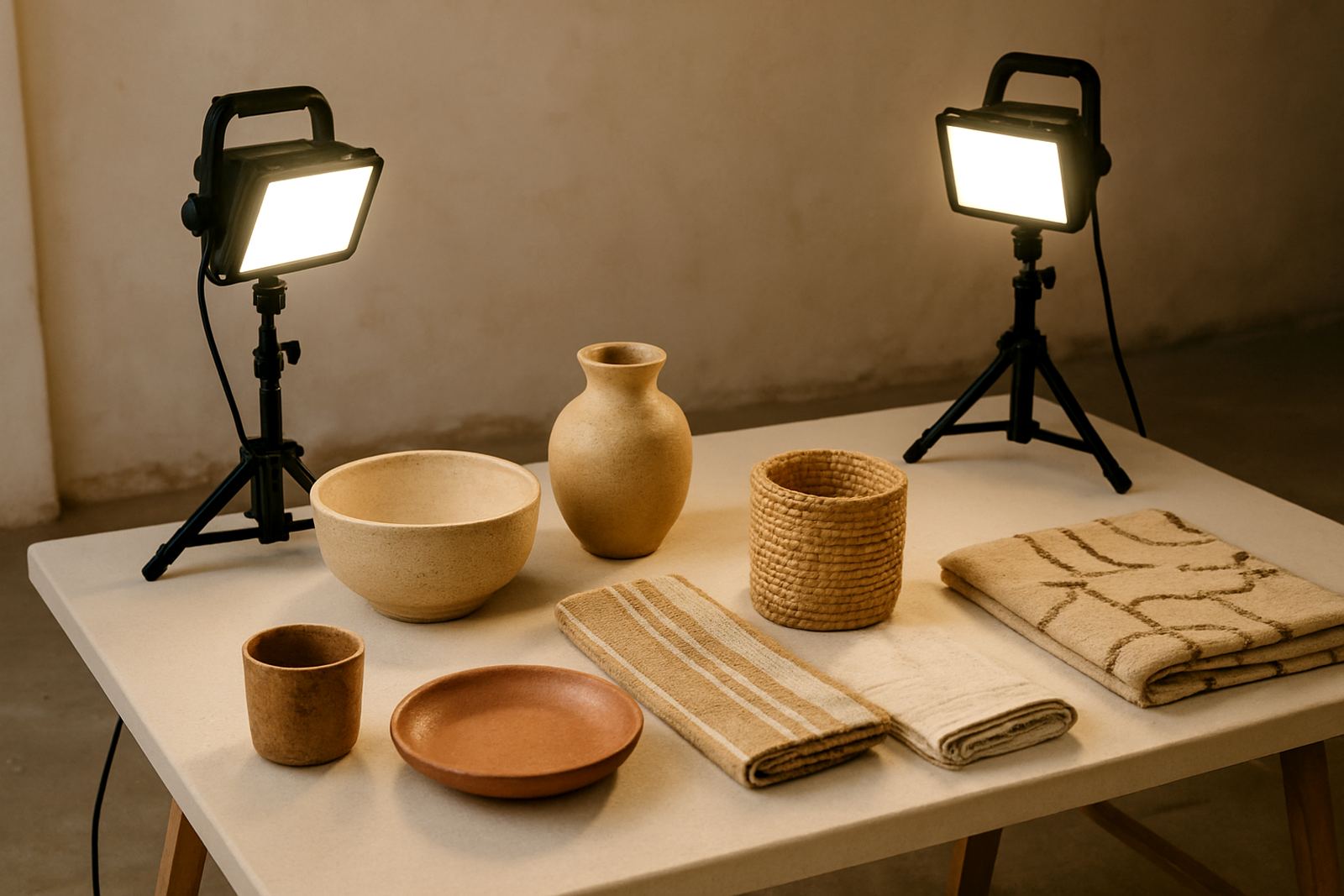
- Preparing for a showcase or popup? Read the pieces on styling, photography and event readiness.
- Looking for partners or peers? Choose collaboration, mentorship and community practice articles.
- Trying to improve margins? Look for pricing support and market readiness notes.
If you are based in Johannesburg, Cape Town, Durban, Pretoria or online, the same core ideas still apply, but the examples may shift to suit different spaces and audiences. That matters because what works in a Braamfontein studio may need a different approach at a coastal venue or a campus hall, ja.
Articles for showcase season
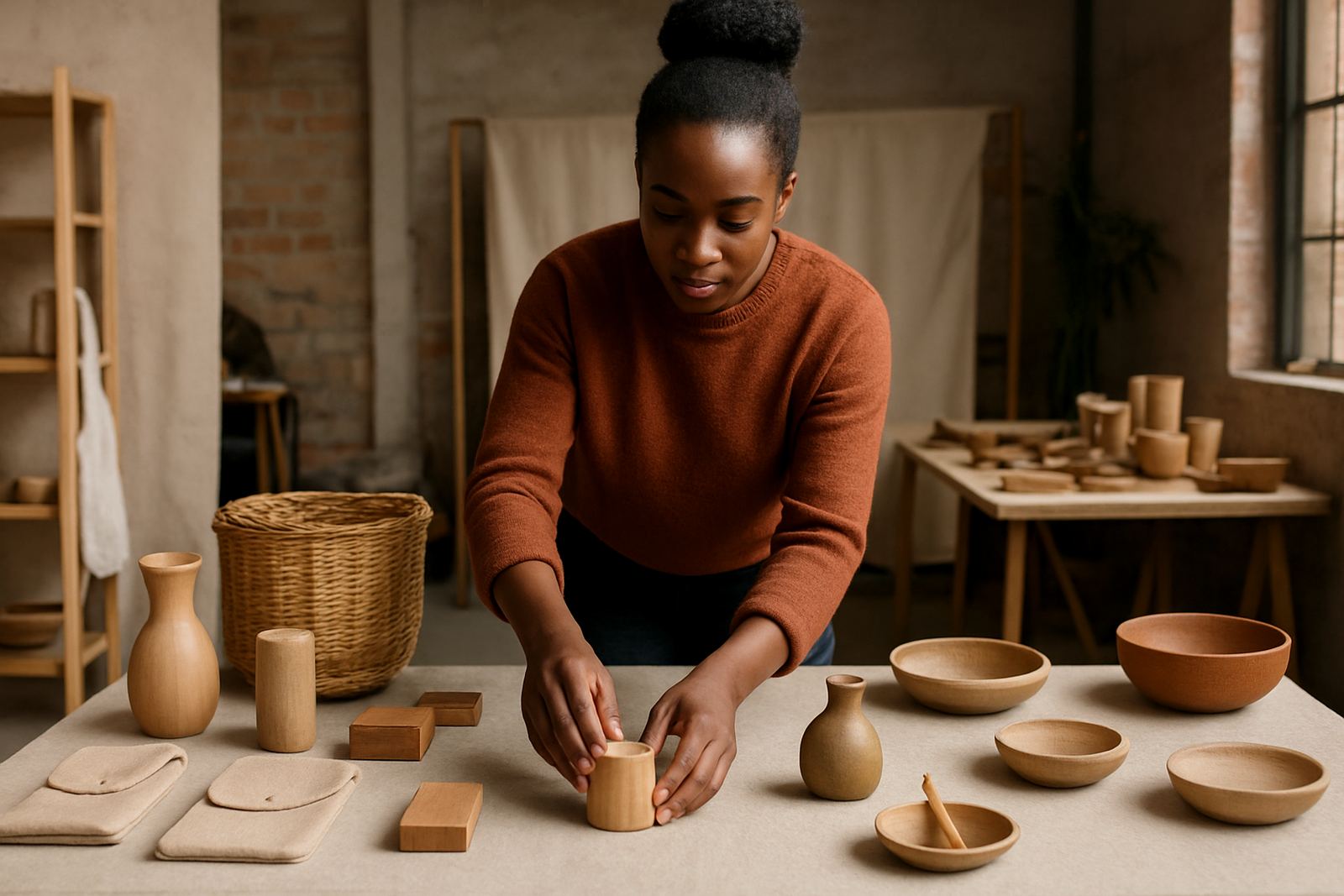
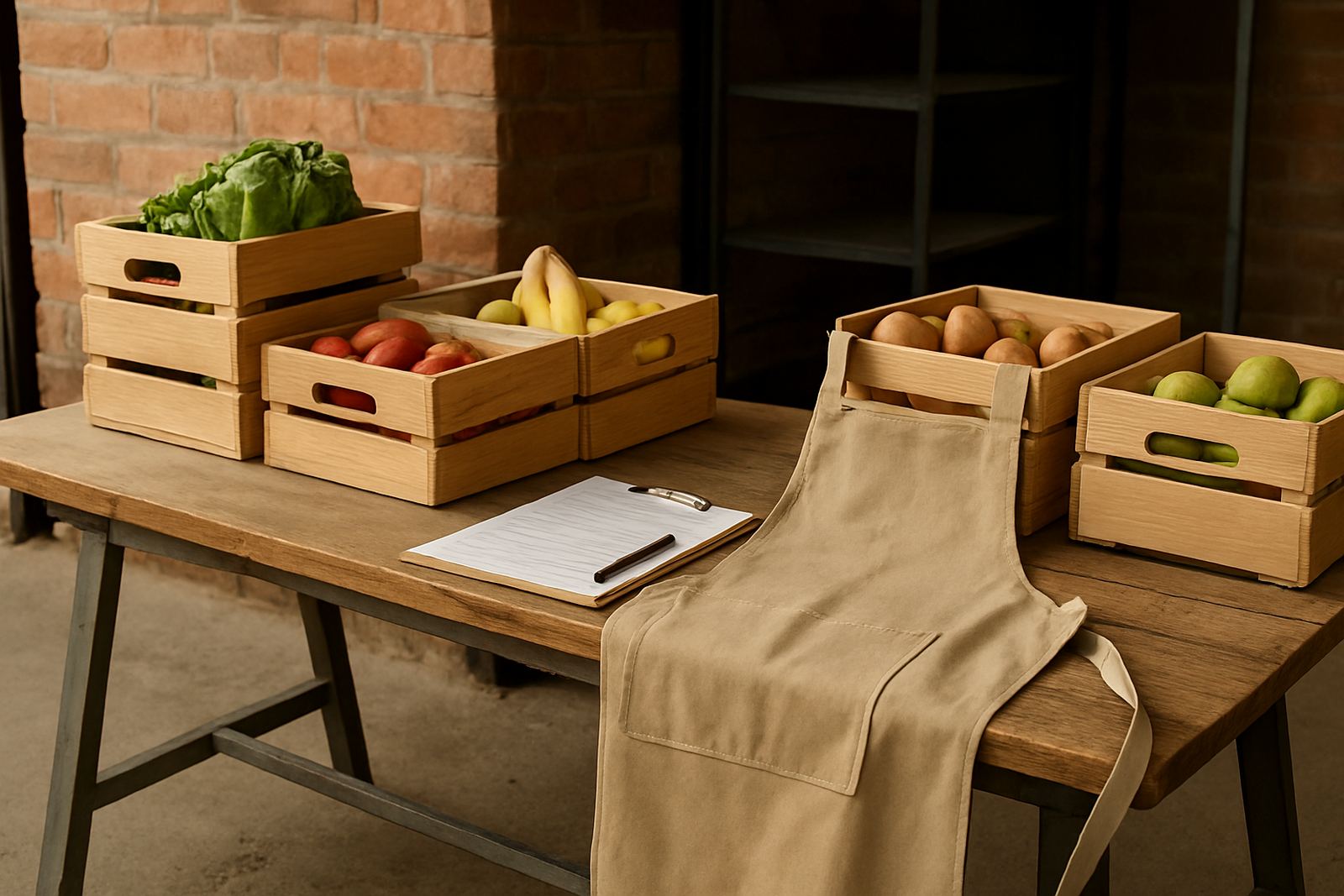
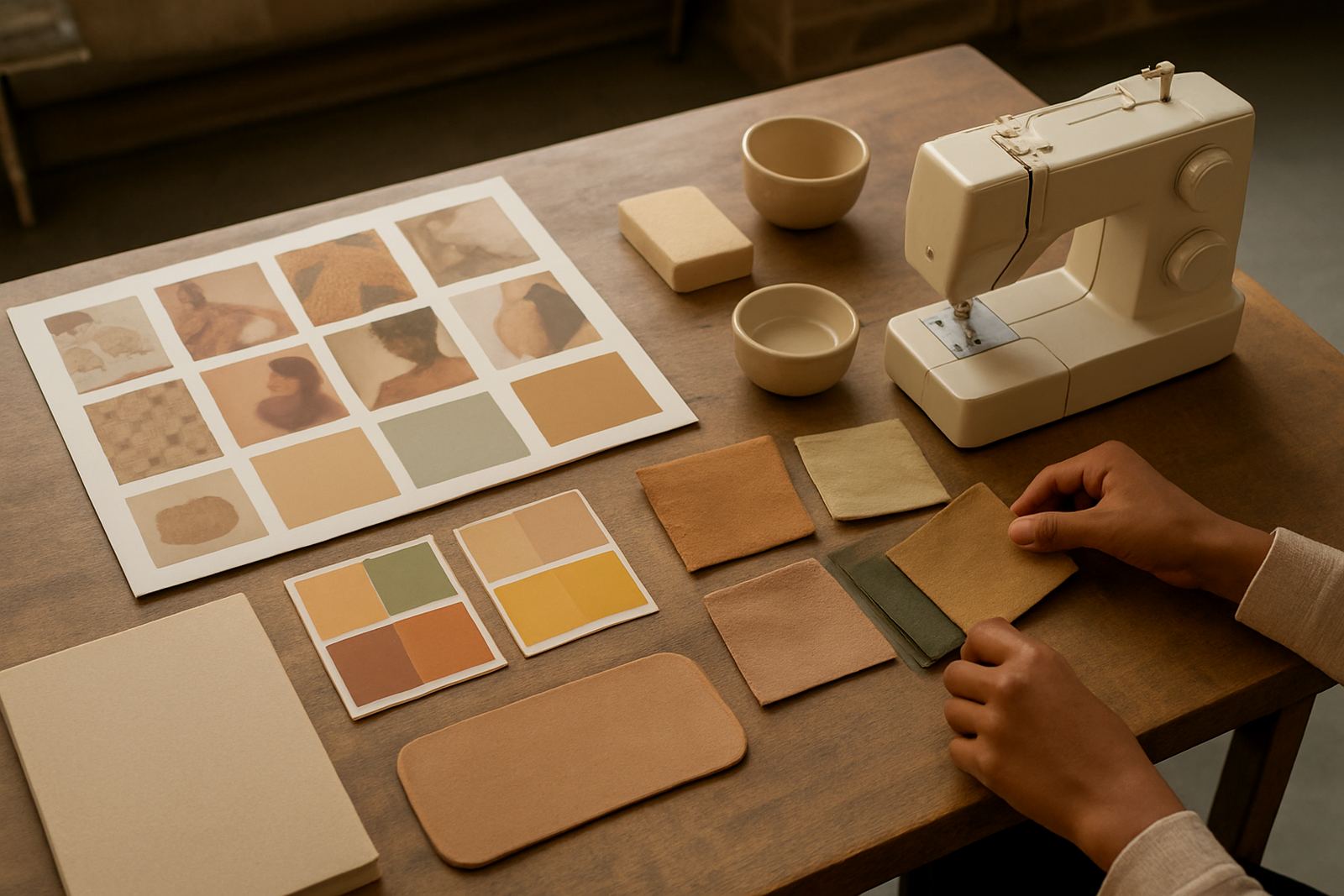
When you are preparing to put work in front of new people, the details count. The Journal covers how to organise a body of work, choose what to bring, and make sure your display speaks clearly before you say a word. Good showcase prep is not about making things look fancy. It is about making the work easy to understand and easy to trust.
Common topics include:
- How to sequence products or projects for a table, wall or screen
- How to write short captions that explain value without waffle
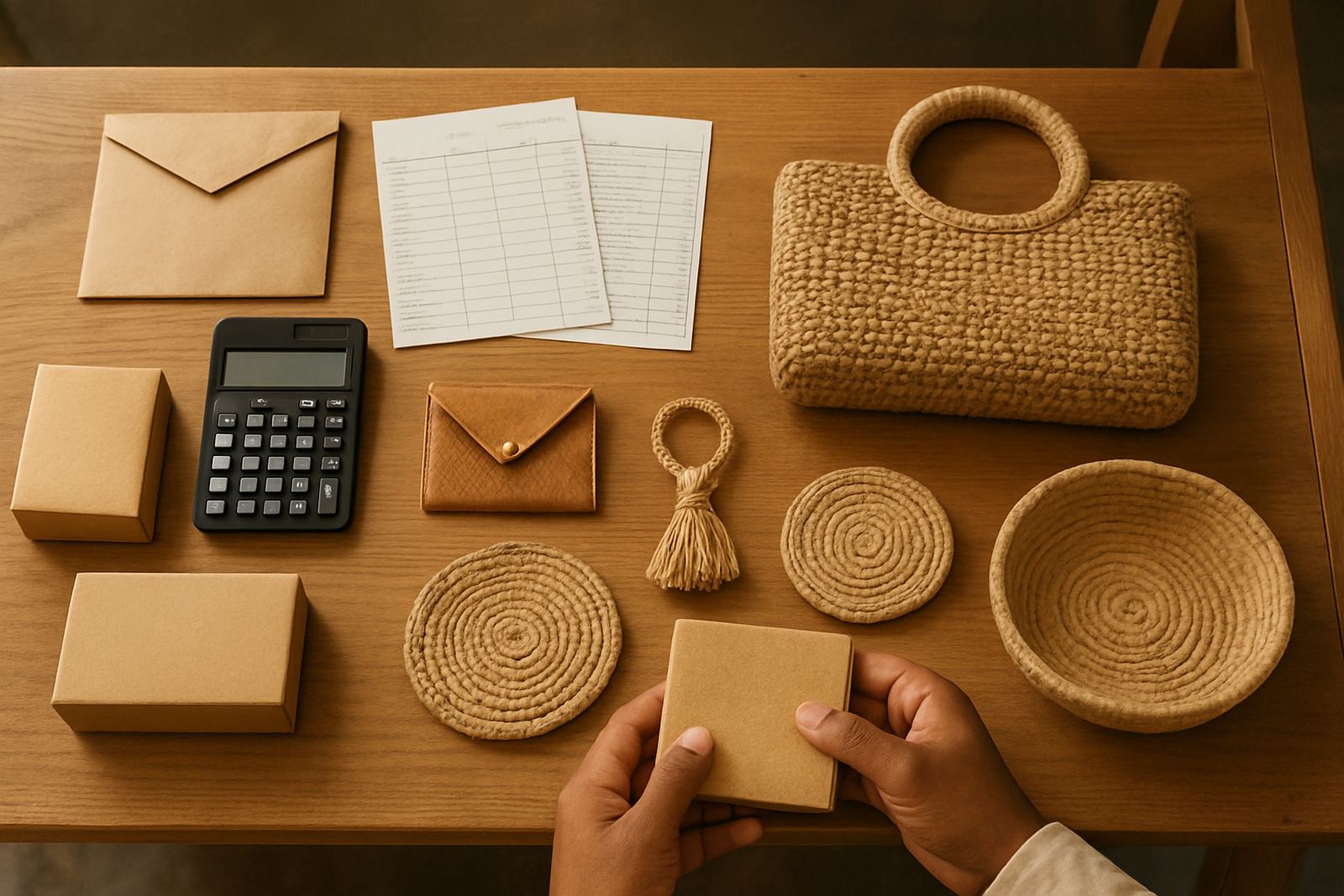
- How to price work so it still makes sense after transport, prints, materials and time
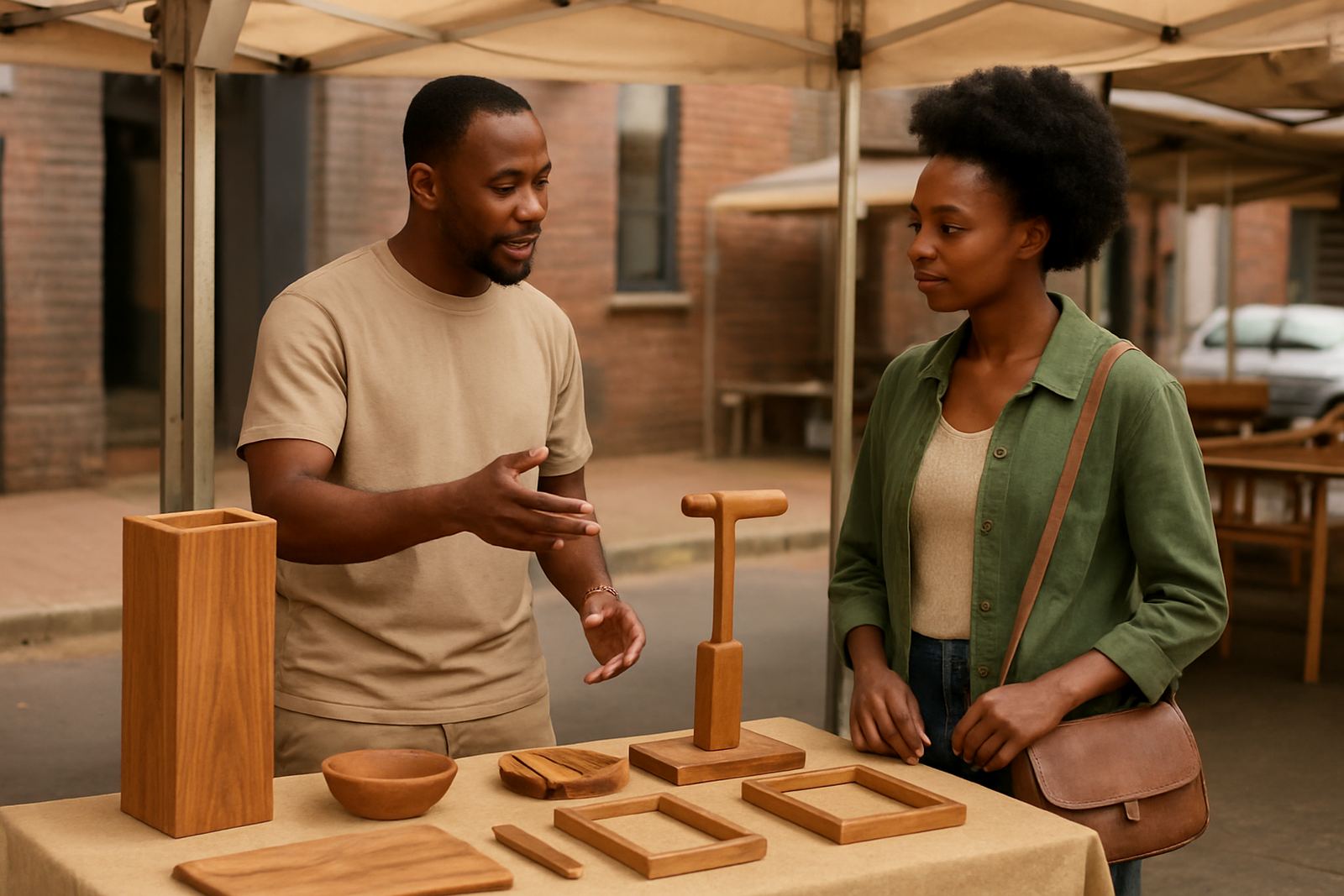
- How to prepare for questions from buyers, collaborators and curators
Community habits that help creators grow
Strong creative communities are built through repetition, respect and follow-through. The Journal looks at the small habits that keep people connected over time, like showing up prepared, giving clear feedback and sharing opportunities without making it a competition. These articles are especially useful for anyone working across cities, because trust has to travel well.
You will also find writing on mentorship circles, partnership building and the kind of communication that makes it easier to work across different disciplines. Whether you are in Soweto, Newtown, Rosebank or Nairobi, the basics stay the same: be clear, be on time and keep your word. That sounds simple, but it is often where projects succeed or fail.
Practical reading for online and in person sessions
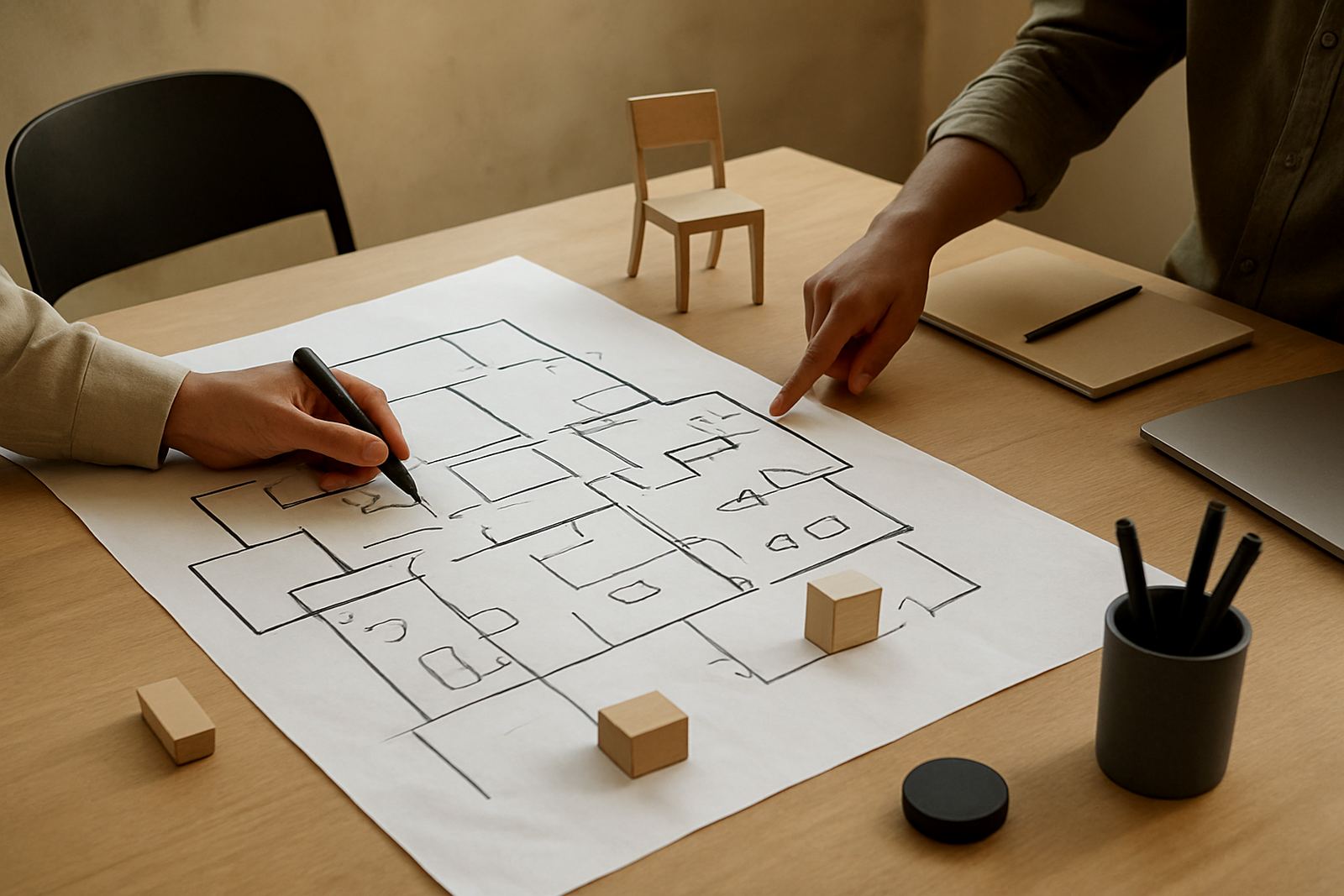
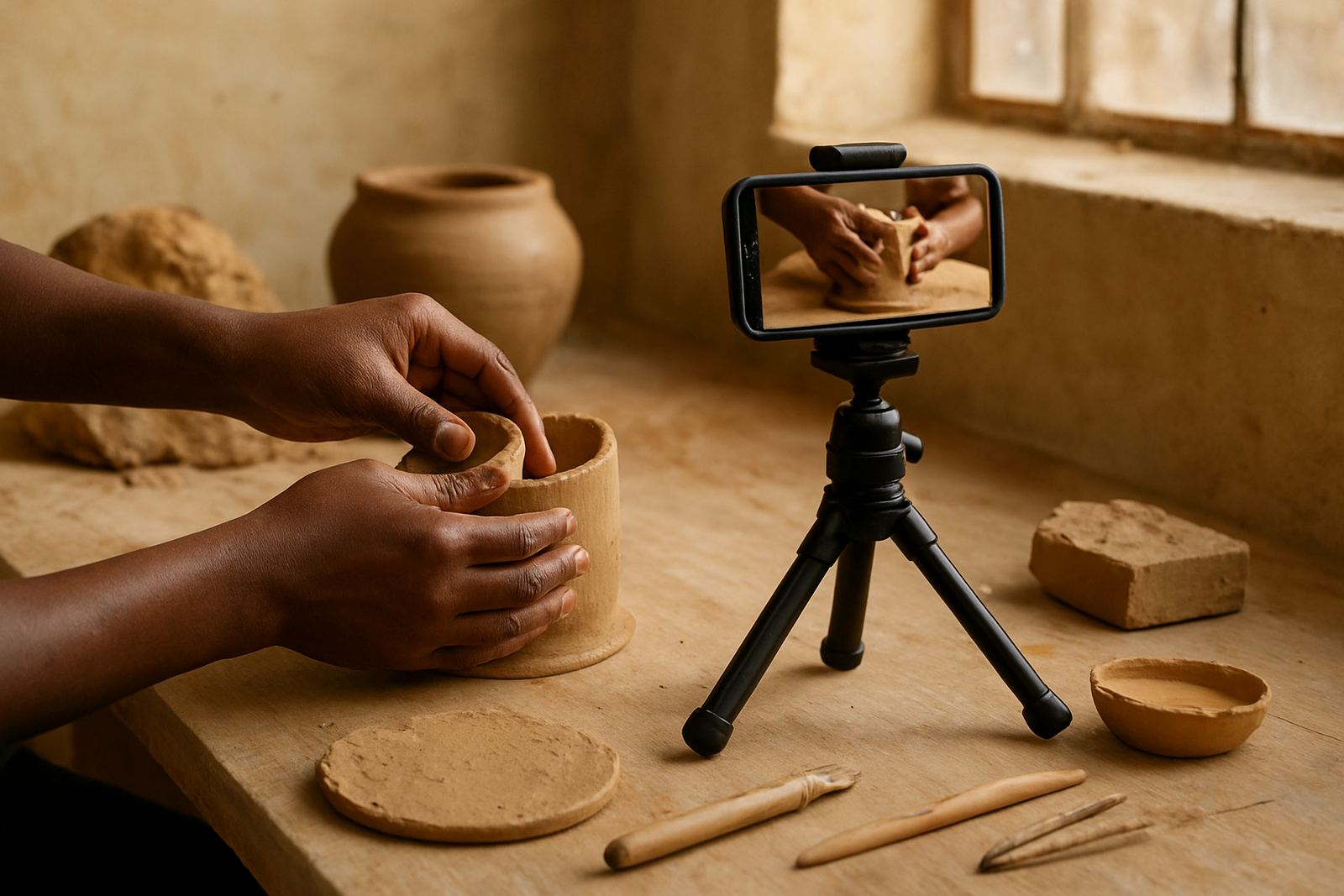
Some creators learn best in a room, others prefer a screen and a quiet corner. The Journal supports both. Articles on online session hosting cover preparation, timing, audio checks and how to keep people involved even when the connection is patchy. In person pieces focus on set-up, flow, signage and how to keep a meeting moving without losing the human feel.
- Prepare notes before the session, not during it
- Keep the agenda short enough to hold attention
- Leave room for questions, introductions and follow up
- Make sure the practical side is sorted: power, transport, files and timing
These things are not glamorous, but they matter. A well run session makes room for better ideas and better relationships.
Why this journal matters for African made work
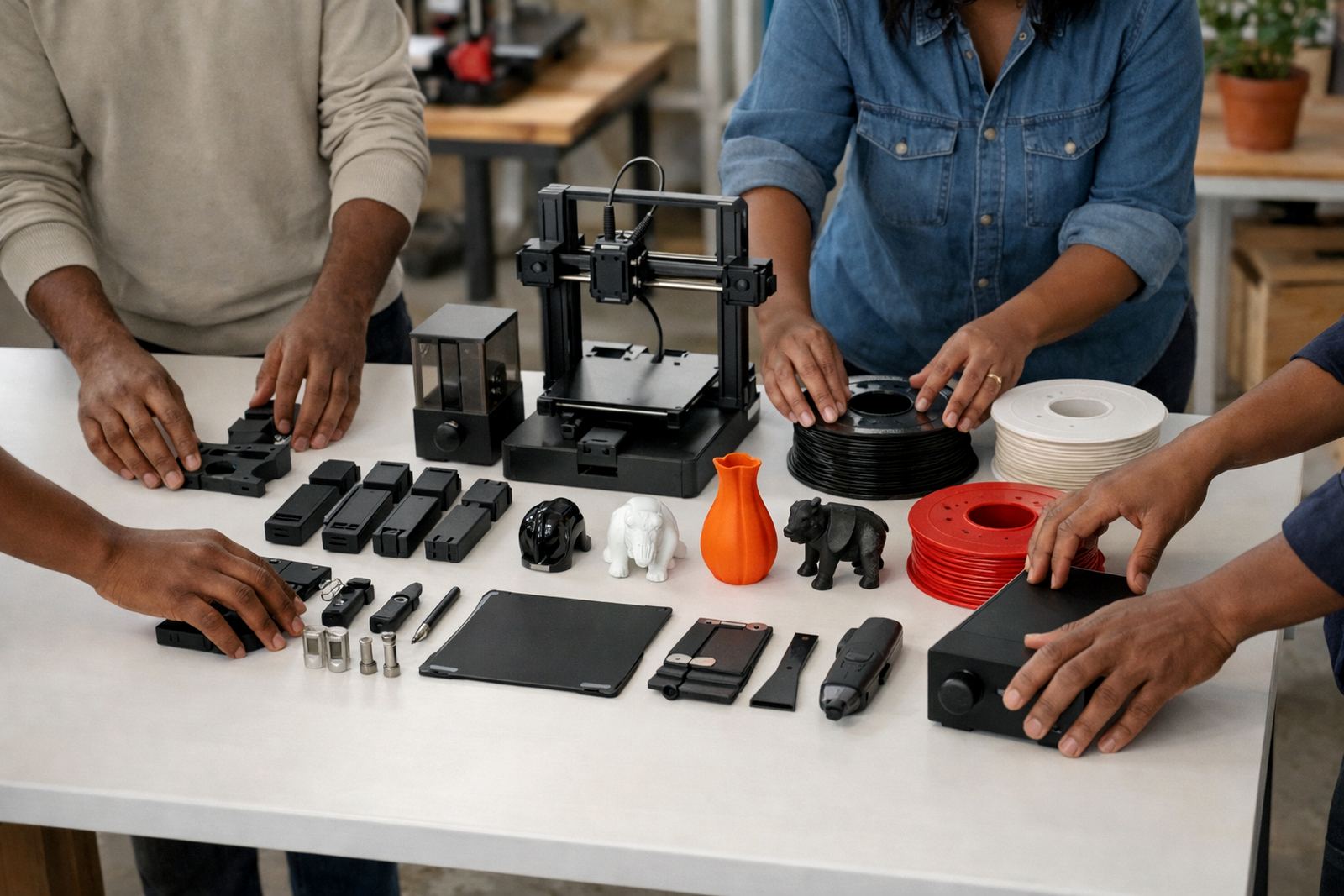
African creators often work across more than one role at once. You may be designing, selling, writing, photographing, managing and fixing things on the same day. The Journal is built for that reality. It gives you reading that respects the work already being done, while offering ways to sharpen it for the next audience or partner.
Look here when you need grounded guidance on craft, pricing, presentation or collaboration. The articles are meant to sit alongside real practice, not replace it. If you want quick inspiration, this may not be the right place. If you want something you can use before your next meeting, showcase or mentor call, you are in the right place.