
Start with one clear reason for people to come
Every strong gathering starts with a simple answer to one question: why should someone leave home, close their laptop or sit in traffic for this? If the answer is fuzzy, the turnout and energy usually are too. A meetup for product designers needs a different shape from a showcase for makers, and a mentorship circle should feel different from a collaboration call. People respond best when the purpose is plain from the start.
Keep the promise focused. If the session is for portfolio feedback, make it about practical review and next steps. If it is for founders and makers, make space for introductions and problem solving. Do not try to squeeze six outcomes into one evening. In Johannesburg, where many guests are commuting from different parts of the city and also balancing load-shedding schedules, clarity matters even more. People plan around what they know they will get.
- State the main outcome in one sentence.
- Keep the topic narrow enough for real discussion.
- Let attendees know what they should bring or prepare.
- Build the agenda around the reason they came, not around filler.
Make arrival easy before the first handshake
A great programme can still feel difficult if the practical details are messy. People should be able to find the venue, enter it without stress and understand what happens next. In Braamfontein, that means thinking about parking, security, evening transport and whether guests will be arriving on foot from nearby buildings or by ride-hailing. If the venue has stairs, limited lighting or a noisy street edge, say so upfront. Nobody likes surprises when they are already late.
Check the basics early: seating, acoustics, toilets, water and power. For evening events, have a plan for load-shedding so microphones, projectors and charging points do not fail the moment the room gets busy. If your audience includes visitors from Pretoria, Durban or Cape Town, remember that they may not know the area at all. A short arrival note can save a lot of confusion and makes the event feel better organised straight away.
- Share the exact entrance and a simple landmark.
- Confirm lighting, sound and backup power before guests arrive.
- Arrange seating so people can see and hear without strain.
- Plan for weather, security and transport at the end of the session.
Design the room so people can speak, not just listen
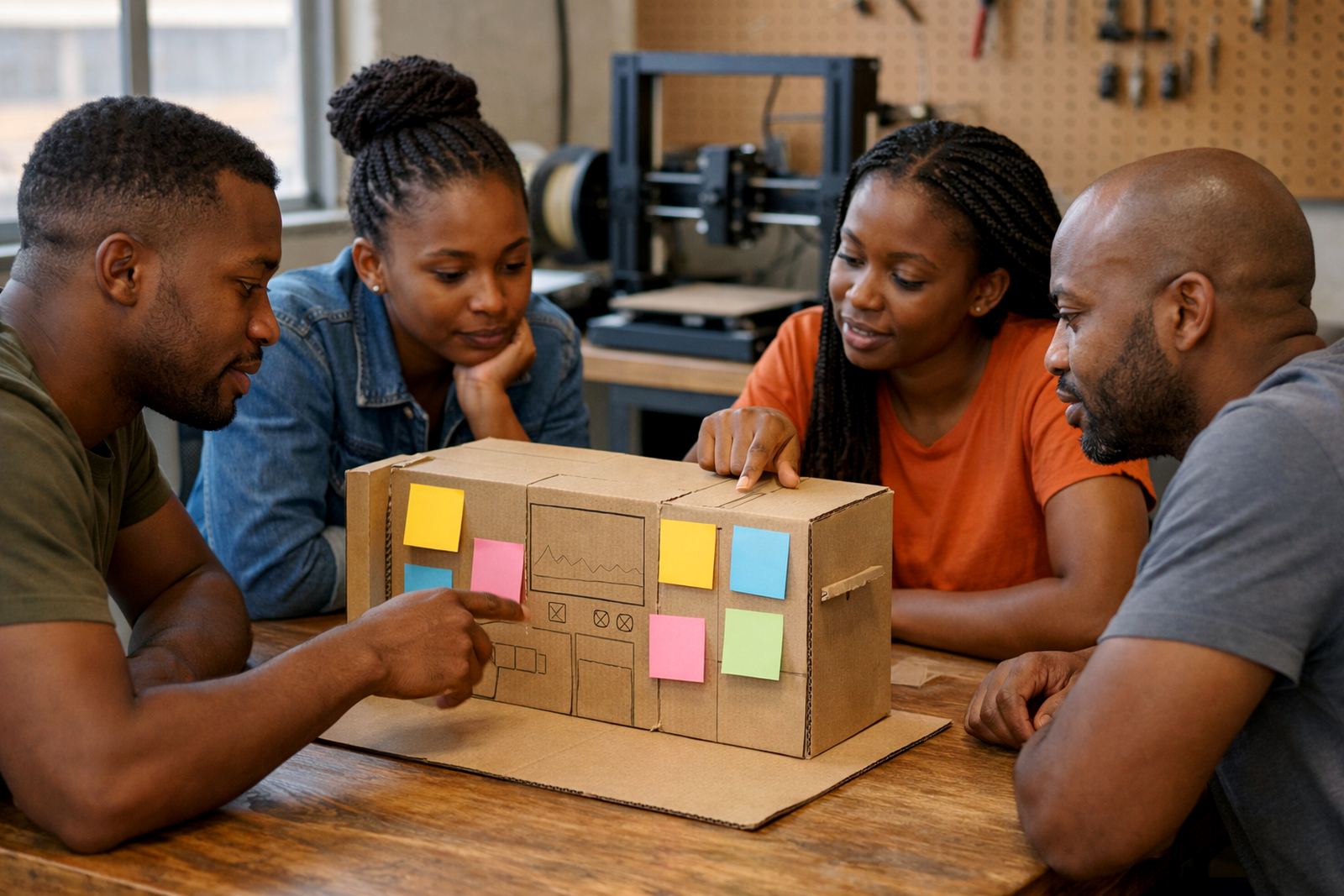
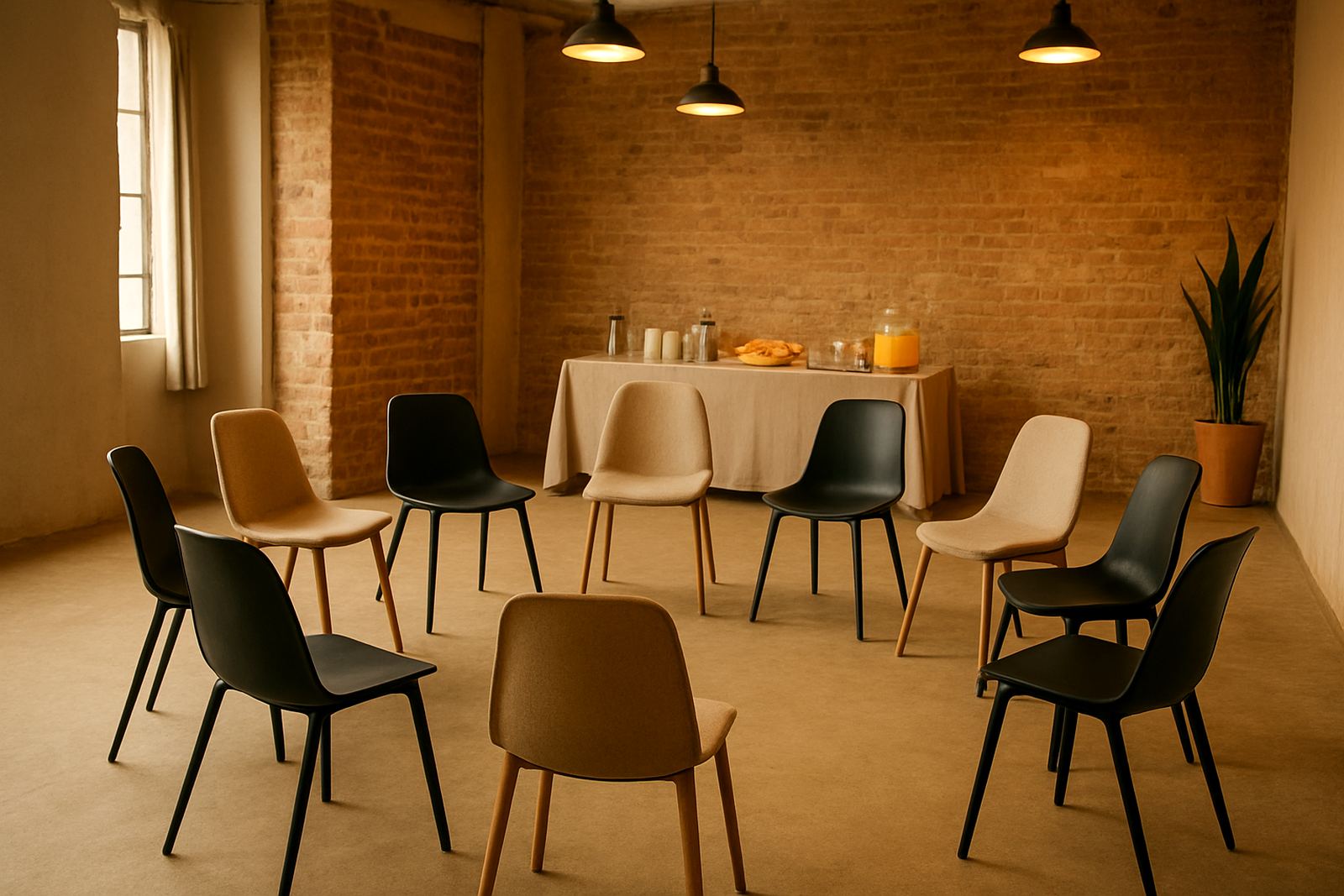
Some gatherings become stiff because the layout tells everyone to stay quiet. Rows of chairs facing one person may work for a lecture, but they often kill the kind of exchange people remember. If the aim is community, use a setup that invites conversation. Small clusters, circles and mixed seating make it easier for people to introduce themselves and move into discussion without feeling put on the spot.
Music, lighting and the room temperature also shape the mood more than many organisers expect. A venue that is too cold or too loud can make even a brilliant programme feel flat. Keep the first 10 minutes welcoming and light, so people can settle in before the serious bits. A little movement helps too. Ask people to stand, switch seats, or form pairs for a short chat. That tiny shift often changes the whole room.
When guests feel safe to speak, the value of the meetup rises fast. They do not just hear a talk, they meet someone who understands their struggle with pricing, find a collaborator for a product idea, or hear a mentor explain how to prepare for a market pitch. That is the part people remember on the taxi ride home.
Keep the agenda tight but human
People enjoy structure, but not a programme that feels over-rehearsed. A good meetup has enough shape to keep things moving and enough breathing room for real conversation. Start on time, introduce the purpose, move into the main activity and leave proper space for questions. If there is a panel, do not let it run too long. If there are several speakers, keep each one focused on one useful point instead of a long story.
For a practical event, a simple sequence often works best. Welcome, short introductions, main content, table or group discussion, then a close with clear next steps. That last part matters. People should leave knowing how to follow up, where to send work, or what the next session will cover. Without that, a good evening can fade fast and feel unfinished.
Try this kind of timing for a two-hour meetup:
- 10 minutes for arrival and sign-in.
- 15 minutes for welcome and context.
- 30 minutes for the main talk or showcase.
- 25 minutes for questions, group chat or feedback.
- 10 minutes for announcements and close.
That leaves room for a quick stretch, a photo and a final round of introductions without dragging the evening out.
Build real value into networking time
Many people say they want networking, but what they really want is useful connection. That only happens when the room is given a bit of structure. If you leave networking completely open, the same confident people will dominate and quieter members may leave without speaking to anyone. A better method is to give people a prompt or a small task that makes conversation easier.
Use name tags, short intro cards or guided questions so people can quickly explain what they do and what they need. For example, ask each person to share one project, one challenge and one kind of help they are looking for. That makes it easier for a designer in Pretoria to find a printer, or for a creative team in Durban to meet a collaborator in Johannesburg. The trick is to create a room where asking for help feels normal.
- Ask for one specific thing, not a long personal pitch.
- Pair new guests with a friendly host or volunteer.
- Create time for table chats instead of only open mingling.
- Capture useful introductions so follow-up is possible after the event.
Follow through after the event so the connection lasts
The best meetups continue after everyone has gone home. That follow-through is what turns a pleasant evening into an active community. Send a short recap, share useful links and remind guests where to find the next session or collaboration opportunity. If someone gave a strong insight, quote it. If a project was shown, share a clear image or summary. It shows respect for the people who made time to attend.
It also helps to gather feedback while the event is still fresh. Ask what worked, what felt rushed and what they would change next time. You will notice patterns quickly. Maybe the room was too warm. Maybe people wanted more time for introductions. Maybe the first 15 minutes felt confusing. These small fixes make a real difference, and they often cost nothing.
For a Braamfontein gathering, we have seen how a practical close can turn a one-night session into an active circle of makers and builders. When guests leave with names, links and a sense of where to go next, they are far more likely to come back, bring someone else and keep the conversation alive. That is how a meetup stops feeling like an event and starts feeling like a community.