When making stops being a spare-time experiment
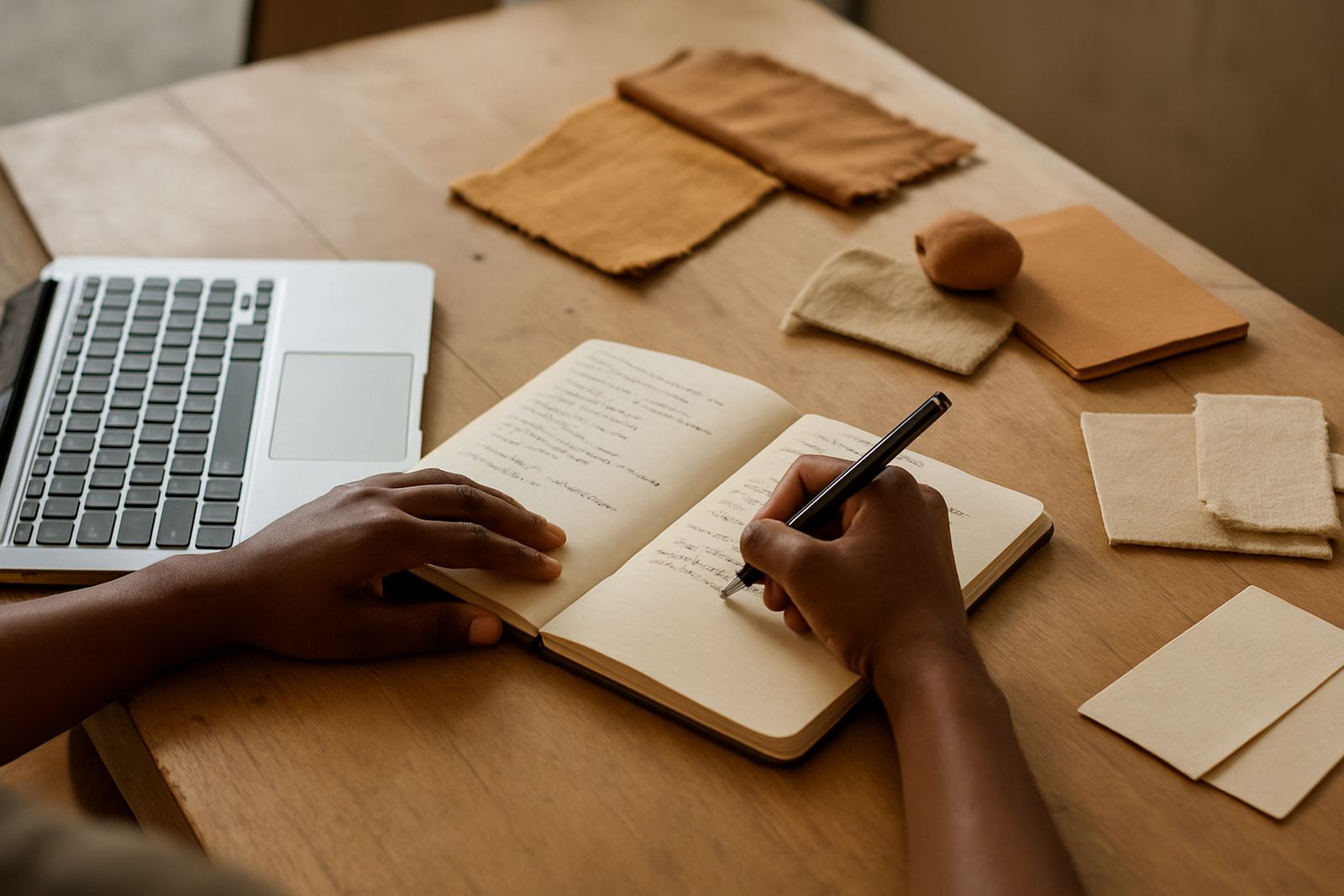
Most people start by making things because they enjoy the process. You sketch after work, try a new material on Saturday, then post a photo and wait for feedback. That is a hobby. A practice is different. It has rhythm, deadlines, notes, repeatable steps and a clear sense of who the work is for.
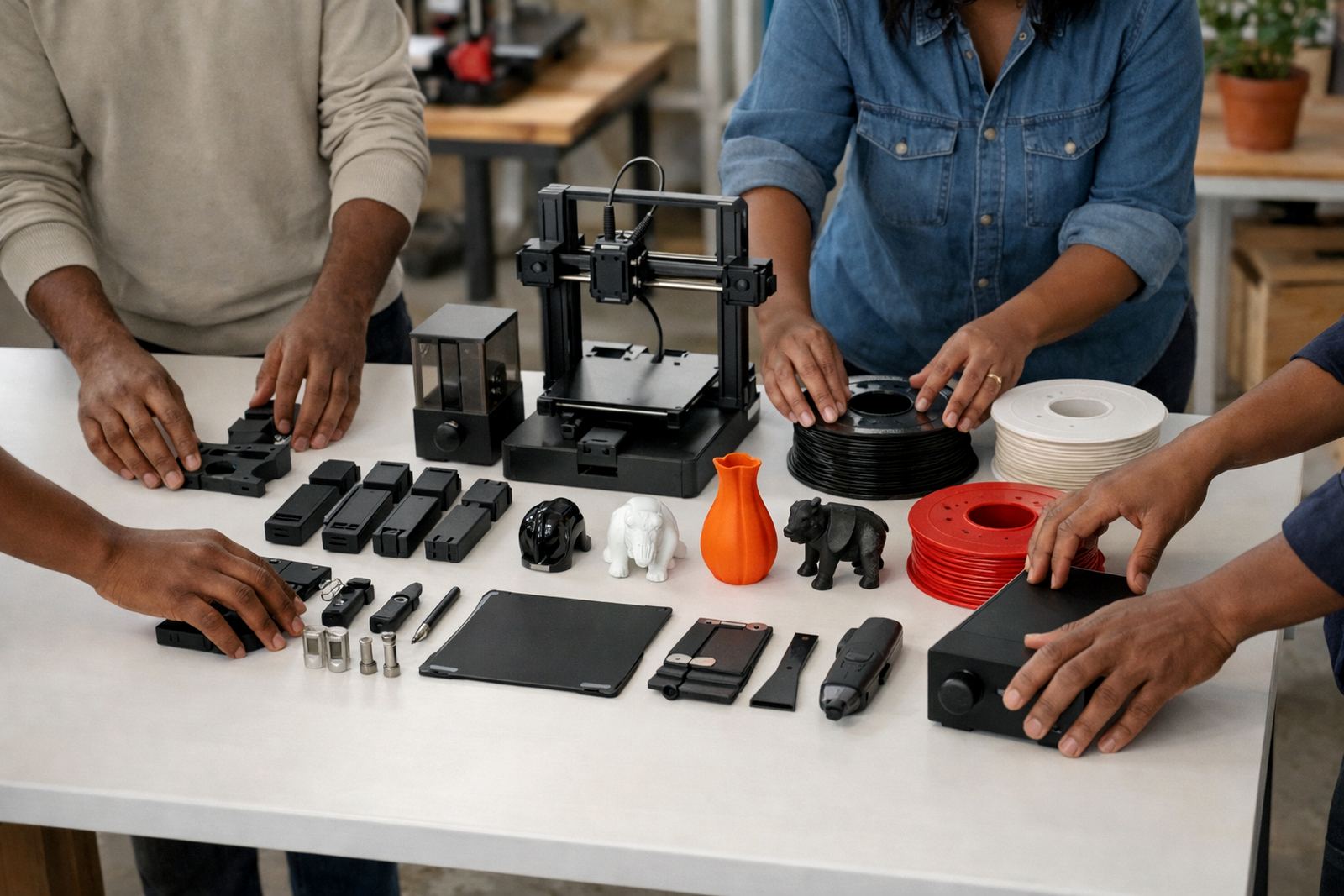
The first change is mental. Once making becomes regular, you stop asking, “Can I do this?” and start asking, “How do I do this better next time?” That small shift matters. It changes how you plan your week, how you spend money, and how you speak about your work when someone asks what you do. In Braamfontein, we often see designers and makers move from one-off pieces for friends into small batches for galleries, pop-ups and online orders. The work starts to look prctical, not random.
- Hobby work is optional. Practice has a schedule.
- Hobby work is often made for approval. Practice is made for use or sale.
- Hobby work can be inconsistent. Practice depends on repeatable steps.
Build a weekly rhythm before you chase bigger markets
Consistency is what turns good ideas into usable output. If you only make when inspiration lands, you will struggle to meet an order or prepare for a showcase. A simple weekly rhythm helps: one day for planning, one day for making, one for admin, and one for sales or outreach. That is enough to start.
For many South African creators, load-shedding and transport time shape the week. If your tools need power, plan your cutting, charging, printing or editing around the hours you have it. If you travel between Pretoria, Soweto or Durban, batch your errands so you are not losing half a day on small tasks. The aim is not perfection, it is steadiness.
- Set a fixed making day, even if it is only three hours.
- Keep a running list of materials you use up often.
- Block one admin hour each week for quotes, invoicing and follow-up.
Pricing starts getting serious once you can repeat the work
When you move from hobby to practice, pricing becomes a real question. A handmade piece is not only the cost of beads, wood, fabric or software. It includes time, test pieces, packaging, transport and the hours spent answering messages. If you do not count these, your work may be busy but not sustainable.
A useful habit is to price one item as if you had to make it three times in a row. That tells you whether the process is efficient enough and whether you are undercharging. You can also compare your price to the local market. In Johannesburg, a market-ready item may need different pricing than the same item sold directly to a friend or through a corporate order. Different channels, different costs.
- List material cost, labour, packaging and transport separately.
- Add a small margin for breakages and failed attempts.
- Review your prices every three months, not every day.
Your portfolio should show range, not just your favourites
Once making is consistent, people will ask for proof. They want to know if you can deliver again, not just once. A clear portfolio helps. It should show what you make, who it is for and what kind of finish people can expect. You do not need a massive collection. You need a tight selection with good photos and short notes.
A local example: a Cape Town ceramic maker who started with weekend experiments on small bowls began documenting each batch, noting glaze tests, drying time and firing outcomes. That record helped when a café asked for a larger order. The maker could show consistency, not just beauty. That is what turns interest into trust.
- Include three to five finished pieces with clear captions.
- Show one work-in-progress image if it explains your process.
- Write down the size, material and use for each item.
Community is not extra, it is part of the practice
Many makers think they must figure everything out alone. In reality, most steady creative work grows through people. A mentor can help you spot weak points in your pricing. A peer can introduce you to a supplier. A collaborator can open a new audience you would not reach by yourself. That is why meetups, showcases and online calls matter.
In Braamfontein, we see how a room full of creators can change someone’s path in a single evening. A product designer meets a photographer. A workshop team meets a curator. A digital creator meets a partner in Durban who needs content support. Those connections are practical, not decorative. They can lead to paid work, better presentation and stronger market readiness.
- Share one clear ask when you introduce your work.
- Attend events with a notebook and follow up within two days.
- Offer help where you can, not only requests.
From making for yourself to making for a market
The biggest shift is learning who the work serves. A hobby lets you satisfy your own taste. A practice asks whether someone else can use it, buy it or depend on it. That does not mean losing your style. It means shaping the work so other people can meet it halfway.
That might mean changing colours for local buyers in Pretoria, adding stronger packaging for coastal humidity in Durban, or creating a simpler version for an online audience across Nairobi and South Africa. It can also mean adjusting your process so you can produce the same item twice with the same quality. That discipline is what makes a creator easier to trust.
If you are ready to move from occasional making into steady work, start small and stay honest. Count your time, track your costs, show your process and keep building relationships. The practice grows when the routine does.