
Start with the job your pop-up must do
Before you order signage or pack boxes, decide what the pop-up is for. Is it to sell product on the day, test a new range, collect leads, or get your work in front of new buyers? Each goal changes the setup. A maker showing handcrafted homeware at a Braamfontein market needs different stock levels and displays from a digital creator running a portfolio showcase in Rosebank.
Write down three numbers before you do anything else: how much space you have, how much stock you can carry, and how many hours you will trade. That simple check stops overpacking and helps you price the day properly. If the event is indoors, ask about loading bays, trolley access and whether you can arrive early enough to set up without rushing. In Johannesburg traffic, a 10 am start can still mean a 7 am loading plan.
Choose a site that matches your audience and your load
Location is not only about foot traffic. It is also about the kind of people who pass, how long they stay and whether they can carry purchases comfortably. A pop-up near student offices, galleries or co-working spaces may suit smaller, quicker purchases. A weekend community market can work better for slower browsing and higher basket values.
- Check whether the site has shelter from sun and rain.
- Ask if there is access to toilets, water and secure storage.
- Confirm the floor surface, especially if you are using plinths, rails or stands.
- Find out if the venue allows music, open flames, sampling or food prep.
- Ask who handles security and what happens after dark.
In coastal cities like Durban or Cape Town, humidity and wind can affect printed materials, fabric and packaging. In Pretoria and Johannesburg, dust and load-shedding matter more. Small details like weighted displays and covered stock can save you from a messy last hour.
Work out your setup before the first customer arrives
A tidy pop-up should guide people without needing much explanation. Place the strongest item at eye level and keep the front edge clear. If you are selling products, group them by use or price range. If you are presenting services or creator work, keep printed samples, QR codes and a short intro close together so people can understand you in seconds.
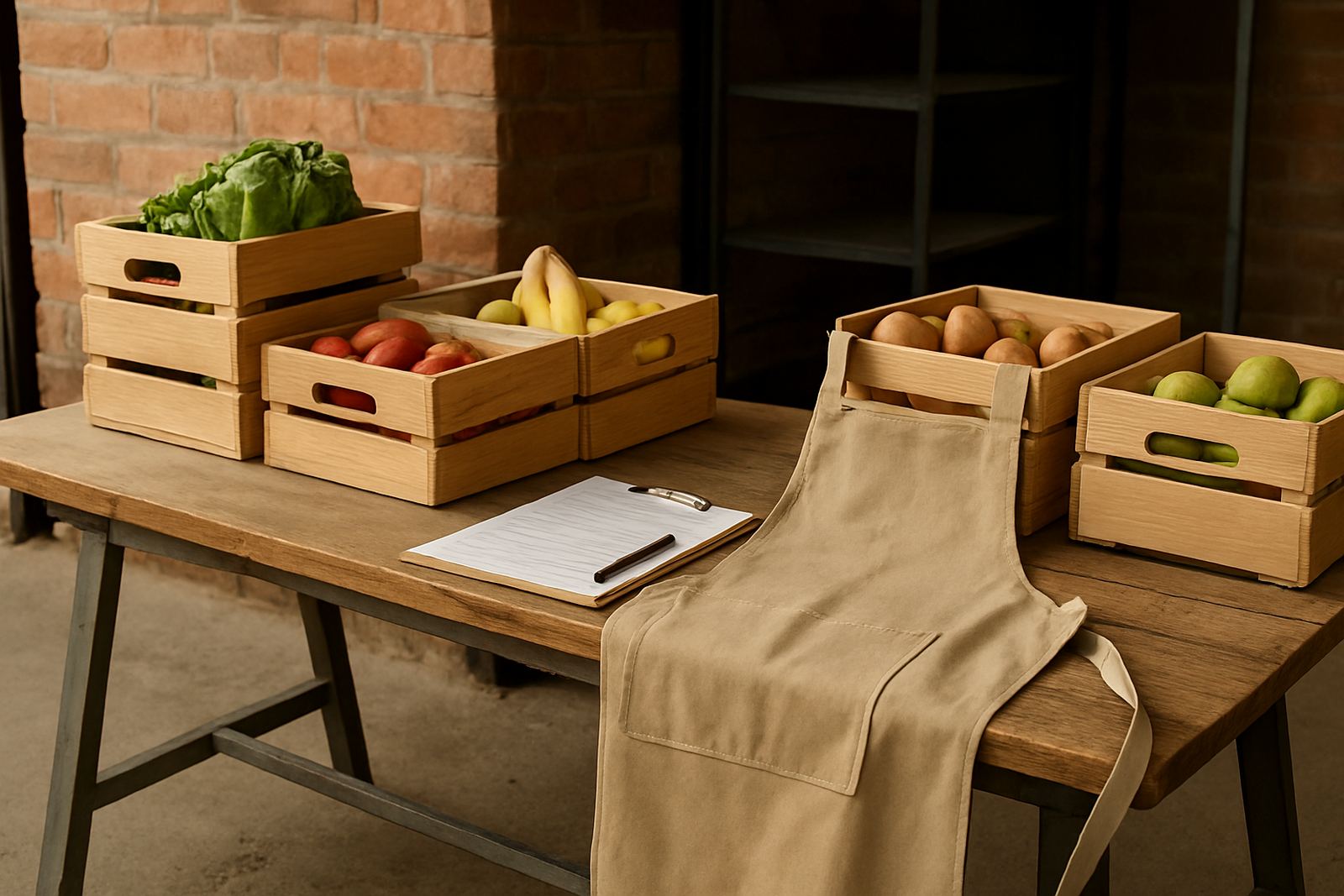
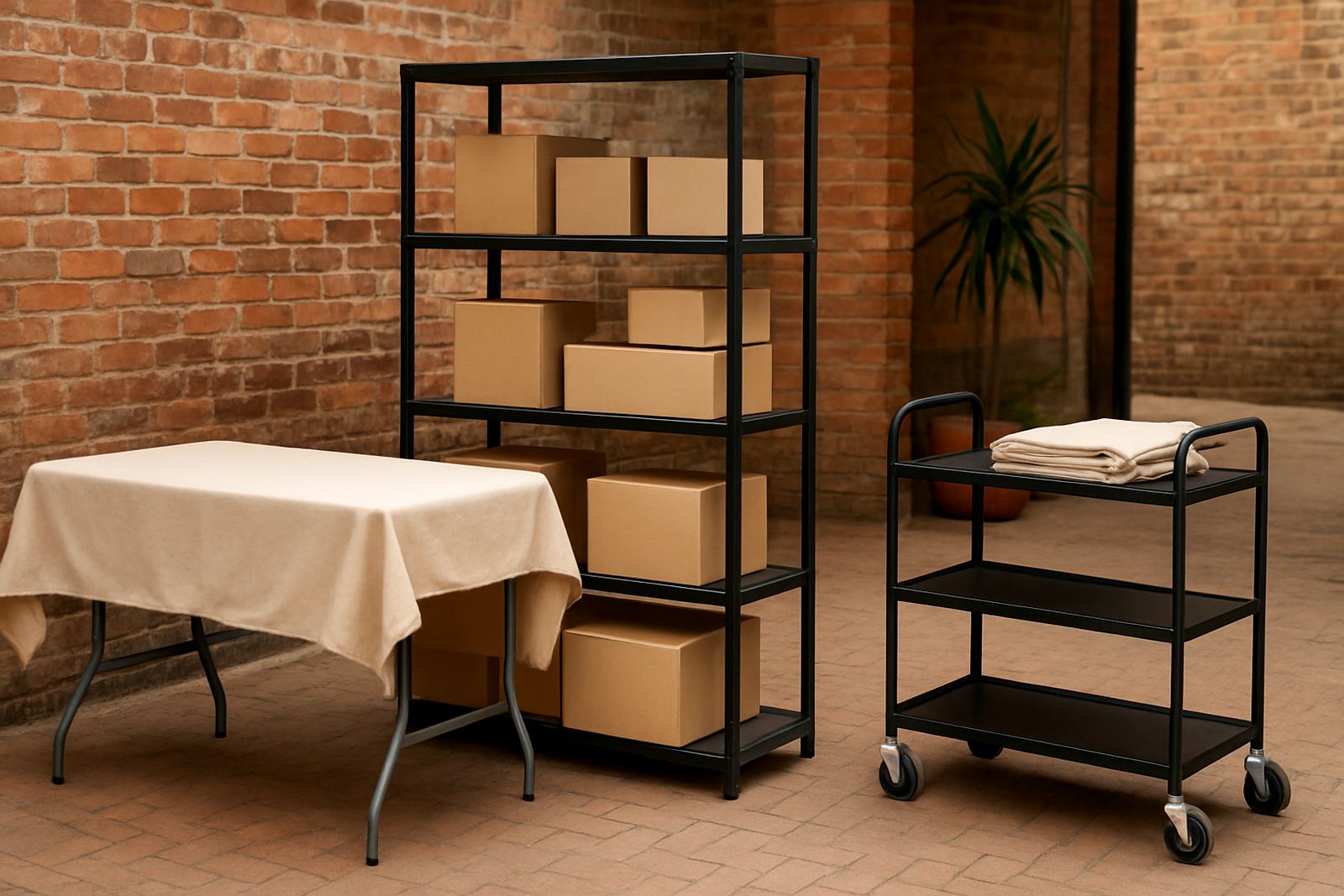
Think in zones. You need a welcome point, a display area, a payment spot and a packing area. If your table is too narrow, use vertical height with crates, shelves or lightweight stands. Test the full layout at home if you can. Measure twice, pack once, because once you are on site there is little room to improvise cleanly.
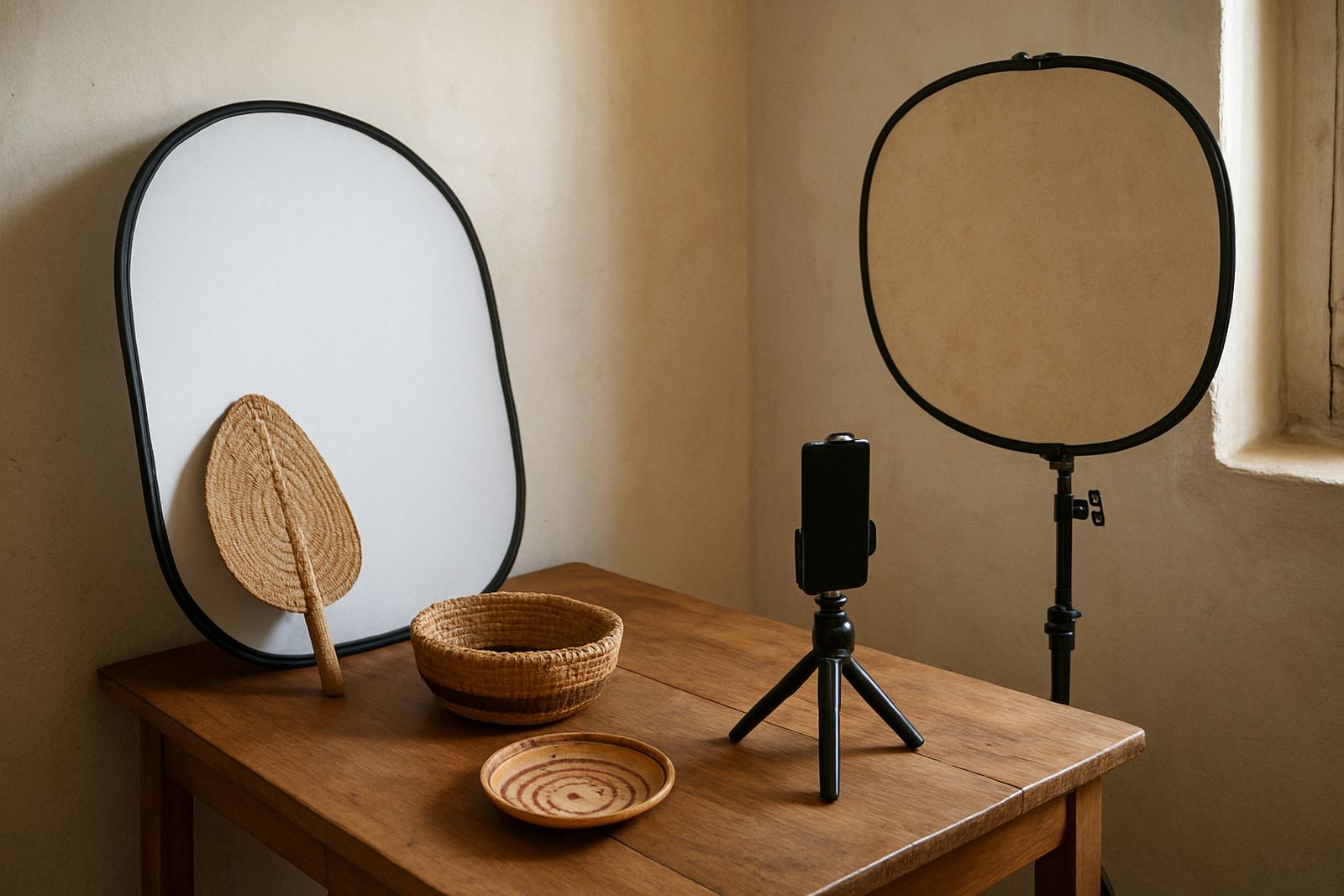
For public-facing creator events, sound and movement matter too. A small mic, a clipped-on sign or a quick talk every hour can bring people closer. But keep it controlled. Too much noise and the stand starts feeling like a street corner sale instead of a proper showcase.
Handle permits, safety and municipal rules early
Temporary trading often means paperwork, even for short events. Ask the venue or market organiser what they need from you. Some sites require proof of public liability cover, a trading permit, fire safety details or approval for gazebos and banners. If you are in a public space, the municipality may have its own conditions for trading hours, waste removal and noise.
- Keep copies of the venue approval, permit and ID for the team lead.
- Know where the fire extinguisher is and who is responsible for it.
- Check cable runs so no one trips over power leads.
- Pack a small first aid kit and a torch for after load-shedding or late pack-down.
Safety also includes your stock. Use lockable tubs, count items before opening and again before leaving. If you have fragile products or printed work, keep a backup box out of sight. At busy events, one missing item can throw off your sales record and your stock count at the same time.
Keep sales simple and make payment easy
At a pop-up, the fewer steps between interest and payment, the better. Not everyone carries cash, and not every customer wants to wait while you search for change. Make payment options clear at the front and have a manual fallback in case signal drops or the power cuts. A simple pricing board helps too, especially when the queue starts to build.
Price labels should be visible, accurate and easy to read from a short distance. If you offer bundles, spell them out. For example, a print plus frame, a starter pack, or a consultation plus follow-up note. Keep your specials limited and easy to explain. Too many offers usually slow the table down and make customers hesitate.
Also think about how you record the day. A clipboard, tally sheet or phone note can track what sold, what did not and what questions came up most often. Those notes are worth keeping, because the next pop-up gets stronger when you know what people actually asked for.
Use the event to build future work, not only same-day sales
A strong pop-up should leave you with more than a till slip. It should give you contacts, feedback and a better sense of your market. Invite people to leave a name and number for future drops, or to scan a profile page where they can see more of your work. If you are running a creator showcase, ask visitors what they would like to see at the next session, and which formats feel useful to them.
After the event, do a quick review while the details are still fresh. Which items sold first? Which display drew attention? Which questions came up again and again? Those answers help with pricing support, market readiness and future collaboration planning. They also help you decide whether the same setup works in Newtown, Soweto, Cape Town or online.
For a local example, picture a Saturday pop-up in Braamfontein with three tables, a small styling area and a short mentorship chat in the corner. The team arrives early, checks the power point, labels stock, and keeps a spare bag of clips, tape and markers on hand. By midday the stand is busy, not because it looks flashy, but because it is clear, organised and easy to approach.