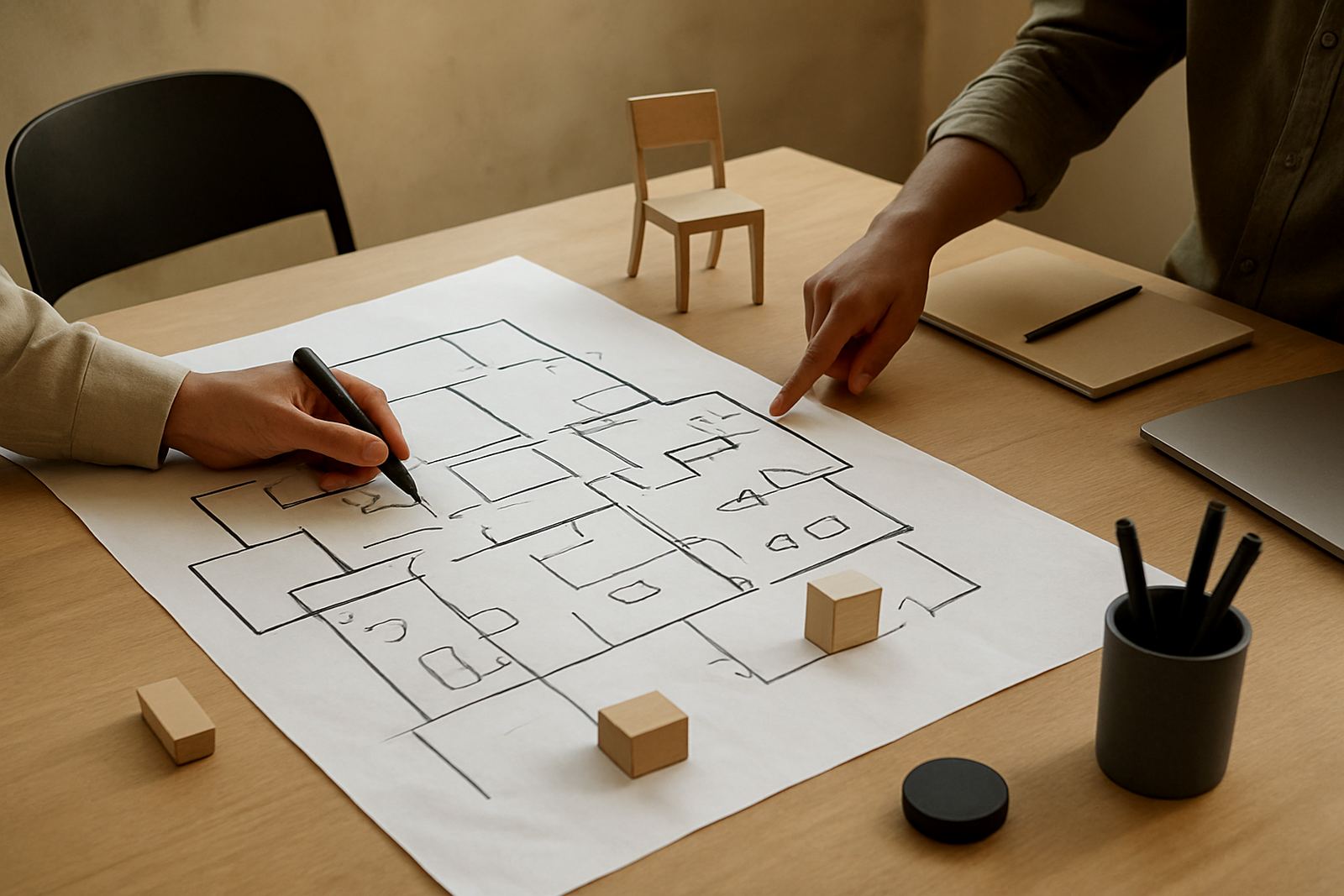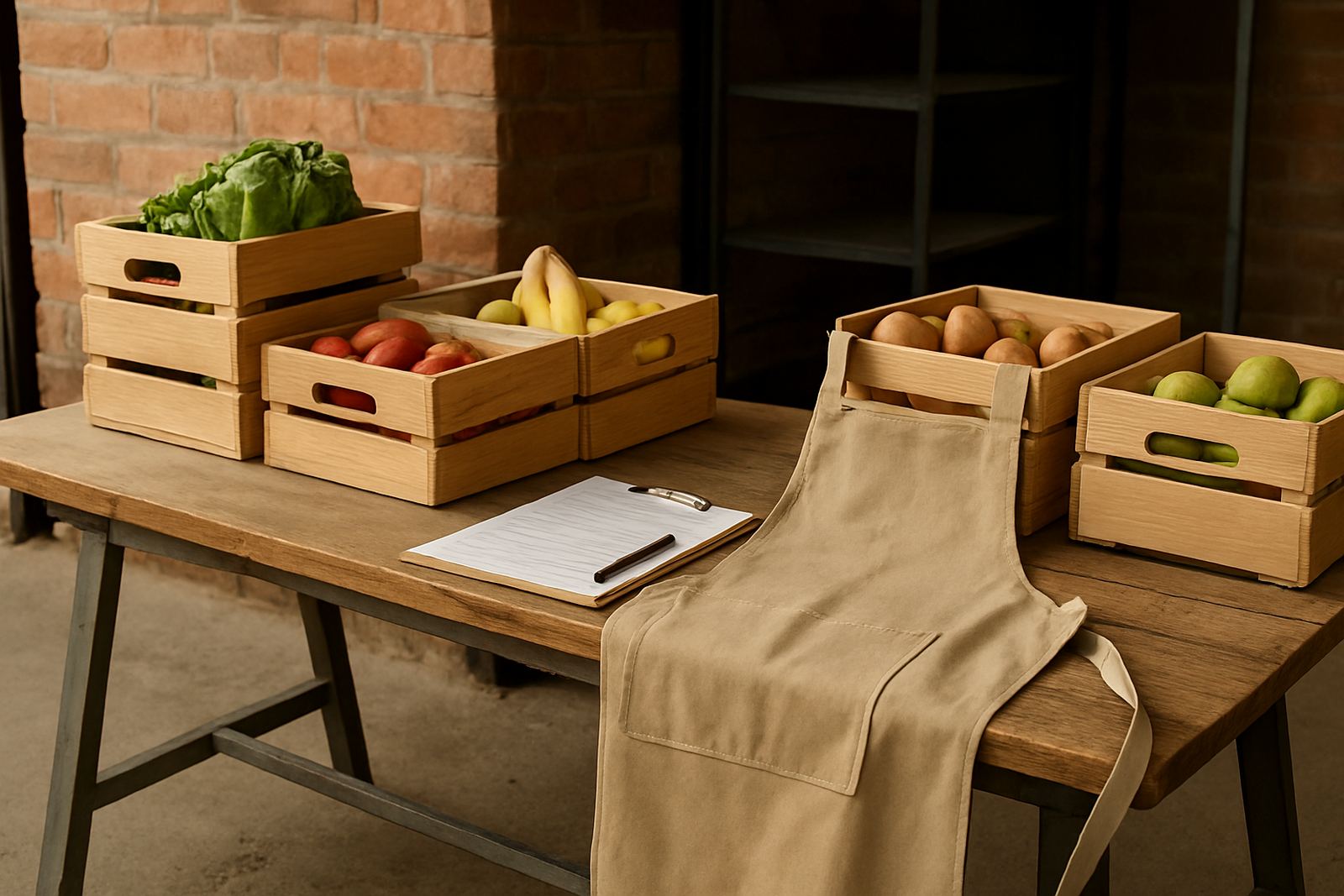
Start with stock that suits the crowd, not just what is on hand
Before any market, decide what you want to be known for that day. A table full of mixed products can look busy, but it often confuses buyers. Pick a focused range with clear price points so people can understand your offer in seconds. If you make candles, for example, bring small testers, medium gift items and one or two premium pieces, rather than every scent you have ever made.
Check stock counts 24 hours before set-up. Confirm what is finished, what is still drying, and what needs repacking. Keep a simple note of unit cost and selling price so you know your margin on the day. If you are travelling from Braamfontein to a market in Pretoria or Durban, pack a little extra stock for top sellers. You do not want to run out of your best item by midday and miss sales because you underpacked.
- Count every item and separate damaged stock immediately.
- Group products by price so you can sell quickly at the table.
- Pack extras of best sellers, plus one backup box for fast restocking.
- Label fragile items clearly, especially if you are moving through traffic or rain.
Build a display that works in strong sun, wind and crowded walkways
A good display is not about looking fancy. It is about helping people see, touch and compare your products without confusion. Use levels, clear signage and enough space for a customer to stand at the table without blocking the next person. If your market is outdoors, think about wind, dust and sudden weather changes. A loose cloth or light stand can shift fast, and once that happens the whole setup feels untidy.
In Johannesburg markets, especially around Braamfontein, people move quickly between stalls. Your best items should sit at eye level. Use one sign with your brand name, one with price ranges and one that explains what makes the products different. Avoid clutter. Too many flyers, too many props and too many colours can make the table harder to read.
- Bring a table cloth that reaches the ground so storage stays hidden.
- Use small weights, clips or tape to keep signs and fabrics in place.
- Keep a clean cloth nearby for dust, fingerprints and spills.
- Place a mirror, tester or sample where people can try the product easily.
Make payment flow quick enough for busy hours and load-shedding
Payment delays can cost you sales. At a market, people often buy on impulse, and that moment passes quickly if they are waiting for change or struggling with signal. Decide in advance which payment methods you will accept and how you will handle each one. If card payments are part of your setup, test the device before you leave home. If you take cash, keep small change ready in a secure pouch and separate it from your float.
Plan for load-shedding even if the venue has backup power. Mobile data can drop, card machines can lose battery life and phones can die faster than expected. Carry a charged power bank, extra charging cable and, if needed, a second device for payment confirmation. One of the easiest ways to lose trust is to stop a sale midway because your system is not ready. A smooth payment flow keeps the mood steady and the queue moving.
- Test your payment device the night before and again before opening.
- Keep a small cash float with notes and coins for quick change.
- Charge all devices fully and pack a power bank with enough capacity.
- Save offline copies of product prices in case your signal drops.
Set your pricing before the first customer asks
Many creators hesitate at the table because they have not settled on prices in advance. That hesitation shows. Customers notice when you keep calculating each item from scratch. Price every product clearly, and if you offer bundles or specials, decide the rules before the market opens. A neat price card can reduce repeated questions and help buyers compare options without pressure.
Think about market pricing as part of your wider business, not only the day’s sales. Cover your materials, labour, transport, packaging and stall fee. Then leave room for growth. If you sell only on what feels affordable to the crowd, you may end the day busy but underpaid. For a creator in Soweto, Cape Town or Nairobi, that balance matters. People will pay when the product is well presented and the value is clear.
Keep a small margin for discounting, but do not make your table a bargain bin just to get attention. Once buyers learn to wait for lower prices, it becomes harder to sell at your real rate later.
Use the crowd as a conversation, not just a transaction
Market days are also research days. Listen to the questions people ask, because those questions tell you what they understand, what they doubt and what they want next. If customers keep asking whether a product lasts through heat, how to care for it, or whether it can be customised, that is useful feedback for your next batch. You can use short, practical language to explain benefits without overselling.
Keep your greeting simple and warm. People respond well when they feel seen, not cornered. In busy spaces, a clear opening line works better than a long pitch. Ask what brought them to the market, what they are shopping for, or whether they are buying for themselves or a gift. That gives you a way to match the product to their need without sounding pushy.
- Prepare three short talking points about each key product.
- Ask one question before you start explaining features.
- Watch which items people pick up first and which ones they ignore.
- Note common objections so you can improve packaging or messaging later.
Pack down like a professional so the next market is easier
Pack-down matters just as much as your morning setup at the market. Pack stock into the same containers you used in the morning, separate sold items from returns and count the float before leaving the venue. If you are tired, it is tempting to throw everything into one bag and sort it later, but that is how stock goes missing and damaged goods get mixed back in. A clean pack-down saves time on the next setup.
After the market, review what sold quickly, what stayed behind and what questions came up again and again. If one product moved well in Braamfontein but not in another area, that tells you something about audience fit. Keep a simple note after each event so the learning is not lost. Over time, those notes help you refine your stock mix, improve your display and plan better routes between Johannesburg, Pretoria, Durban or Cape Town.
Market success is often about preparation doing the quiet work. When the table is clear, the price is clear and the payment flow is ready, you can focus on the part that really matters: meeting people and selling well.