
What practical mentorship looks like in a creator community
Practical mentorship is not about big speeches or vague encouragement. It is about helping a maker, designer or builder solve a real problem, whether that is pricing a product, refining a portfolio, preparing for a showcase or deciding how to present work to a buyer.
In a strong mentorship circle, the conversation is specific. A creator brings a challenge, the mentor listens carefully and then responds with experience that can be applied this week, not sometime later. That might mean checking whether your photos show the full product properly, or helping you decide if your asking price matches materials, labour and delivery costs.
- Clear topic for each session
- Time limits so everyone is heard
- Advice tied to real work, not theory only
- Follow up actions that can be tracked
Respect turns mentorship into real progress
Creators return to mentorship circles when they feel respected. That starts with simple things: sessions that begin on time, a fair turn to speak and a tone that does not make younger or newer members feel small. Good mentorship does not ask people to perform knowledge, it creates room for honest questions.
In Johannesburg, many creators are balancing studio time, client work and transport costs, so a mentor circle must be organised properly. If a meeting runs over by an hour, people miss trains, taxis or another booking. Respecting the clock is not only polite, it makes the space usable.
It also helps when feedback is given in a direct but useful way. A creator can hear that their pricing is too low without being shamed. They can be told a product needs better packaging without being embarrassed in front of the group.
The best circles cover the parts people usually avoid
Many talented creators know how to make good work but struggle with the business side. That is where a mentorship circle becomes worth the trip. The useful sessions are the ones that deal with the gaps that often get ignored at university, in workshops or in solo practice.
These are some areas that often need proper attention:
- Pricing support for products and services
- Market readiness before a launch or showcase
- Portfolio feedback for proposals and funding applications
- Mentor matching based on real needs, not just titles
- Collaboration facilitation so partnerships have structure
When these topics are covered well, a creator leaves with more than motivation. They leave with language, numbers and decisions they can use immediately. That is what makes a circle practical instead of just social.
How a session should feel from start to finish
A well-run mentorship session has a rhythm. It opens with a clear purpose, gives space for introductions, moves into the main topic and ends with action points. Nobody should wonder why they came or what they are meant to do next.
At its best, the format is simple enough to follow and structured enough to keep the energy focused. A mentor can review a creator profile, comment on product styling, then suggest where the work may fit better in the market. Another session may focus on creator photography or event preparation for a showcase in Braamfontein, Rosebank or Soweto.
- Start with one challenge only, not five
- Use examples from real projects
- Record decisions and next steps
- End with a deadline for follow up
That kind of structure matters even more for online sessions. If the agenda is loose, people drift. If it is clear, creators from Pretoria, Cape Town and Nairobi can all participate well without losing the thread.
Why local context matters in South Africa and across the continent
Mentorship is stronger when it understands the realities people are working in. In South Africa, that can mean load-shedding affecting studio time, budget pressure from transport and data costs, or venue rules that affect how a pop-up is run. Along the coast, humidity can affect packaging, printing and product storage. In city centres, municipal rules can shape how long a setup can stay in place and what kind of display is allowed.
Across the continent, the same principle applies. A creator in Durban may need different product readiness advice from someone in Nairobi. A designer in Pretoria may need support that speaks to local buyers, while a maker in Cape Town may be preparing for a market with stricter stall rules. Good mentorship does not flatten these differences, it works with them.
That is why practical circles matter. They do not just celebrate creativity, they help people move through the real conditions around it.
A Braamfontein example of mentorship that works
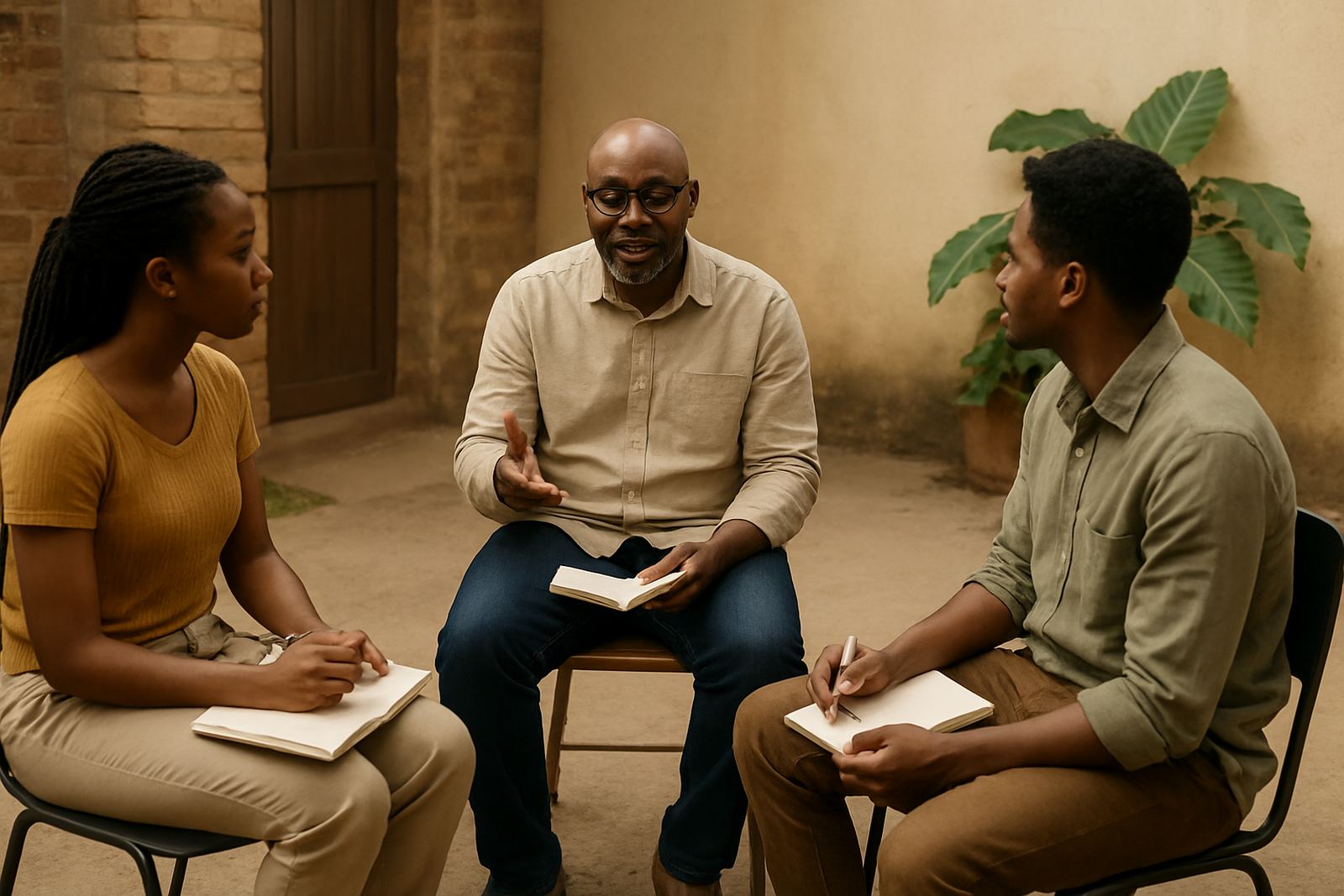
A useful example is a small group session in Braamfontein where creators bring one product each and one goal each. One person may need help tightening their pricing. Another may need portfolio feedback for a collaboration pitch. A third may need guidance on how to approach a retail buyer with cleaner product photography and a short profile.
The mentor does not try to solve everything in one sitting. Instead, each person gets one clear next step. Maybe the packaging needs a stronger label. Maybe the profile needs to explain materials, turnaround times and where the work is made. Maybe the creator should attend a showcase before pitching again. The value is in the clarity.
When the session ends, the group knows what to work on, who they can contact next and which opportunity fits their level right now. That is mentorship worth returning to, because it respects the work and the person doing it.
What makes a circle worth returning to
People keep showing up when they trust that the space will help them move forward. A circle becomes worth returning to when it is consistent, practical and properly facilitated. It should feel like a place where creators can be honest, get useful answers and leave with a better plan than when they arrived.
The strongest circles also make room for community. A warm introduction between members can lead to a partnership, a showcase invitation or a referral. But that only happens when the space is organised well and the relationships are handled with care.
In the end, practical mentorship is not about sounding impressive. It is about helping African creators build stronger work, fairer pricing and better connections, one real conversation at a time.