Why process matters more than a polished finish
People often see the finished object, then miss the thinking, trial runs and small decisions that made it possible. Documenting the process gives your work context, and that context helps buyers, partners and curators understand the value behind the final piece.
For creatives across Johannesburg, Cape Town, Durban and beyond, process notes also help when projects need to be repeated, quoted or explained to funders. A record of your method can show how long something takes, what materials were used, what failed, and what changed before the final result. That information is useful long after the event.
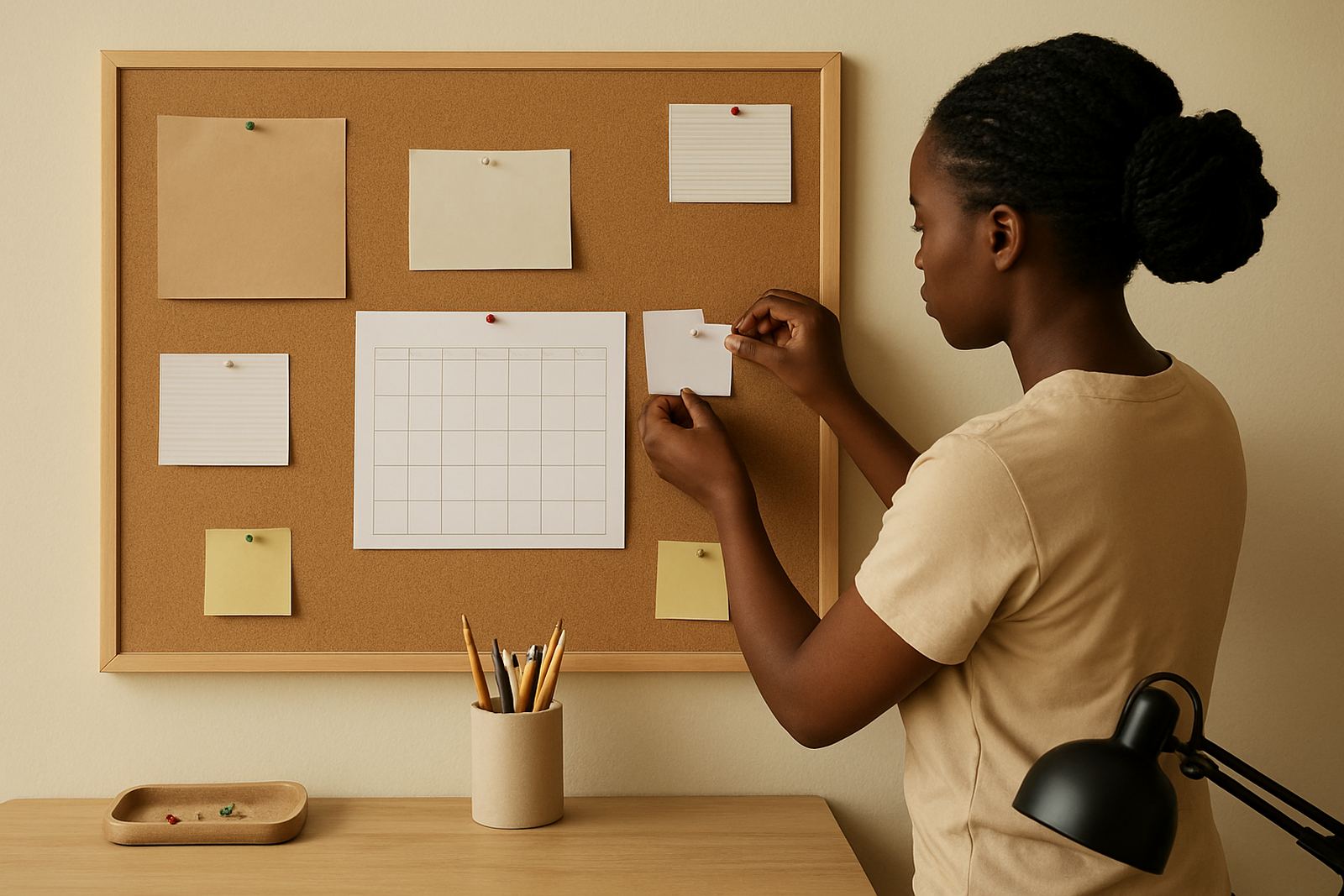
- Capture early sketches, sample tests and prototypes, not only the finished work.
- Note the date, place and purpose of each session.
- Record one short line about what problem you were solving.
Build a simple capture habit into every session
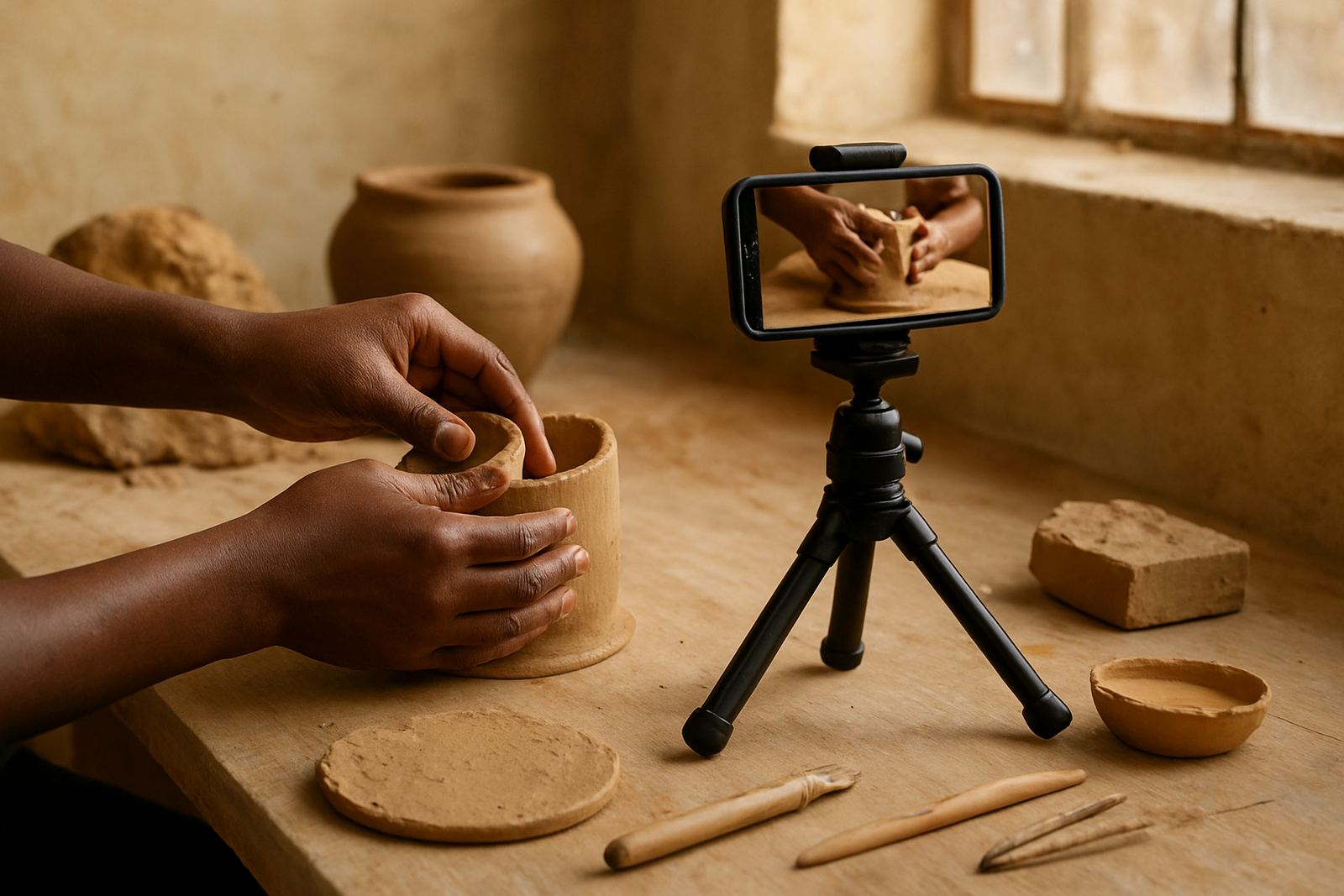
You do not need a full production setup to document properly. A phone, decent light and a habit of taking a few shots at each stage is often enough. If you are working in Braamfontein, for example, where studio time can be split between meetings, loading gear and quick turnarounds, a simple routine saves time later.
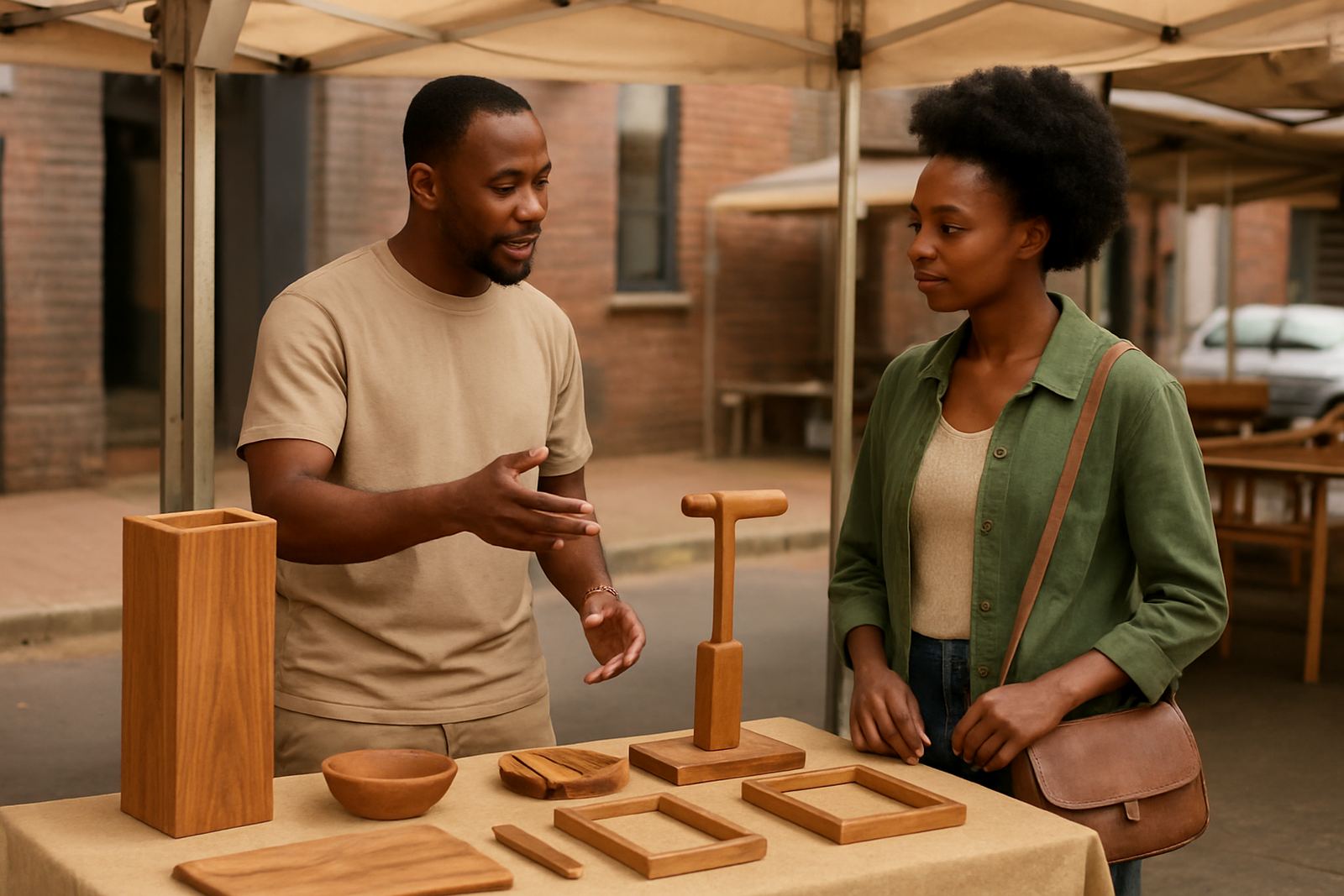
Start by choosing three moments to capture every time: the beginning, the middle and the finished piece. If you are making a product in a workshop, photograph the materials laid out, the hands-on work in progress, and the final item in use. If you are building a digital or visual project, capture planning notes, screen stages and team feedback before the launch.
- Take wide shots and close-up details.
- Use the same corner or background when possible so the series feels connected.
- Keep one folder for raw files and another for selected images.
- Back up files weekly, especially if power cuts interrupt your routine.
Write down the story while it is still fresh
Images are important, but short notes make them much more useful. A simple voice note after a meeting or a quick paragraph at the end of the day can save hours later when you need a caption, proposal or portfolio note. Write while the memory is fresh, because once the job moves on small details are easy to forget.
Useful notes include what inspired the piece, what material choices were made, who contributed ideas, and what the main challenge was. If a collaboration happened across cities, say so. A project linking Pretoria, Durban and Nairobi has a stronger story when the working process is clear. Keep the language plain and honest, not overly polished.
- Use the same format each time: project name, date, place, people involved, key steps.
- Save a short quote from the maker or team member if it adds context.
- Record one line on what you would do differently next time.
Make your archive useful for future promotion
An archive is only helpful if it can be searched and reused. Label files properly, group related material together and keep track of which images can be shared publicly. That way when a showcase, mentorship profile or collaboration request comes in, you are not starting from zero.
A practical archive can support portfolio feedback, creator profile writing and event promotion. It can also help when pricing work, because documented process makes it easier to explain labour, materials and production time. If you have a clear record of how a piece was made, you can speak with more confidence about what it costs and why.
- Use file names that include the project, location and date.
- Mark which pictures are for public use and which are private.
- Keep consent notes when other people appear in photos or videos.
- Store final images, process shots and captions in the same project folder.
A Braamfontein example from a busy collaboration day
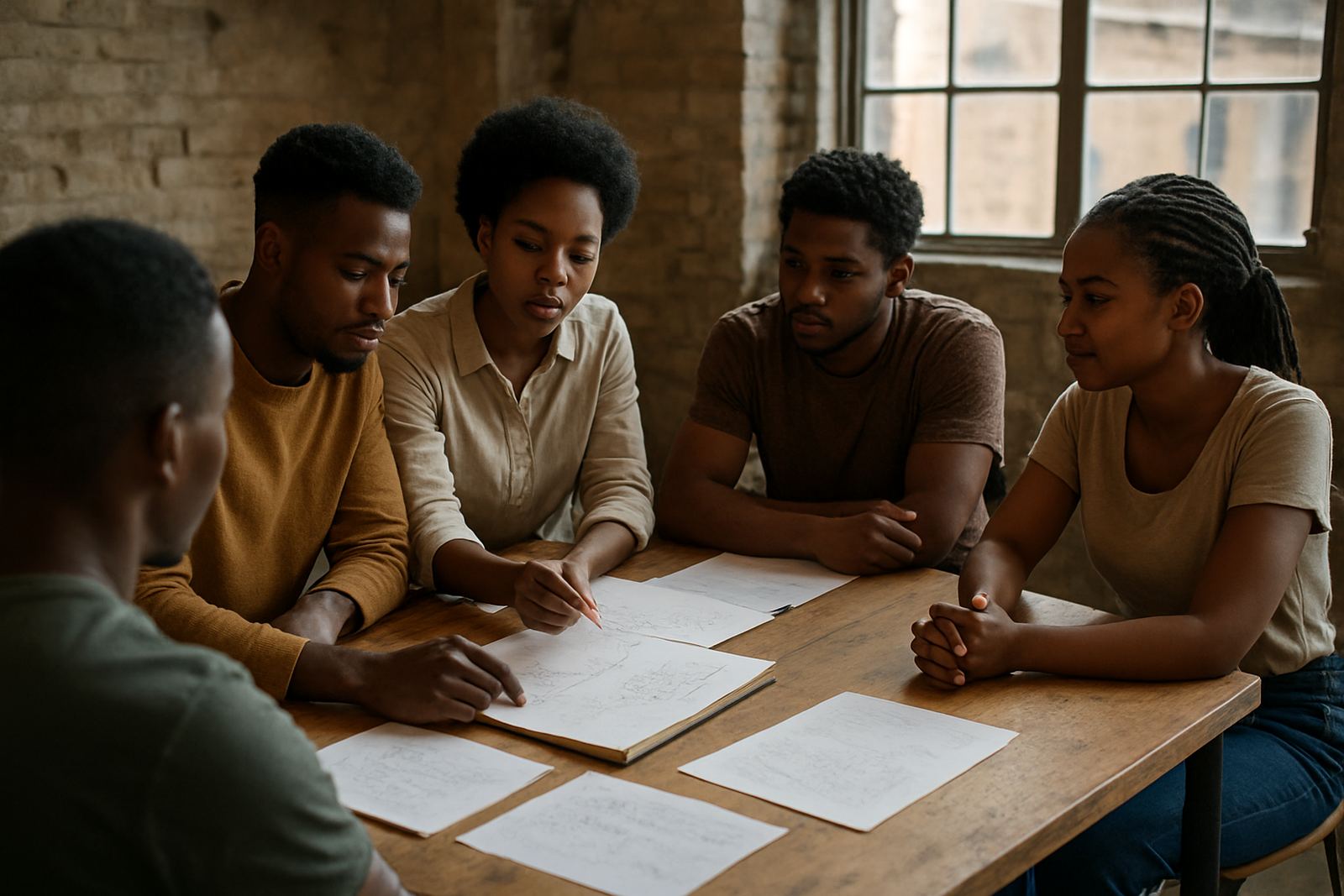
Picture a small team meeting in Braamfontein before a community showcase. One person arrives with product samples, another brings printed mood boards, and a third is checking the venue rules for setup and load-shedding timing. If nobody documents the process, only the final display survives. If someone takes a few photos, notes the sequence and records the decisions, the whole effort becomes reusable.
Those records can later support a showcase recap, a mentorship session or a partnership pitch. They also show the real work behind African-made creative output, which is often missed when people only post finished images. In practical terms, that means the archive becomes a business tool as much as a memory bank.
Keep the process honest, not overproduced
Good documentation does not need to look perfect. In fact, a slightly rough notebook page, a workshop table covered in offcuts or a phone clip of a team discussing options can be more useful than a staged image. What matters is truth, clarity and enough detail to tell the story later.
For creatives building across South Africa and the continent, the goal is to show how work really happens. That includes the false starts, the adjustments and the practical decisions shaped by budget, time and materials. When you keep that record, you are not only telling a better story, you are building a stronger body of work for future opportunities.
- Do not wait for a special moment, document the ordinary steps too.
- Keep your notes simple enough to maintain over months.
- Review your archive after each project and pull out what can be shared next.