A small Braamfontein creators circle forms
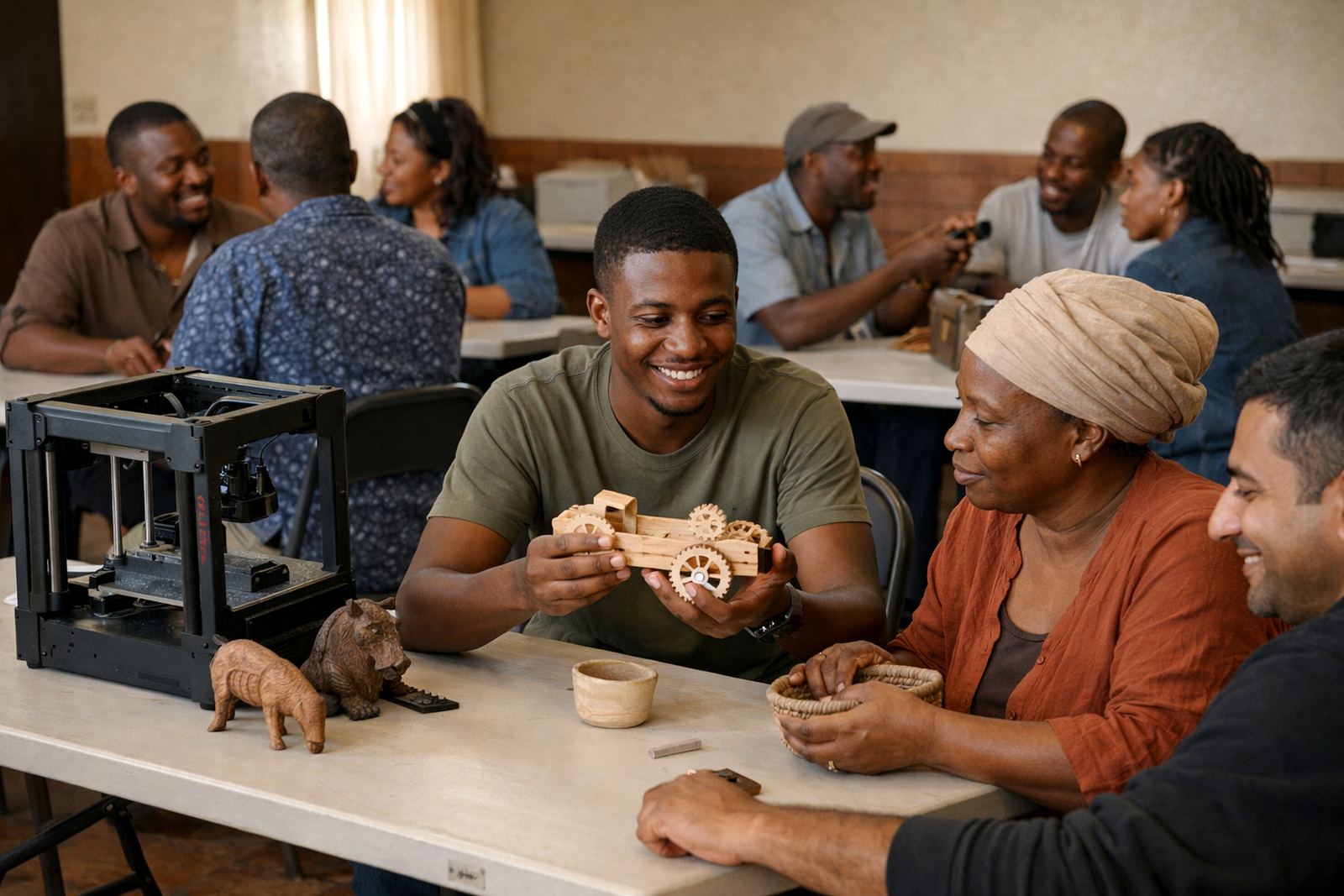
PioCreat Africa is based in Braamfontein, Johannesburg, where makers, designers and builders meet to share work, contacts and practical advice. Gatherings centre on what people are making, how they work and what others can learn from the process.
From the start, the work was shaped by real needs. Creatives were asking how to price properly, how to present work well, how to find honest feedback, and how to meet people outside their own circle. Those early conversations became the base for the community's approach, which has stayed practical ever since. It was never about sounding important, it was about helping people move forward.
Meetups, first mentors and stronger local links
Over time, the gatherings had settled into regular meetups in Braamfontein and nearby areas. More people started attending, including product designers, digital creators and workshop teams from across Johannesburg. The focus shifted from introductions to working sessions, where members could compare pricing methods, test ideas and get guidance on how to present their work to buyers and partners.
Later, mentorship became a more formal part of the offering. Experienced practitioners were invited into conversations with younger members and first-time founders, creating space for honest guidance on business basics, market readiness and production choices. The community also began building partnerships with spaces and organisers that could host small exhibitions and showcase moments.
- Regular creator meetups in Braamfontein
- Early mentor circles for product and digital makers
- Initial partnerships with local venues and community groups
From local sessions to a wider African network
Over the following years, PioCreat Africa grew beyond Johannesburg and started connecting with creatives in Pretoria, Cape Town and Durban, as well as peers in Nairobi. The conversations changed too. Members were not only looking for feedback, they were looking for collaborators, curators and fellow builders who understood the pressure of doing creative work in African cities.
This period is when the network began to feel truly pan-African. Online sessions made it possible to include people who could not travel, while in-person meetups kept the energy grounded in face to face exchange. The team also refined the way members were introduced to one another, making it easier for a designer in Pretoria to meet a maker in Cape Town or a creator in Nairobi with the right kind of project fit.
The result was a stronger flow of collaboration. Members began sharing suppliers, testing product ideas together and speaking more openly about how to get work ready for public viewing. It also became clear that the community needed structure as it expanded, so the team put more care into programme planning, event flow and follow up after each session.
Online sessions kept the community active
More recently, like many communities, PioCreat Africa had to adapt quickly. In person gatherings became harder to run, so the team moved more of the work online and kept the momentum going through virtual meetups, mentorship calls and collaboration sessions. That change made the network more accessible to members in different cities and countries, including those who could not travel to Johannesburg.
The shift also brought a new discipline to the way sessions were run. Clear schedules, tighter content and stronger facilitation became important, since people were joining from different places and working around load shedding, unstable data and busy production days. The team learned how to keep discussions practical and focused, without losing the warmth that members valued.
- Online session hosting for members across the continent
- Structured mentorship calls and portfolio feedback
- Better digital community management for remote participation
Showcases, styling and better market readiness
Over those years, the organisation began putting more emphasis on public-facing opportunities. Showcases became a bigger part of the calendar, giving members a place to present products, portfolios and creative services to new audiences. Behind each event was careful coordination: curation, creator photography, product styling and practical support to make sure the work was presented properly.
Market readiness also came into sharper focus during this period. Members wanted to know how to move from concept to sale, how to price with confidence and how to package their work for buyers, sponsors and collaborators. That led to more direct support around pricing, profile writing and partner introductions. It was a useful step, because good work alone is not always enough if the presentation is off or the message is unclear.
The team also expanded its regional footprint through chapter activity, helping the community feel more present in Braamfontein, Rosebank, Newtown, Soweto and Pretoria, while maintaining links into Durban, Cape Town and Nairobi. The model remained personal, even as the network grew. Members still wanted to feel seen, not processed.
A stronger pan-African platform with local roots
Today, PioCreat Africa operates as a pan-African creators community with a home base in Braamfontein and active connections across South Africa and beyond. The network continues to run meetups, showcases, mentorship circles and collaboration programmes that help makers find partners, sharpen their direction and place African-made work in front of the right people.
The team now includes programme, partnerships, showcase, mentorship, digital community and operations roles, giving the organisation the capacity to support more people without losing the personal touch. That balance matters. Creatives need structure, but they also need space to speak openly, ask questions and find the kind of support that actually helps on the ground.
What has stayed the same is the spirit behind the work. PioCreat Africa still values practical community, honest exchange and useful connections. The circle is bigger now, with members across Cape Town, Durban, Pretoria, Nairobi and online sessions, but the idea remains simple: when African creators build together, they move further. And that has been true from the start, even if the scale is much larger now.