Start with the work, not the personality
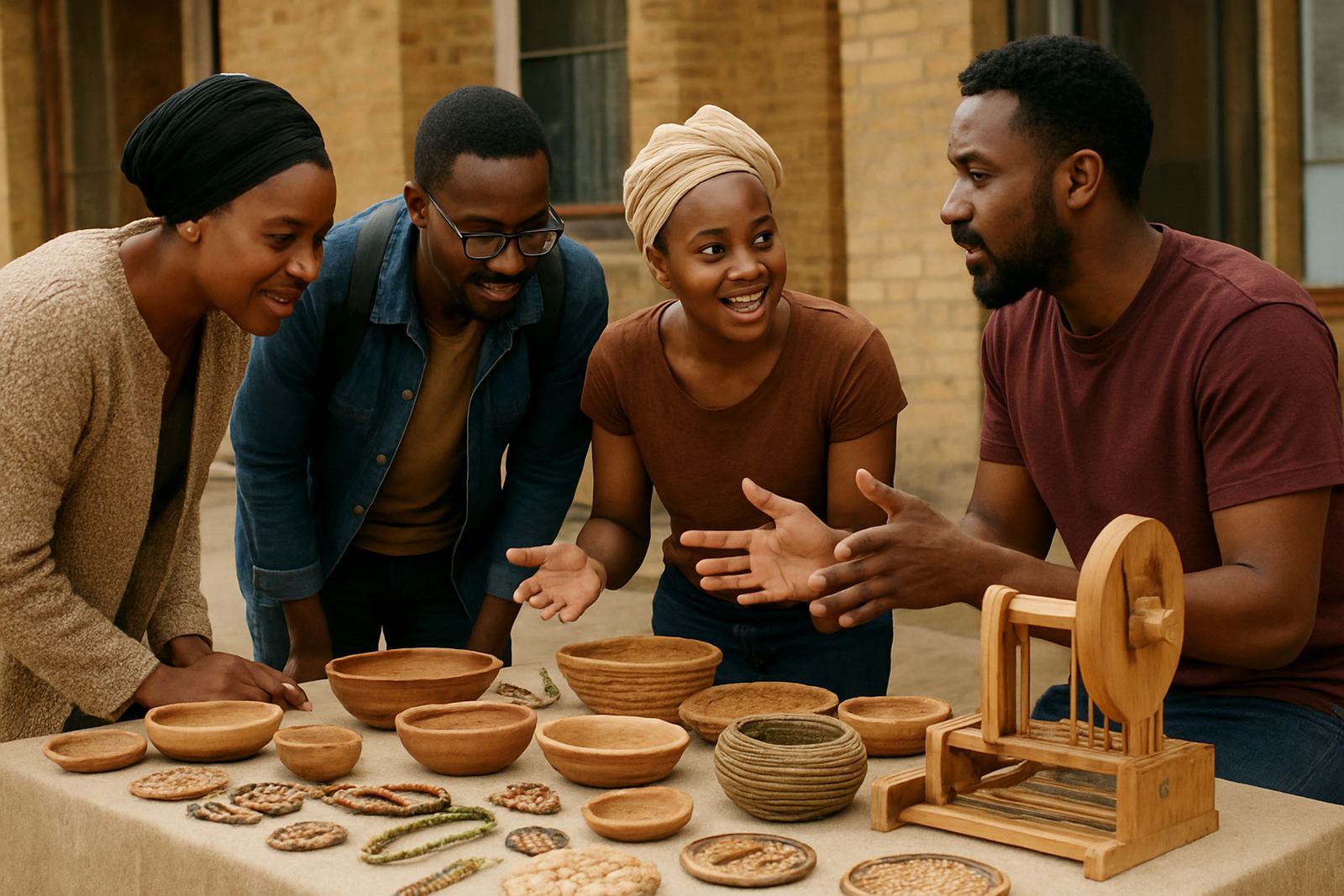
Before you invite someone into a project, be clear about what the work needs. A good collaboration is not just two people who get on well. It is a mix of skills, timing, standards and follow-through. If you need product photos, pricing advice and a clean launch plan, look for people who can actually help with those steps, not just people with a big following.
In Johannesburg, many creator projects stall because everyone agrees in the first meeting but no one agrees on the practical details. Decide what the outcome should be, who owns which part, and what a finished version looks like. That keeps the collaboration from becoming vague after the first coffee.
- Define the result you want in plain language
- List the skills you already have and the gaps you need to fill
- Agree on a rough timeline before you start
- Check whether the project needs local presence, travel or online input
Check pace before you check promise
Some people move fast, some people need time. Neither is wrong, but mismatched pace can break a good idea. If you are preparing for a showcase in Braamfontein next week, you need a partner whose working pace fits the deadline. If the project is a mentorship series over three months, a slower and more reflective rhythm may work better.
Ask how they handle deadlines, revisions and approvals. Do they prefer voice notes, a shared document or a quick call? Do they work evenings, weekdays or only during set hours? This matters when you are juggling other jobs, transport delays or load-shedding that shifts your day around. A good match feels practical, not forced.
- Ask what their turnaround time usually looks like
- Find out how they handle late changes
- Check whether they are comfortable with early mornings or evening sessions
- Be honest about your own availability too
Values show up in small decisions
Shared values are not just about big statements. They show up in how people speak to each other, how they handle credit and how they deal with money. If someone talks over others in a group call, ignores boundaries or changes the plan without discussion, that will probably happen again later. Respect is easiest to spot early.
For African creators working across cities, values also include how you treat local craft, pricing and representation. If a collaborator wants to copy your style without giving credit, or push the work into a market it is not ready for, that is a warning sign. Good partners care about the work and the people behind it. Trust is built through small consistent actions, not slogans.
- Notice whether they listen properly before replying
- Watch how they handle shared credit and public recognition
- Ask how they approach pricing and payment terms
- Look for respect in both online chats and in person meetings
Use a simple test before you commit
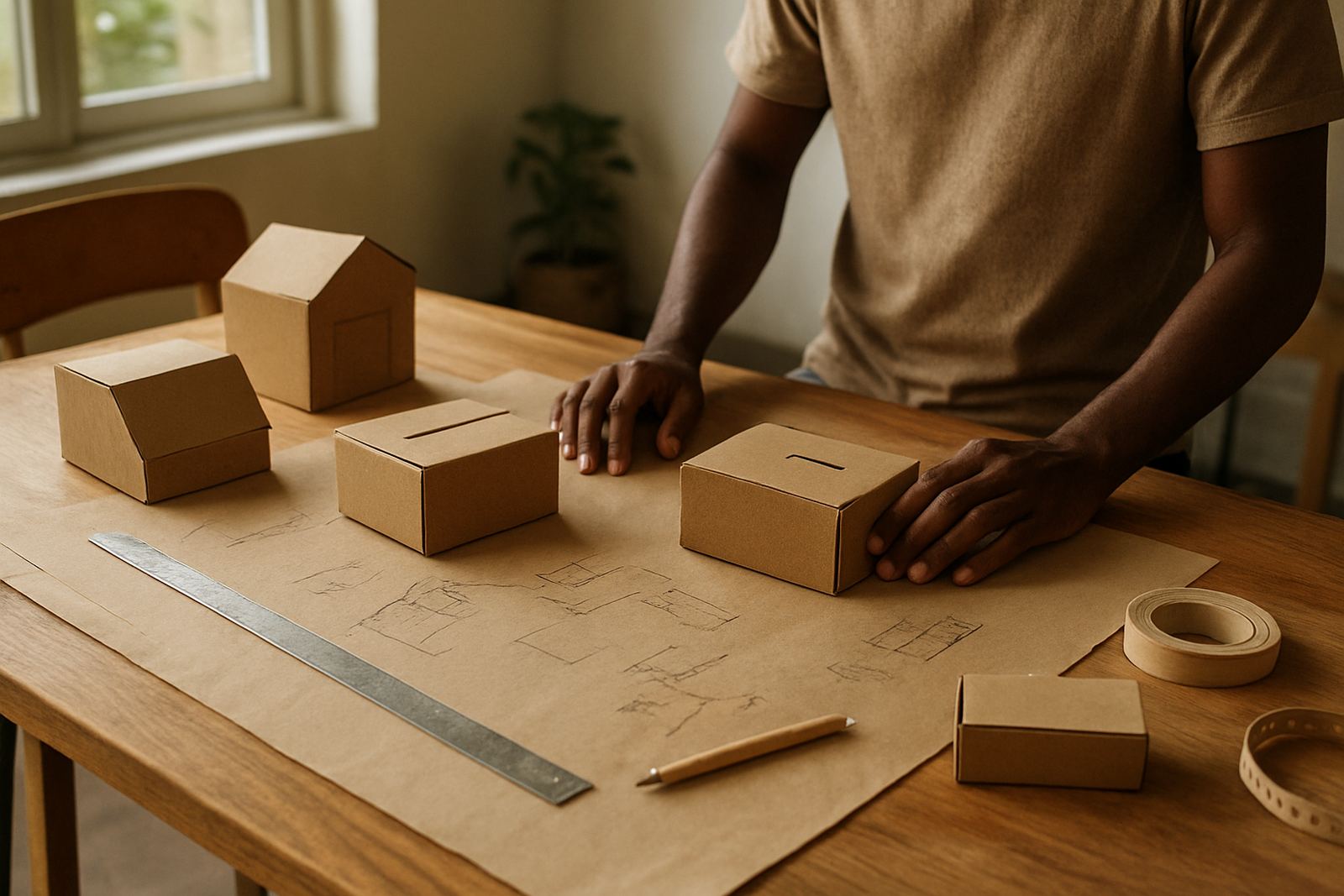
Before a full project, test the relationship on a smaller task. This could be a short content shoot, a portfolio review, one event or a single online session. A small test shows you how the person works when things are slightly messy, which is when the real picture appears.
If the test goes well, you can build from there. If it does not, you have saved yourself from a bigger problem. Some people are excellent at ideas but weak on delivery. Others are reliable but not a strong fit for your audience. A test helps you see that without drama.
- Start with one task, not a full campaign
- Review how they communicate when something changes
- See whether they deliver on time and with care
- Use the test to check chemistry, not just output
Local example from Braamfontein and beyond
A designer in Braamfontein may want to launch a small homeware line and needs a photographer, a product stylist and someone who can help with pricing. The best partner is not always the most famous person in the room. It may be the person who understands municipal market rules, can work with a tight budget and knows how to prepare for a weekend showcase without last-minute panic.
Now compare that with a collaboration between a Cape Town creator and a Nairobi partner for an online session. Time zones, internet stability and communication habits all matter. A strong match here means both sides know the schedule, the file formats and the final use of the content. Practical planning keeps the relationship steady and it's much easier to repeat later.
That is why many creators benefit from communities that help with mentor matching, collaboration facilitation and creator profile writing. The right introduction can save weeks of guesswork.
What to agree before you say yes
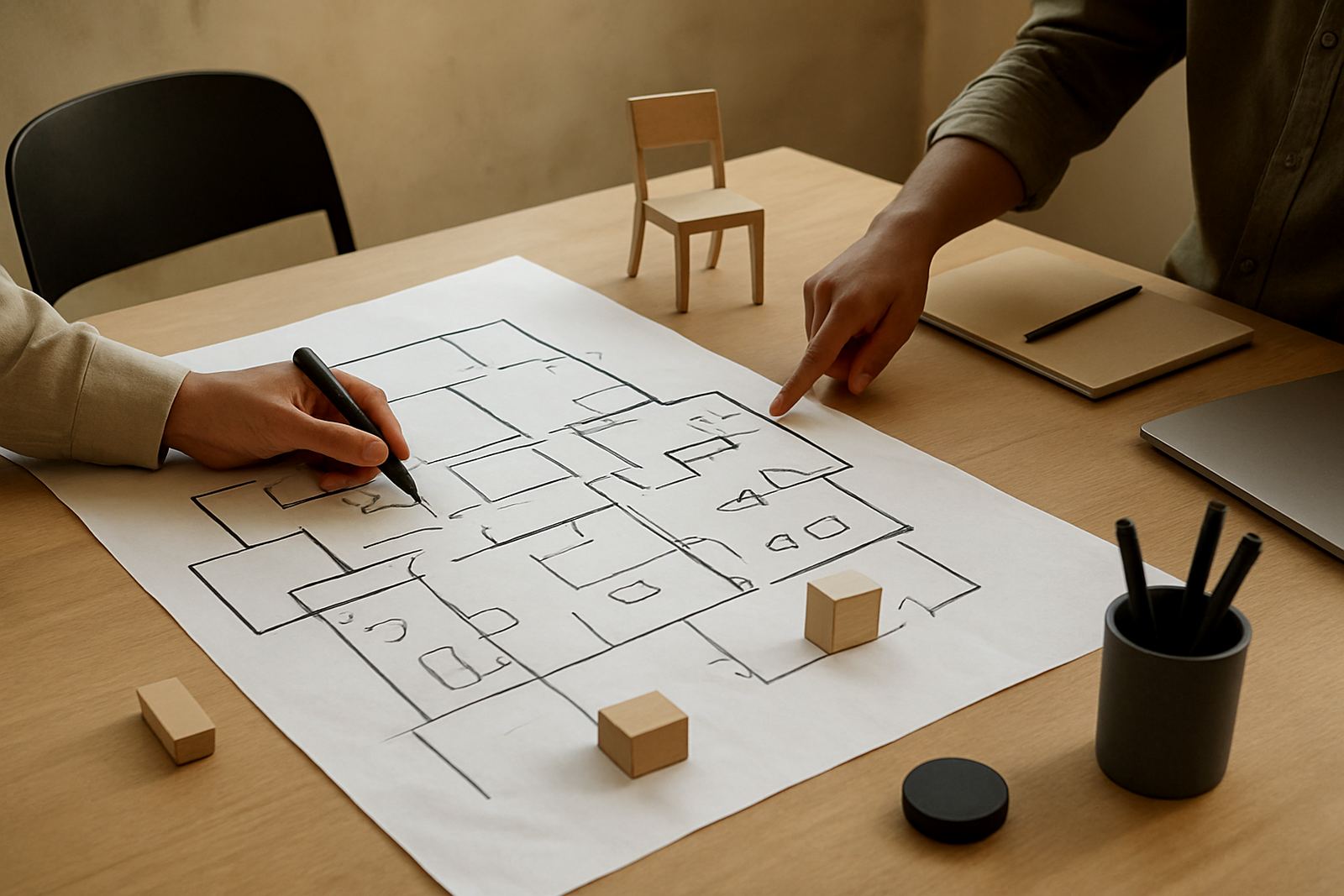
Once you have found someone with the right mix of skill and attitude, write down the basics before work starts. Keep it simple. You do not need a long legal document for every collaboration, but you do need clarity on money, ownership and timing. That keeps awkward conversations out of the middle of the project.
- What each person is responsible for
- How payment, costs and reimbursements will work
- Who owns the final files, photos or content
- How credit will be shown on social media or at events
- What happens if someone needs to withdraw
If you are working across provinces or countries, include the practical details too. Clarify travel, remote attendance, file sharing and the exact date each task must be done. A clear agreement protects the relationship and makes it easier to build trust over time.