Why a first model matters more than a perfect plan
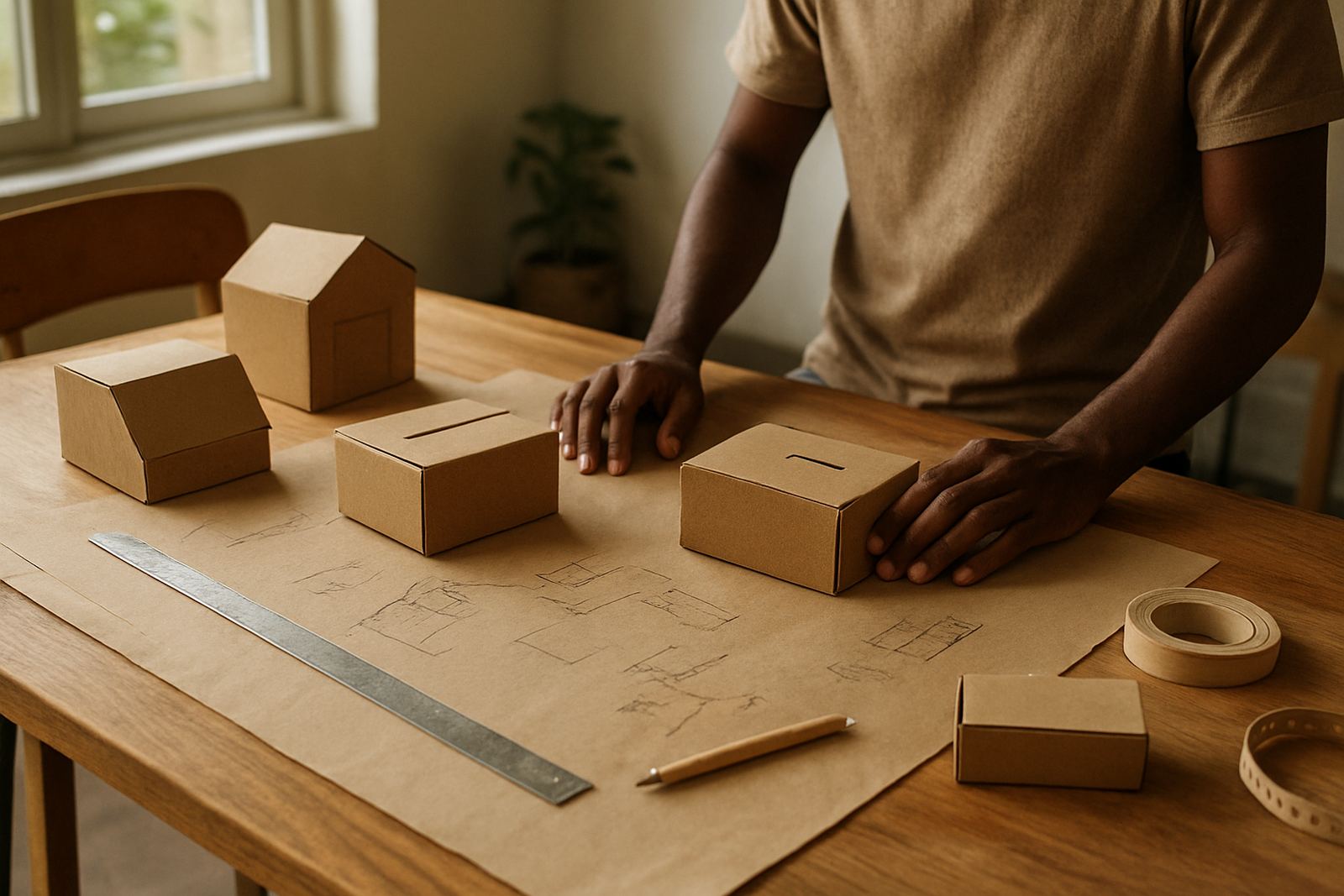
When a product stays on paper for too long, the team starts guessing. A prototype turns ideas into something you can hold, test, move around and discuss with real people. That matters whether you are shaping a physical product, planning an event format or refining a creator service offer.
The main value is speed. A simple model can show what a full proposal hides: the size is off, the packaging is awkward, the photo angle does not work, or the flow feels clumsy. In other words, you find the problems when they are still cheap to fix.
For creators in Johannesburg and across the country, this is especially useful where budgets are tight and timelines are short. If you are preparing for a showcase in Braamfontein or a market in Pretoria, one test version can tell you more than three long meetings. It also helps groups make decisions with facts instead of opinions.
What a prototype should prove before you spend more
A prototype does not need to look finished. It needs to prove the right things. The aim is to answer a few specific questions before you commit money to full production.
- Will people understand what it is for in the first 10 seconds?
- Does the size, weight or layout make sense in real use?
- Can someone assemble, carry or operate it without confusion?
- Do the materials hold up under normal handling?
- Is the price likely to work for the market you want?
If those answers are weak, the prototype has done its job. It saved you from producing twenty, fifty or a hundred units that all carry the same mistake. That is the kind of lesson that hurts less when it happens on the workbench instead of after launch.
A good rule is to prototype the risky parts first. If a design depends on a special closure, a complex fold, a new finish or a unique user journey, test that detail on its own before building the whole thing.
How feedback becomes better when people can touch the work
Feedback on a finished pitch deck or polished image often stays polite and vague. People say it looks good, even when they are unsure. A prototype changes that. Once someone can hold it, open it, compare it or watch it in action, the response becomes more honest and useful.
This is why early models improve mentorship sessions, showcase reviews and collaboration calls. A mentor can point to one fold, one label or one hand position and explain exactly what needs attention. The maker is not defending an abstract idea, they are responding to evidence.
For community groups, this is a practical advantage too. A prototype makes it easier to match the right collaborator. A packaging specialist notices one issue, a product photographer notices another, and a market trader may spot a pricing concern that studio teams miss completely.
- Show the prototype in natural light and normal use conditions.
- Ask one question at a time so the feedback stays clear.
- Note where people hesitate, not only what they say.
- Record the cost of each change, even small ones.
That last point matters because feedback is only useful if it leads to decisions. If every change pushes the project beyond budget, you need a different answer, not more praise.
A Braamfontein example: testing before a city showcase
Picture a small team in Braamfontein preparing a set of portable display stands for a creator showcase. They want something light enough for one person to carry, sturdy enough for repeated use and neat enough for photo and video coverage. On paper, it all sounds fine. Once they build the first model, they discover the base is too narrow and the stand wobbles on uneven pavement near the venue entrance.
That is not failure, it is useful information. The team can widen the base, adjust the weight and test it again before the event. They also notice the finish reflects too much flash during indoor photos, so they change the surface before the showcase day. One early model saves the stress of last minute repairs and awkward presentations.
This kind of testing fits the pace of South African creative work. Power cuts, weather shifts and transport delays already create pressure, so a prototype that catches problems early is worth its weight. It keeps the team from spending extra money on emergency printing, rushed rework or replacement parts after a venue already been booked.
For creators working across Johannesburg, Cape Town, Durban, Pretoria and Nairobi, the same idea applies. Local conditions are different, and a model that works in one place may need changes in another. Humidity near the coast, rough road transport and municipal venue rules can all affect the final result.
Using prototypes to sharpen pricing and market readiness
Many makers think prototypes are only about form, but they also help with business decisions. Once you have a working sample, you can estimate material use, labour time, packing needs and likely selling price more accurately. That makes pricing support far more grounded.
A prototype can show whether your product belongs in a premium space, a mid market space or a volume driven one. It can also reveal where the cost is hiding. Maybe the finish takes too long, maybe the packaging is over engineered, or maybe the product looks simple but needs more assembly than expected.
- Track the time spent on each step from first cut to final assembly.
- Test how the item photographs for listings, portfolios and showcase sheets.
- Check if the product survives transport in a car, courier bag or storage crate.
- Compare what you thought the price should be with what the numbers allow.
When teams do this early, they avoid the painful moment where the finished item is beautiful but impossible to sell at a fair price. It is better to find that out while you still have room to adjust.
Build small, learn fast, then improve with purpose
The strongest prototypes are not the most impressive ones. They are the ones that teach you something useful, quickly. A simple mockup, a trial run or a sample batch can show whether the idea deserves more time and money.
That approach also helps teams work better together. One person handles visuals, another checks function, another watches the numbers. With a prototype in front of them, the conversation becomes practical and people stop talking past each other. It is easier to agree on what needs fixing when everyone is looking at the same object.
In the end, the value of prototypes is not only that they save time. They sharpen thinking, improve feedback and protect resources. They help African makers move from intention to action with less guesswork and more clarity. And once a team sees that in practice, it is hard to go back to building blind.