








Choose the right guide for where you are now
Start with the guide that matches your next step, not the one that sounds most advanced. If you are preparing for a first meetup, go for community participation and networking. If you are ready to present work, choose portfolio, styling or showcase support. If your focus is income, pricing and market readiness will help you get moving.
The idea is simple: pick one area, apply it, then come back for the next. That is usually better than trying to fix everything at once, especially when you are balancing client work, school or a side project and still trying to show up consistently.
- New to the network? Start with participation and chapter etiquette.
- Ready to present work? Use portfolio and profile guidance first.
- Looking for opportunities? Read the collaboration and partnerships guides.
Guides for showing your work clearly
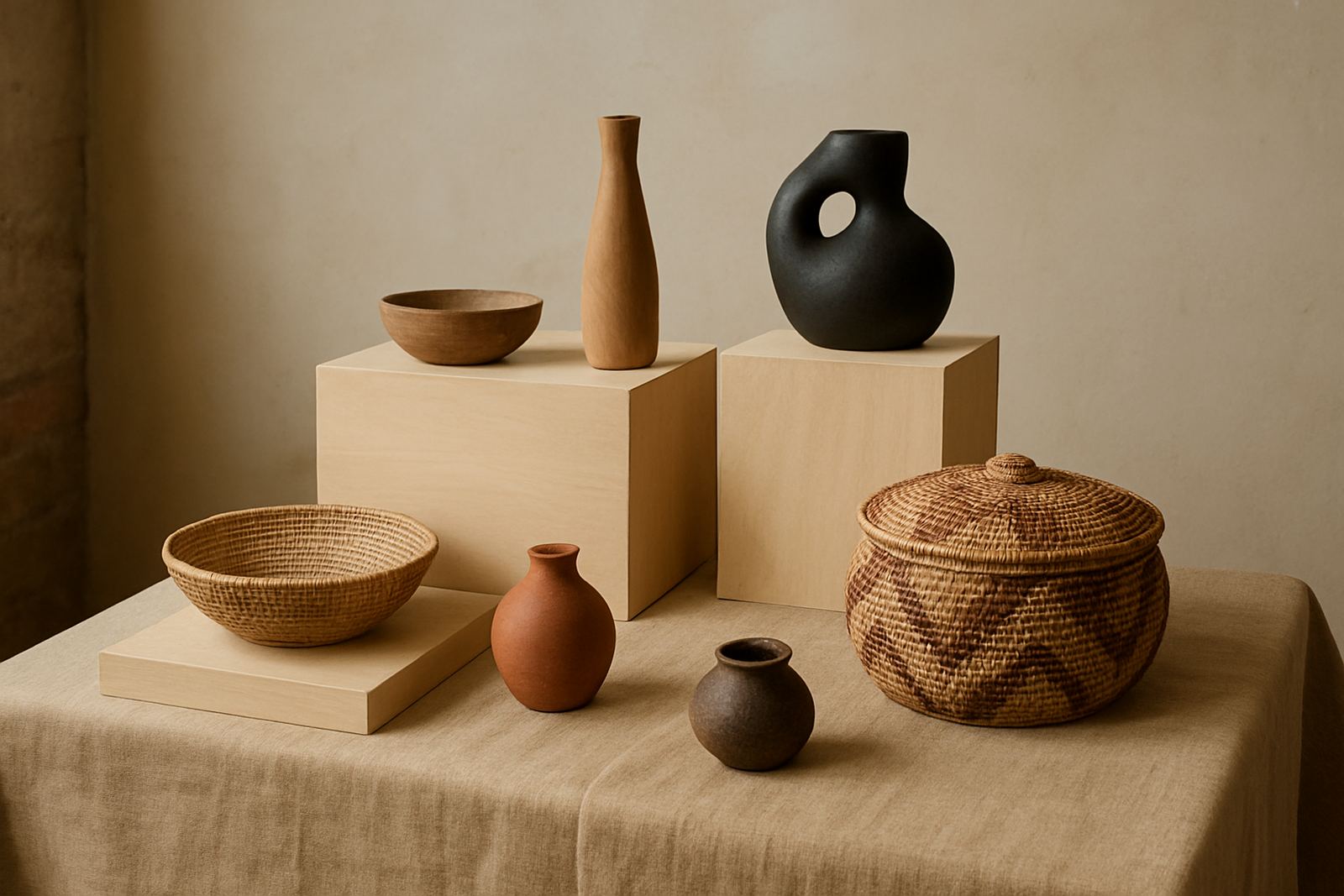
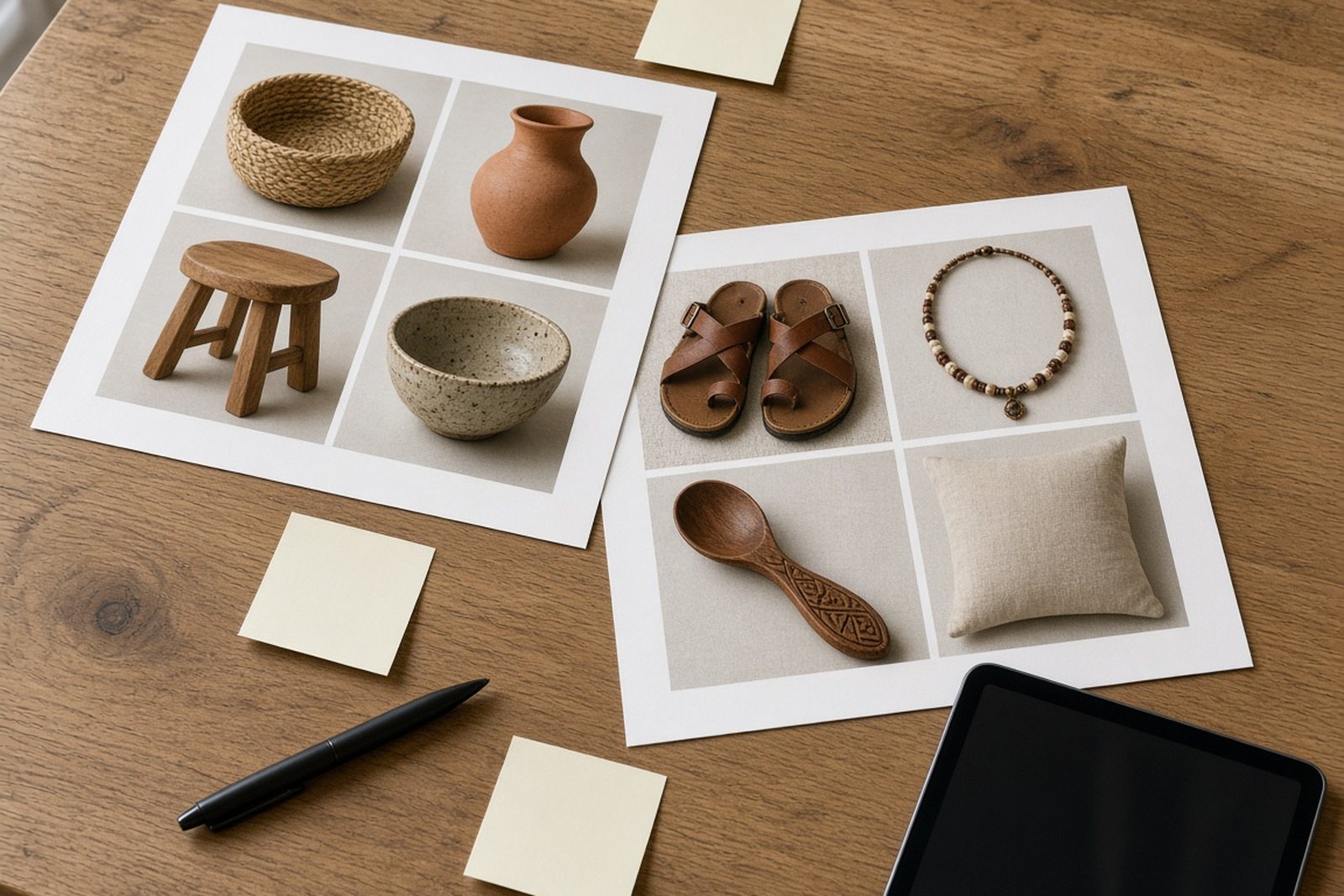
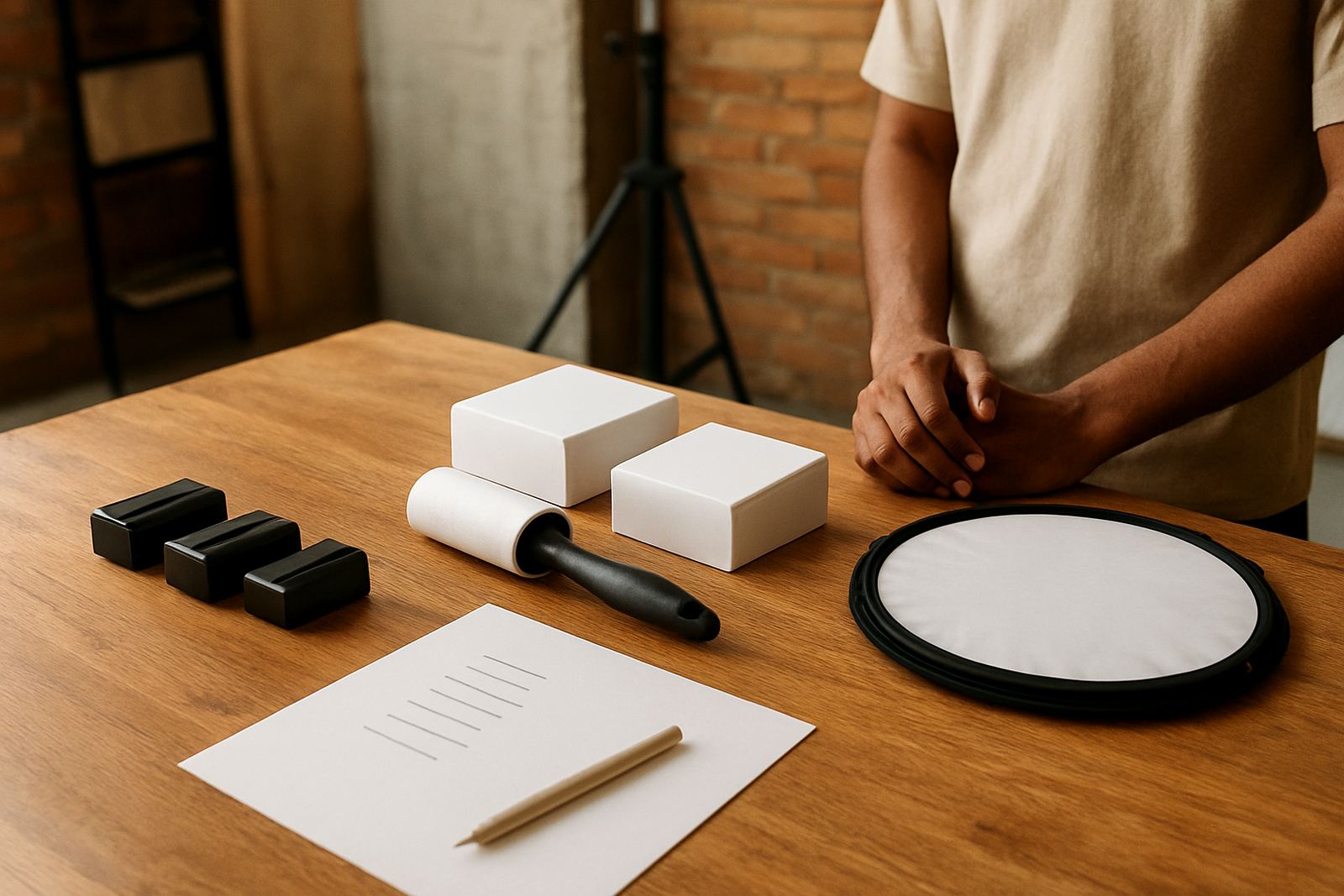
When people see your work for the first time, they need a clear picture in a few seconds. That means clean visuals, a direct description and enough context to understand what makes the work useful. Creator Guides cover creator profile writing, creator photography, product styling and showcase preparation so your work is easier to read, not just nicer to look at.
In practical terms, that can mean checking lighting before a photo shoot, writing short notes on materials, or explaining who the work is for. A strong presentation does not need big words, only honest detail and good structure.
- Use creator profile writing to explain your practice in plain language.
- Use photography and styling guidance to improve the first impression.
- Use showcase curation advice to decide what belongs in a public setting.
Support for pricing, readiness and making sales easier
Many creators know how to make the work but feel less certain when it is time to price it or present it to a buyer. Creator Guides help with pricing support, market readiness and basic decision making around offers, turnaround times and custom requests. The goal is not to push you into selling fast, it is to help you sell with less confusion.
You will find advice on comparing your material costs, considering time spent, and checking whether your product or service fits the space where it will be shared. For members working across Johannesburg, Pretoria, Durban or Cape Town, this is useful when markets, pop-ups and collaborations all ask for different pricing and packaging. It also helps when power cuts or transport delays affect production time and delivery plans.
- Set a price that covers materials, labour and admin time.
- Check whether your work is ready for a public audience or needs more testing.
- Use simple terms when explaining what is included and what is not.
Mentorship and collaboration without confusion
Good collaboration can open doors, but only when expectations are clear from the beginning. These guides support mentor matching, collaboration facilitation and community partnerships so members can find the right people to work with and avoid unnecessary misunderstandings.
We look at how to ask for help properly, how to set a first meeting and how to keep records of what was agreed. A short written summary after a call can save time for everyone. It also helps when working across cities or time zones, especially with online sessions and cross-border teams. Small issue? If people are not clear on roles, projects can drift fast.
- Know what you want before you ask for a mentor match.
- Confirm tasks, deadlines and who is responsible for what.
- Use follow-up notes so the next step is not left to memory.
How to get more from chapter life and local events
Each chapter has its own rhythm, from Braamfontein and Rosebank to Soweto, Newtown, Pretoria, Durban, Cape Town and Nairobi. The local guides help you take part in events with confidence, whether you are attending a meetup, joining a showcase or introducing yourself for the first time.
There is practical advice on arriving prepared, asking useful questions and making sure your materials are ready to share. The point is to help members participate in a way that feels natural, not forced. If you only come for the talk and never follow up, you lose half the value of the room.
- Bring a short introduction and one clear goal for the event.
- Keep a simple digital or printed summary of your work close by.
- Follow up with people you meet while the conversation is still fresh.
Use the guides as a working tool, not a reading list
These guides are meant to be used and reused. Some members will start with one section and stay there for a while. Others will move through several guides in a month as their practice changes. That is normal. The important thing is to treat the content as a working tool for real creative life, not just something to browse once and forget.
As you go, notice what changes in your confidence, your presentation and your ability to connect with others. The right guide should make the next step feel clearer, whether you are building a portfolio, preparing for a showcase or looking for a collaboration that fits your pace.