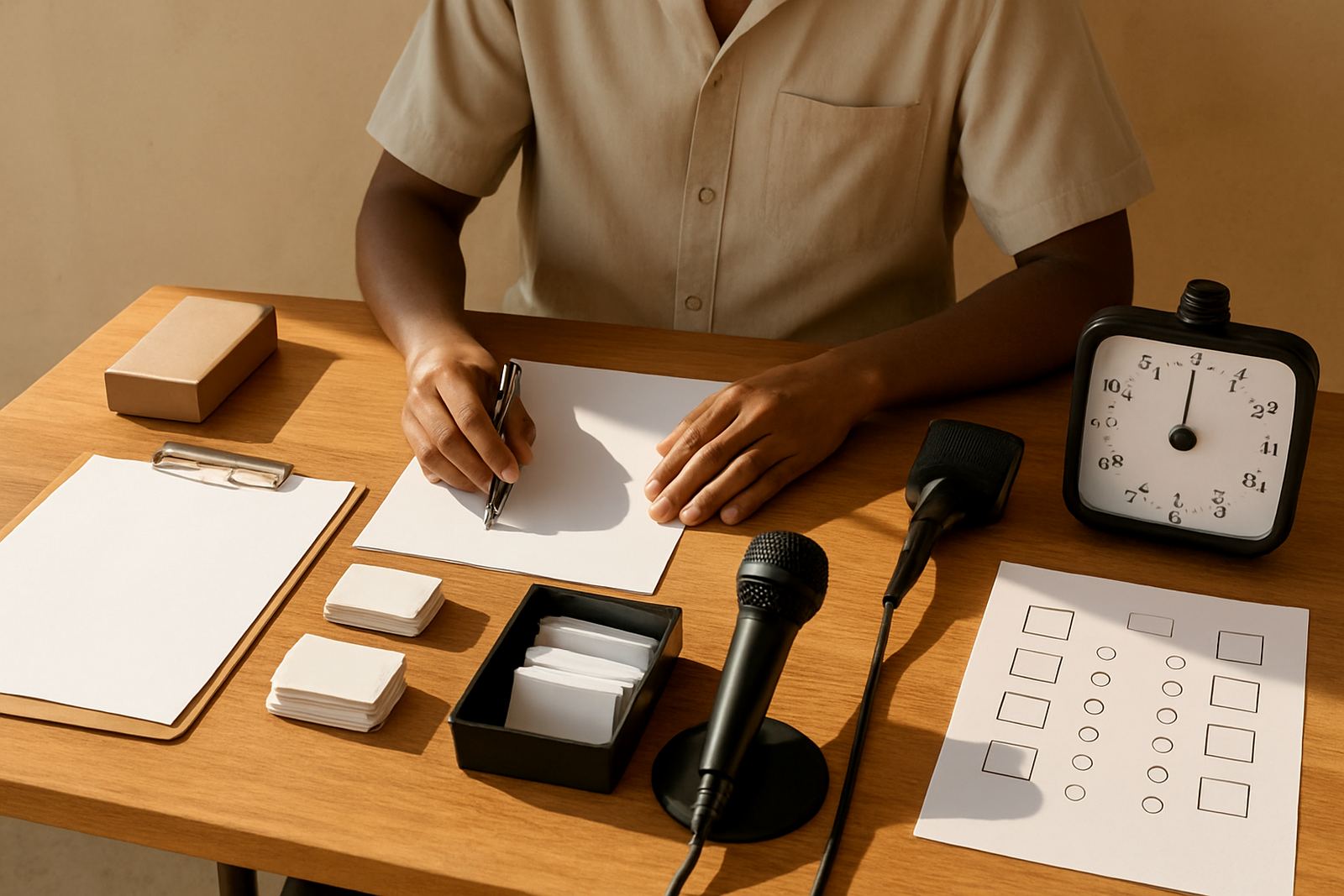
1. Set one clear reason for going
Before you pack a notebook or charge your phone, decide what you want from the meetup. You may be there to find a mentor, test a product idea, meet collaborators, or learn how other creators price their work. One clear goal keeps you from drifting through the room and helps you choose the right conversations.
Write your goal in one sentence. For example: I want to meet two people in my field and get one honest opinion on my portfolio. That kind of focus is simple, but it works. If you are coming from Braamfontein, Pretoria, Durban, Cape Town or online, the same rule applies: know why you are there before the first handshake.
- Choose one main goal
- Choose one backup goal
- Decide what a useful outcome looks like
- Keep your note short enough to remember
2. Pack the right items, not everything
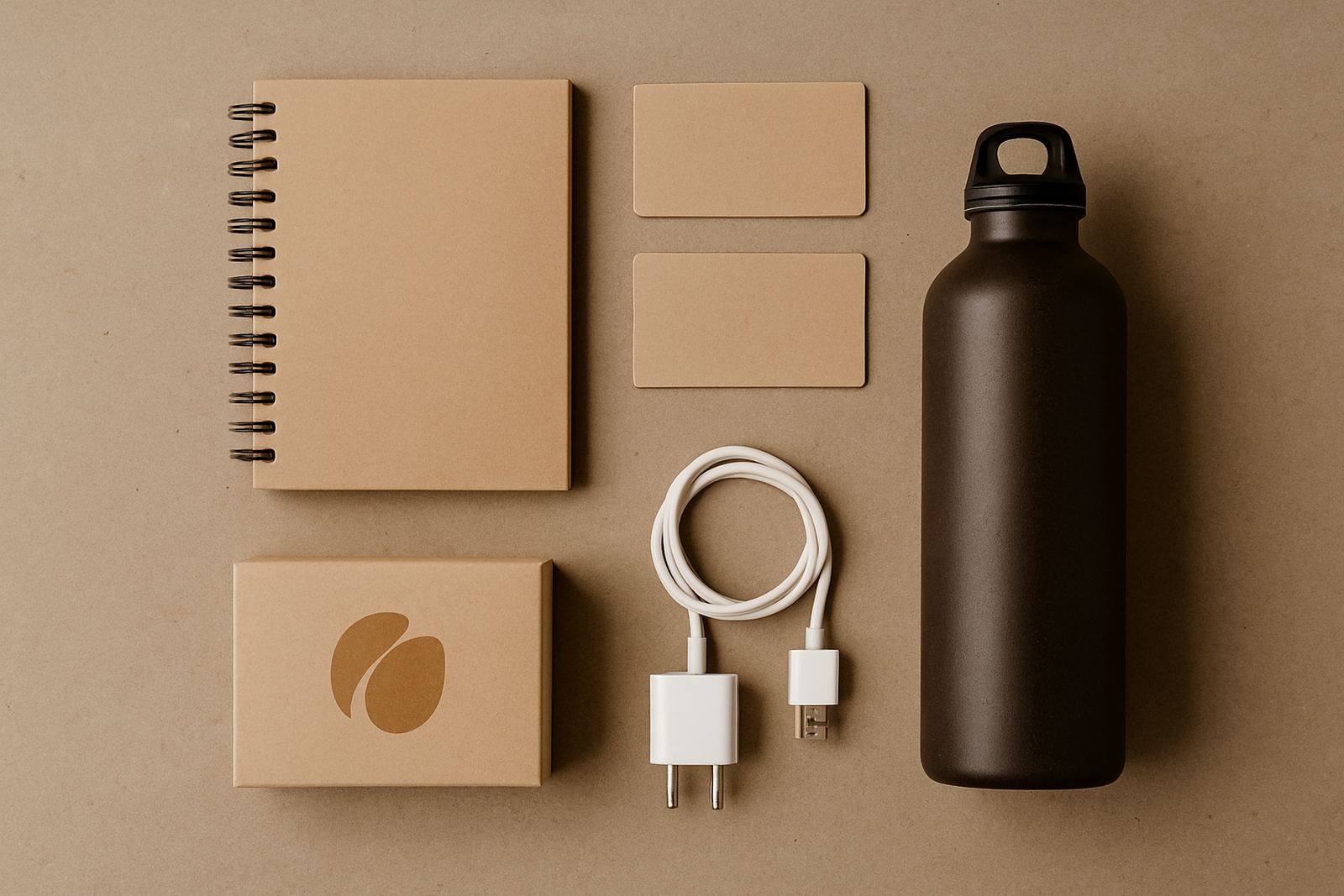
You do not need a heavy bag to make a strong impression. Bring the items that help you share your work clearly and keep moving through the day. If the meetup is in Johannesburg and the power is uncertain, charge your phone and power bank the night before. If you are heading to a venue with limited plug points, assume you will not find one when you need it.
- Fully charged phone and power bank
- Printed cards or a digital contact card ready to share
- Notebook and pen
- Portfolio on your phone, tablet or laptop
- One small sample, product or image set if relevant
- Water and a light snack
Dress neatly and comfortably. In Braamfontein or Newtown, that can mean practical shoes, a clean layer for cooler evenings and something that still looks good after taxi rides or a long walk from parking. If your work is physical, bring a cloth or folder to keep samples clean. Dust and humidity can ruin a presentation faster than people expect.
3. Prepare your short introduction and talking points
Most meetups move quickly, so your introduction should be easy to say and easy to remember. Keep it to your name, what you make, where you work from and what kind of help or connection you are after. Speak plainly. People respond better to clear words than to a long explanation that goes nowhere.
Practise it once or twice before you arrive. You should be able to say it without reading from your phone. If someone asks what you do, answer with a short example. For instance, a product designer might mention a recent project, while a workshop team might talk about the kind of builds they handle and the kinds of partners they are looking for.
- Name and role
- What you make or build
- Where you are based
- What you want next
- One recent example of your work
4. Review your portfolio, pricing and proof of work
At creator meetups, people often ask for evidence not just interest. Make sure your portfolio is current, your images are clear, and your links open properly on your phone. If you show products, use clean photos with enough light. If you share services, include a short description of what you do, who it helps and what a starting rate looks like.
Pricing support matters because many creators still undersell themselves. Have a simple answer ready for basic questions like your minimum project fee, your turnaround time and whether you work remotely or on site. If you are meeting people in Cape Town, Durban or Nairobi, remember that shipping, delivery times and local supplier costs may differ so be ready to explain your numbers without overtalking them.
- Check every link before you leave home
- Use recent images and current prices
- Keep one page or one folder with your best work only
- Prepare a simple rate range if needed
5. Plan for the room, the road and load-shedding
Good preparation is not only about what you say, but how you get there. Check the venue address, travel time and parking options in advance. If you are using ride-hailing or public transport, allow extra time for traffic, rain or delays. In Johannesburg especially, a ten minute late arrival can become thirty very quickly.
Think about power too. Bring backup lights if you need them for displaying work in a dark room, and save key files offline in case the Wi-Fi is weak. If the event runs during load-shedding, you want your phone, file access and contacts to still work. Small details save the day.
- Confirm the venue and start time
- Plan at least one backup route
- Save key documents offline
- Check parking, security and access rules
- Leave enough time to arrive calm, not rushed
6. Leave with follow-up, not just notes
The real value of a meetup often shows up after the event. As soon as you get home, write down the names you met, what they do and what you promised. If someone asked for your portfolio, send it while the conversation is still fresh. If you agreed to introduce two people, do it within a day or two.
Keep your follow-up short and useful. Thank them, mention where you met and remind them of the next step. That could be a portfolio review, a mentor chat, a collaboration call or a future showcase. Strong community work depends on follow-through, not just enthusiasm.
- Save contacts with a note about where you met
- Send promised links within 24 to 48 hours
- Log next steps in one place
- Review what worked and what to improve next time
At PioCreat Africa, we see meetups as a starting point for real working relationships. When creators arrive prepared, the room becomes more useful for everyone.