
1. Start with a clear sell list
Before you pack anything, write down exactly what you are taking to market and why. Keep the list tight. Too much stock eats space, makes counting harder, and leaves you with boxes under the table when customers are trying to look at your work. If you are selling handmade goods, bring your best movers first, then a small number of extra pieces for variety.
Think in groups: ready stock, display stock, backup stock and packaging. Count each item, note your cost price, selling price and any item that needs special care in heat, dust or rain. If your market is in Braamfontein, Pretoria or Durban, the day can shift quickly, so pack for sun, wind and a few load-shedding surprises as well.
- List every item by name, size and quantity.
- Mark which products must stay out of direct sunlight.
- Separate fragile pieces from items that can take a knock.
- Pack at least one small buffer of best sellers, if stock allows.
2. Pack for a quick, tidy setup
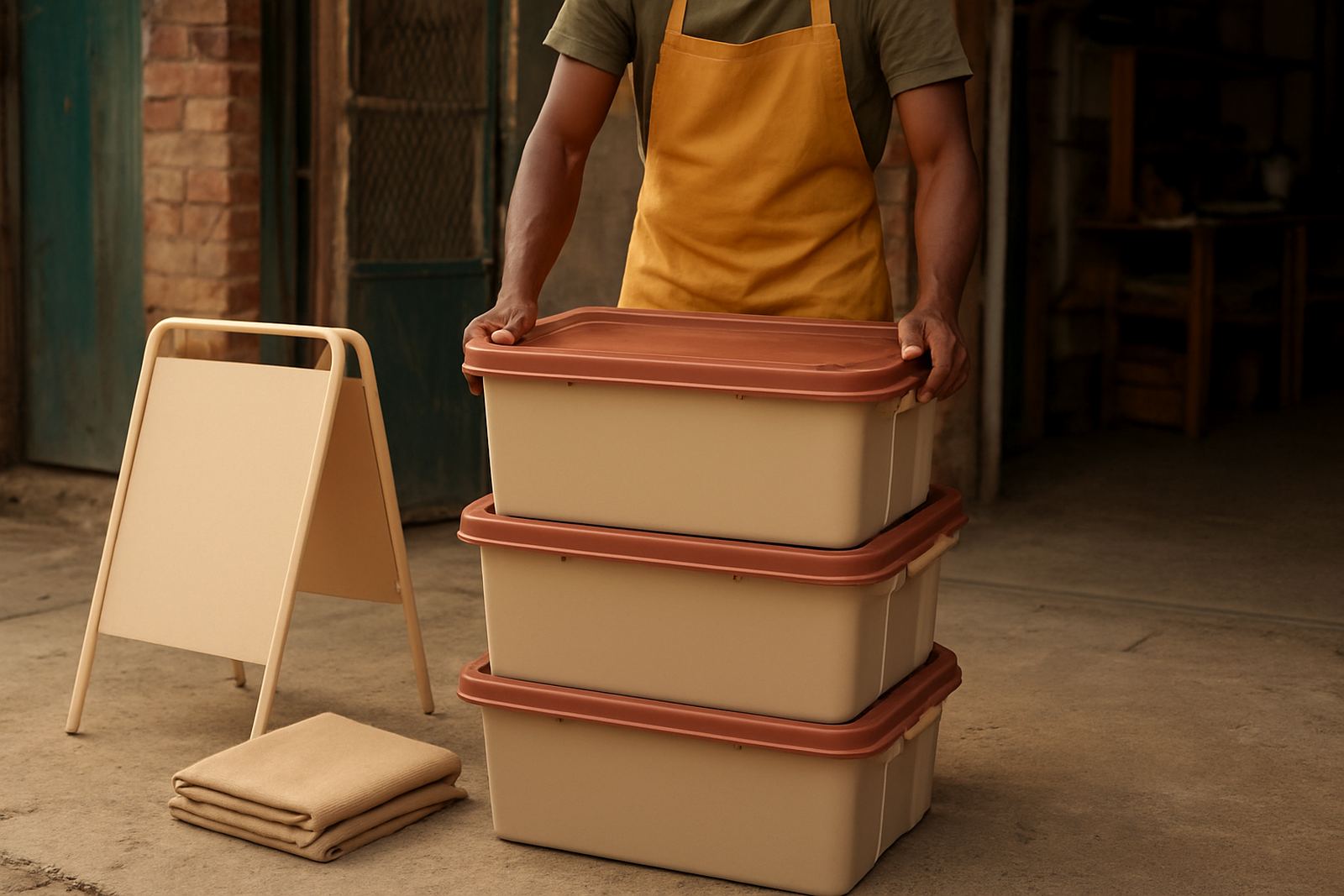
Your setup should be simple enough to build in 15 to 20 minutes. Use strong containers, clear labels and one bag for small tools so you are not opening five different boxes when the table is already half set. In busy indoor spaces like Rosebank or Newtown, a neat table helps people stop and look. In outdoor spaces, keep a few clips, weights and covers ready for wind or a sudden shower.
Do a practice pack at home. Measure your table, check the height of your display, and make sure your signage can be read from a few metres away. If you need power for lights, charging or a card machine, carry a charged power bank and test your cables the night before. Dont leave extension leads loose where people can trip.
- Table cover or cloth
- Signage with prices and your name
- Storage boxes and a pen
- Scissors, tape, cable ties and clips
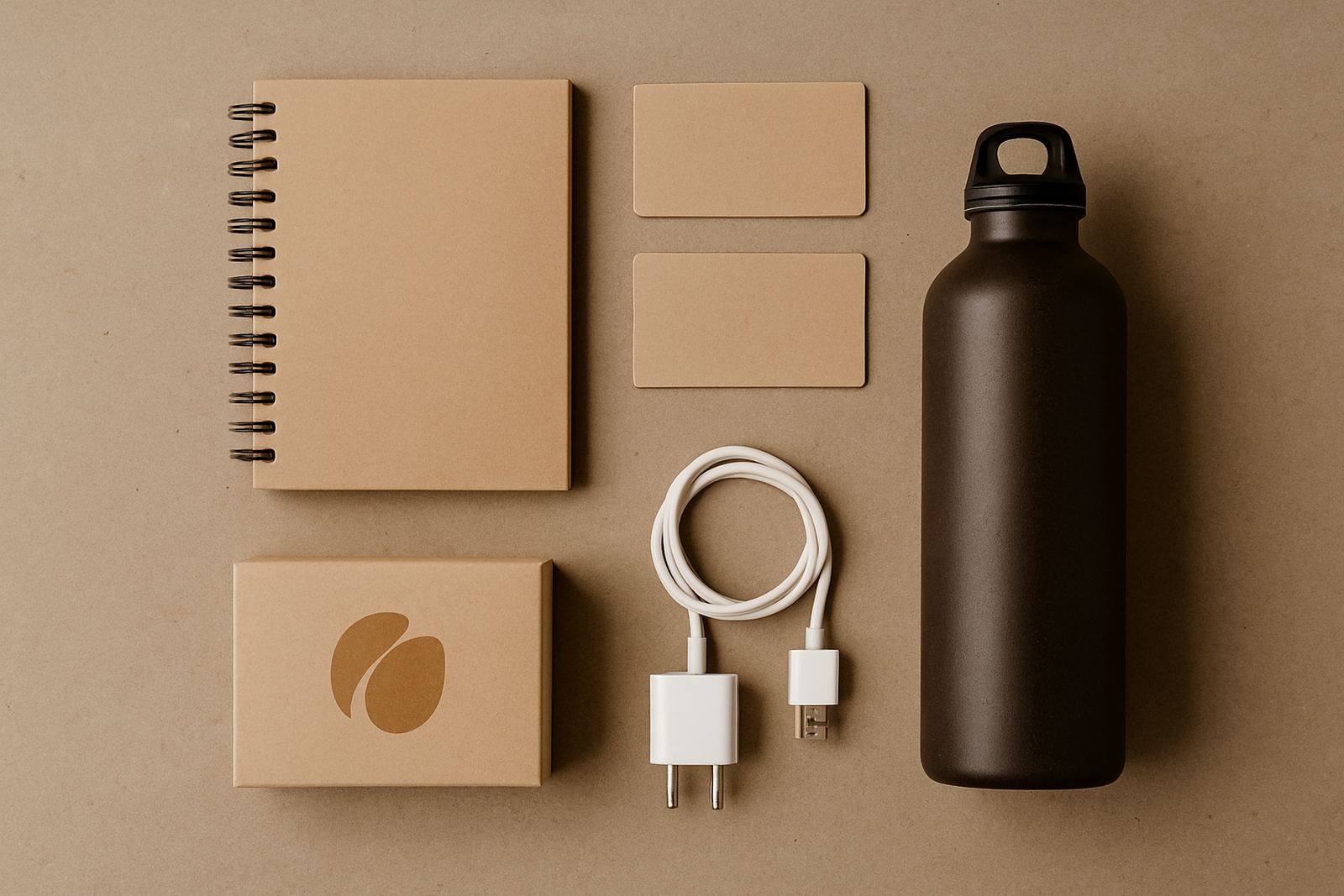
- Power bank, spare battery packs and chargers
- Hand sanitiser, wipes and small rubbish bag
3. Price clearly so customers can decide fast
At market level, confusion kills sales. Put prices where people can see them without asking. Use round numbers where possible and keep your pricing logic steady across similar products. If you have custom items, show a base price and explain what changes the final amount. Customers in Pretoria, Cape Town and Nairobi all respond well when the price is straight and the product story is clear.
Also think about change. Carry notes and coins for smaller payments, but do not rely on cash only. Many buyers will want to tap, scan or pay by transfer. If you sell bundles, show the saving clearly. For example, two items bought together should feel like a better deal than buying each one separately. That helps move stock without awkward haggling.
- Display every price in large, easy-to-read text.
- Keep a small float for change and note the amount at the start of the day.
- Have a simple price card for custom orders.
- Offer bundle pricing only where it protects your margin.
4. Set up payment options before doors open
Payment problems slow the whole table down. Test your card machine, payment app or bank transfer method before you leave home. If signal is patchy, save proof of payment steps in your phone and keep a printed note of your account details in case a customer asks. In some venues, Wi-Fi is unreliable and mobile data can dip when the hall gets busy, so plan for more than one method.
Tell customers what you accept from the first minute. A small sign near the front of the table saves time and avoids the usual back and forth. Keep receipts, a notebook or a digital sales list, and record each sale as it happens. This makes end of day counting much easier, especially after a long event in Johannesburg traffic or a full Saturday on the move.
- Test card payments before the market starts.
- Carry a backup payment option in case one system fails.
- Keep your account details and proof of sale notes close by.
- Write down every sale before the next customer steps up.
5. Manage customer flow without losing the sale
People buy more when they can see, touch and ask questions without feeling crowded. Leave space in front of your table for one or two people to browse, and keep your most attractive items at eye level. If you are doing a live demo or personalisation, create a small working area that does not block the whole display. A calm table usually sells better than a packed one.
Be ready with short, helpful answers. Explain what the item is, who made it, how long it lasts and how to care for it. If a customer is undecided, give them one useful detail rather than a long pitch. In a market setting, people are often balancing bags, taxis and time, so they appreciate clear information. A friendly greeting and a clean table can make all the difference.
When foot traffic is heavy, use a simple rhythm: welcome, show, price, close. If someone needs time, offer a card or a note with your name so they can come back later.
6. End the day like you want to do this again
The last hour matters. Count stock, compare sales to your sell list, and note what moved quickly and what stayed behind. If a product sold well in Soweto but not in Braamfontein, that is useful information, not failure. It tells you where your pricing, display or audience fit needs work. Pack carefully so your next market starts with less stress.
After you load out, review three things: what sold, what questions people asked and what caused delay. Was your table too cluttered? Did you run short of change? Did power or weather interrupt your setup? Write it down while it is fresh. Good market work is built on small fixes, and the next event is where you use what you learned.
- Count remaining stock and separate damaged items.
- Record sales totals and payment methods.
- Note your best sellers and slow movers.
- Pack display items in the same order for next time.
- Write one improvement to test at the next event.