Before people arrive: set the room up for flow
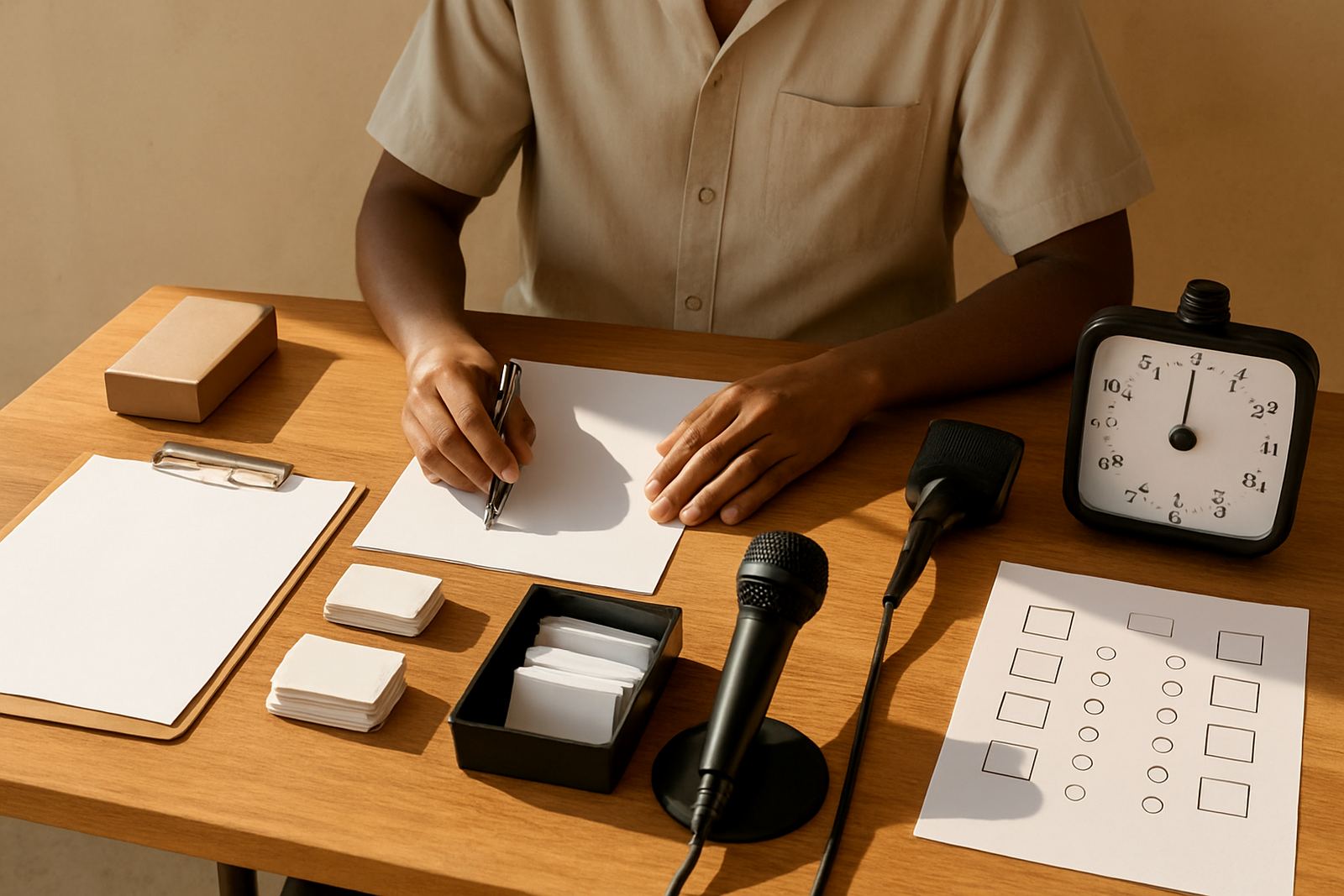
Start with the basics at least 45 minutes before doors open. Check the venue layout, sound, seating, lighting and access points so you are not fixing problems while guests are walking in. In Braamfontein, that also means checking power backup, mic batteries and whether the lift, gate or security counter has any restrictions for deliveries or late arrivals.
Place the sign-in point where people can see it straight away. Keep name tags, pens, water and a simple run sheet within reach. If the session includes a panel, demo or portfolio review, test the projector, charger points and internet before the first guest arrives. Where load-shedding is possible, make sure your backup plan is clear and practical, not just written down somewhere.
- Confirm the start time, end time and any buffer time for late arrivals.
- Walk the room and remove anything that blocks movement or sightlines.
- Test sound, slides, lighting and any recording equipment.
- Assign one person to front-of-house and one to timekeeping.
Open with purpose, not a long speech
When the room is ready, open with a short welcome that tells people why they are there and what will happen next. Do not try to explain every detail in one breath. A clean opening gives the room direction and calms the first five minutes, which is when people decide whether to settle in or keep chatting on the side.
Introduce yourself, the theme and the flow. Mention the finish time early so people know the rhythm. If there are first-time attendees, speakers from out of town or online guests joining from Cape Town, Durban, Pretoria or Nairobi, name them clearly and make the welcome inclusive. Keep the energy warm, direct and practical.
- Say who the session is for and why it matters.
- State the start, break and closing times.
- Explain how questions, photos or networking time will work.
- Thank partners, speakers and support team members by name.
Keep introductions short and useful
Good introductions help people understand who is in the room and what each person brings. Keep them relevant to the purpose of the event. If someone is there for portfolio feedback, say what area they work in and what kind of input they are looking for. If it is a showcase, say what they make, build or create. Avoid long biographies that slow the room down.
Where possible, ask speakers or contributors for a one-line intro in advance. That saves time and reduces awkward pauses. If you are introducing a mentor, collaborator or panelist, lead with their current work and one concrete point of value. People connect faster when they know what the conversation can actually do for them.
- Use a consistent format: name, role, focus and one useful detail.
- Do not read a full CV out loud.
- Pause after each introduction so the room can settle.
- Correct names and pronunciations before the session starts if needed.
Read the room and manage energy as you go
A strong host watches the room as much as the clock. If people are getting restless, move to the next section sooner. If the discussion is strong, let it breathe for a few extra minutes and trim something later. The aim is not to force the schedule, but to keep the event alive and useful from beginning to end.
Watch for drift. People check phones when the pace drops or when instructions are unclear. Bring them back with a question, a quick recap or a direct transition. In mixed in-person and online sessions, check that remote participants are still being included, because it is easy for them to get pushed to the side when the room gets busy.
- Use transitions like “We are moving to questions now” or “Let’s hear one example before we close”.
- Stand where the room can see you, but do not block the speaker.
- Use eye contact and a clear voice when attention starts to slip.
- Keep water, markers and printed notes close by for quick fixes.
Handle timing, questions and changes without losing control
Not every session will run exactly as planned. Speakers arrive late, questions go long, sound cuts out or a guest needs to leave early. The host’s job is to steady the room and make the next step obvious. Speak calmly, thank people for their patience and move the event forward without over-explaining the problem.
Have a question format ready. You can ask for one short comment, one practical example or one final reflection. That keeps the discussion from turning into a debate with no shape. If time is tight, say so early and close politely rather than letting the final section drag on after the room has switched off.
- Keep a visible time marker or phone timer within reach.
- Use a signal with speakers or moderators when five minutes are left.
- Cut off repeats by thanking the person and moving to the next voice.
- If an issue comes up, name the solution and the next step.
Close well and leave people with next steps
The ending matters. A rushed closing makes the whole event feel unfinished, even if the session was good. Bring the room back together, recap the main points and tell people what happens after the event. That might be a follow-up form, mentor matching, a shared folder of resources or the date of the next meetup.
Thank the team, speakers and attendees in a clear order. If you promised introductions, feedback or links, make sure the follow-through happens. That is where trust is built. People remember how the room made them feel, and whether the host kept their word after the applause died down.
- Recap 3 key takeaways before closing.
- Share the next action for attendees while they are still in the room.
- Confirm who is responsible for photos, notes and follow-up messages.
- End on time so people can plan transport, parking and their evening.