Set the purpose before the first comment
Every critique circle needs a clear reason for meeting. Are you checking whether a product is ready for market, refining a portfolio, testing a campaign visual, or shaping a pitch for funders? Say it upfront so everyone knows what kind of feedback is needed. In a mixed group, this stops the session from drifting into vague opinions and keeps the feedback tied to the brief.
Start with three basics: what the creator wants reviewed, what stage the work is at, and what decision must be made after the session. A sculptor in Pretoria, a digital creator in Cape Town, and a workshop team in Durban may all need different kinds of input. When the purpose is clear, the room can focus on craft, not guesswork.
- Name the outcome: improve, select, edit, price or present.
- State the audience: peers, buyers, mentors, or event organisers.
- Set a time limit for each person so nobody takes over the room.
Open with ground rules that protect trust
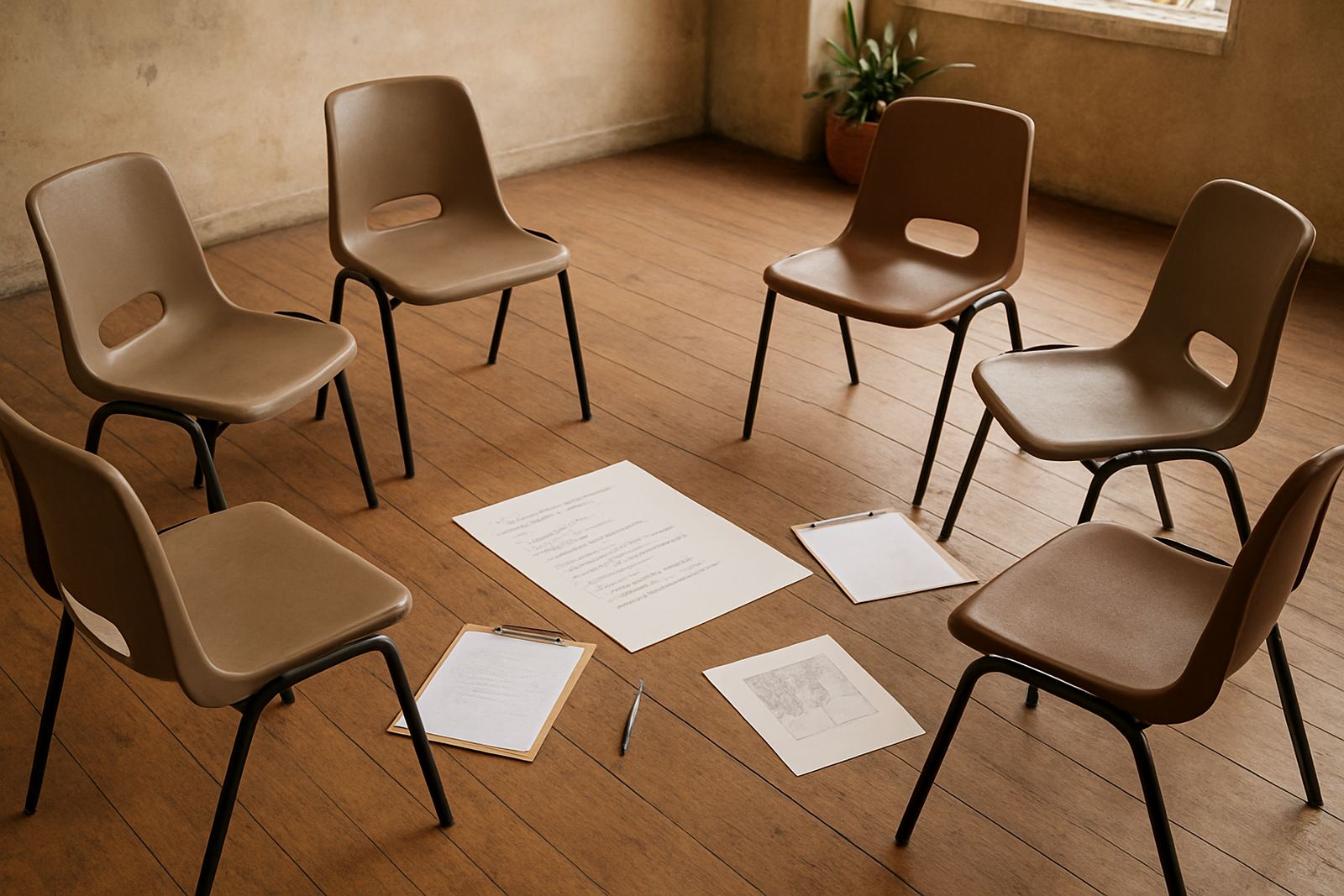
A fair critique circle is not a free-for-all. Set rules at the start and repeat them every time if the group changes. People share work when they trust that the room will stay constructive, especially in cross-border sessions where styles, markets and language can differ.
Keep the tone direct but respectful. Critique the work, not the person. If something is unclear, ask a question first before giving judgement. That small shift lowers defensiveness and often reveals the real issue. In Braamfontein or online, the same principle holds: be specific, be fair, and speak from what you see.
- Speak in turns, no interruptions.
- Use plain language and avoid inside jokes.
- Balance praise with useful correction.
- Do not compare people against each other, compare the work against the brief.
Use a simple feedback format that keeps people honest
Unstructured feedback often turns into praise, then opinions, then a long debate about taste. A simple format helps the group stay useful. One option is to move in three steps: what works, what is unclear, and what could be improved. Another is to ask each person to give one observation, one question, and one suggestion. Both methods keep the session moving and give the creator something usable.
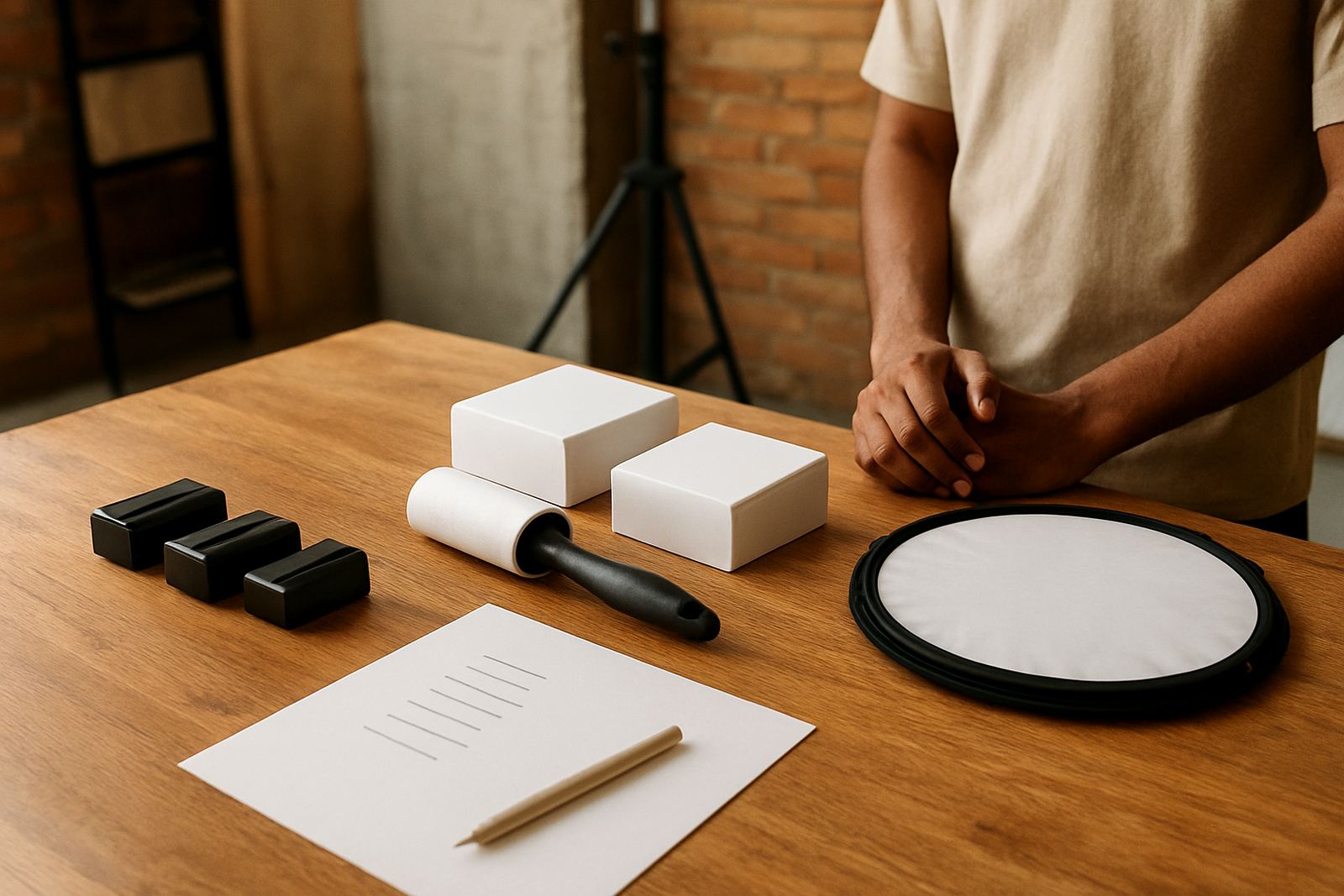
For physical products, ask about size, finish, price point and how the item travels or stores. For posters, social content or creator profiles, ask whether the message is easy to understand in under 10 seconds. For event concepts, check the flow, access and whether the idea would still work during load-shedding or with limited venue support. Useful critique is grounded in real conditions, not theory alone.
- What do you notice first?
- What is confusing or incomplete?
- What would make this stronger for the intended audience?
- If the creator can only change one thing, what should it be?
Guide the room so every voice gets space
Good facilitation matters as much as good feedback. A strong host watches the pace, draws in quieter members and cuts off repeated comments before they eat the hour. If one person speaks too much, thank them and move the floor. If someone is silent, invite them in with a direct but gentle question. This keeps the session inclusive and helps newer members build confidence.
It also helps to group feedback by theme rather than letting the conversation wander. For example, discuss concept first, then form, then audience fit, then pricing or delivery. This order stops the session from jumping around and helps the creator absorb the notes. When people can see the structure, they usually give better answers, too.
- Open with the creator speaking for two minutes only.
- Give each reviewer a short turn.
- Summarise the main points before moving on.
- Close each review with one agreed next step.
Keep critique fair across different backgrounds and markets
Across South Africa and the continent, people work with different budgets, tools and customer habits. A fair critique takes that into account. Do not judge a handmade item from Soweto by the same production rules as a studio-made product with bigger equipment and higher overheads. Judge it by fit, clarity, care and whether it meets its own market.
Be careful with comments that assume one style, one price point, or one audience is the default. A piece that sells in Nairobi may need a different story in Johannesburg. A service offered online may need stronger visuals because the buyer cannot touch the product. The aim is not to standardise creativity, but to help each creator make a better call for their own context.
If the group includes speakers from different countries or language backgrounds, slow the pace a little and avoid slang that may confuse people. Fair critique is not about sounding formal, it is about making sure everyone can follow and respond.
End with notes, actions and a clean follow-up
A critique circle is only useful if the creator can remember what was said. End by capturing the main themes, the strongest suggestion and the next action. If the session is happening in person at a chapter meetup or online after work, make sure someone records the points in a shared note or sends them out after the call. Without that step, the best advice gets lost by the next morning.
Before closing, ask the creator to name what they will change first and what still needs more thinking. Then ask the group if anything important was missed. That final check can uncover a pricing gap, a photo issue, or a problem with market readiness that only becomes obvious at the end. Leave the room with the work moving forward, not just talked about.
- Write down 3 key takeaways.
- Assign 1 next action for the creator.
- Note any follow-up support needed, such as mentor matching or portfolio feedback.
- Confirm the date or channel for the next review.