
What Set Builders Usually Need Help With
Set builders often work under tight time frames, shared venues and changing brief details. One day it is a product reveal in Rosebank, the next it is a creators' shoot in Cape Town with wind, salt air and a very strict load-in window. The common thread is simple: the structure has to be practical, neat and safe, and the team has to stay in step from sketch to strike.
PioCreat Africa supports creators, makers and production teams who need the right people around a build. That can mean bringing in the right workshop partner, connecting a stylist with a display maker, or helping a team prepare a clear brief before materials are ordered. A good set is not only about finish, it is about how quickly it can be assembled, adjusted, packed away and used again.
- Event backdrops, podiums and feature walls
- Market stalls, demo tables and pop-up display units
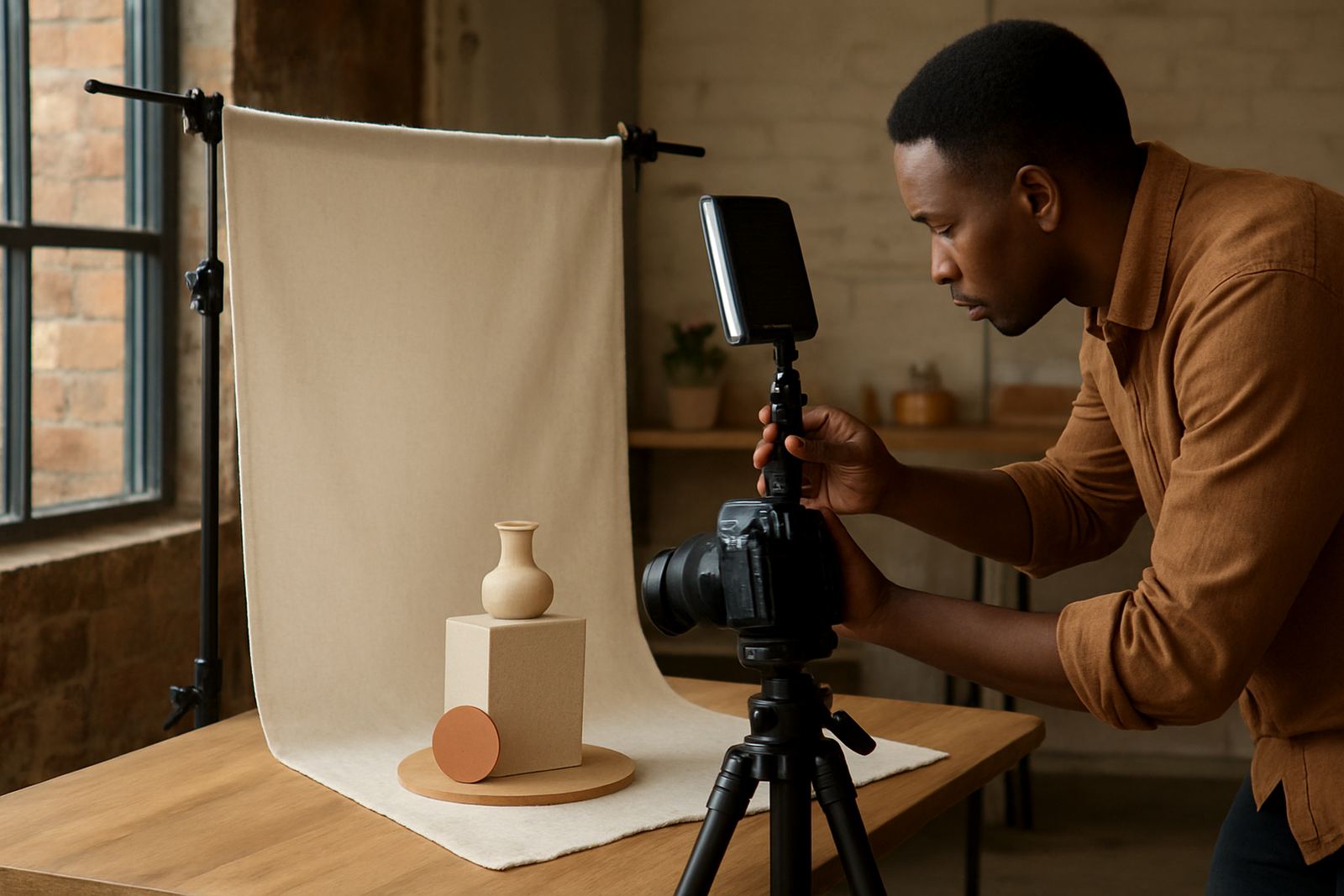
- Photo shoot environments for products, portraits and lifestyle content
- Workshop spaces for live demos and maker showcases
- Portable installations for roadshows and creator activations
Typical Equipment and Materials in the Kit
A proper set build usually starts with the frame. That might be timber battens, light steel tube, modular panels or a mix of the three, depending on weight, finish and how often the structure will be reused. For indoor venues in Johannesburg, weight and transport matter. For outdoor use in Durban or on the coast, moisture resistance and stable anchoring matter even more.
Teams normally work with a practical set of items that can be loaded into a bakkie, van or small truck without wasting space. Lighting, clamps and power access can make or break the day, especially when a venue has limited plugs or load-shedding cuts the schedule short.
- Modular frames and foldable panel systems
- Plywood, MDF, foam board and fabric finishes
- Paint, vinyl graphics, printed signage and removable adhesives
- LED lights, extension leads and backup power for key moments
- Wheelable plinths, crates, product risers and shelving
- Tools, tape, cable covers, fasteners and safety signage
For outdoor installs, builders should also plan for ballast, sandbags or other anchoring methods. A windy afternoon in Pretoria can shift a light display fast, and a glossy floor in a hotel venue may need extra grip tape and protection under every stand.
How to Plan the Layout So the Build Works on the Day
The layout should be drawn around movement, not just appearance. People need to enter, pause, take photos, speak, and move out again without crowding the frame. If the build is for a showcase or mentorship event, there should be clear space for a presenter, a display zone and a quiet corner for one-on-one chats. In a smaller venue, one poorly placed plinth can block the whole room.
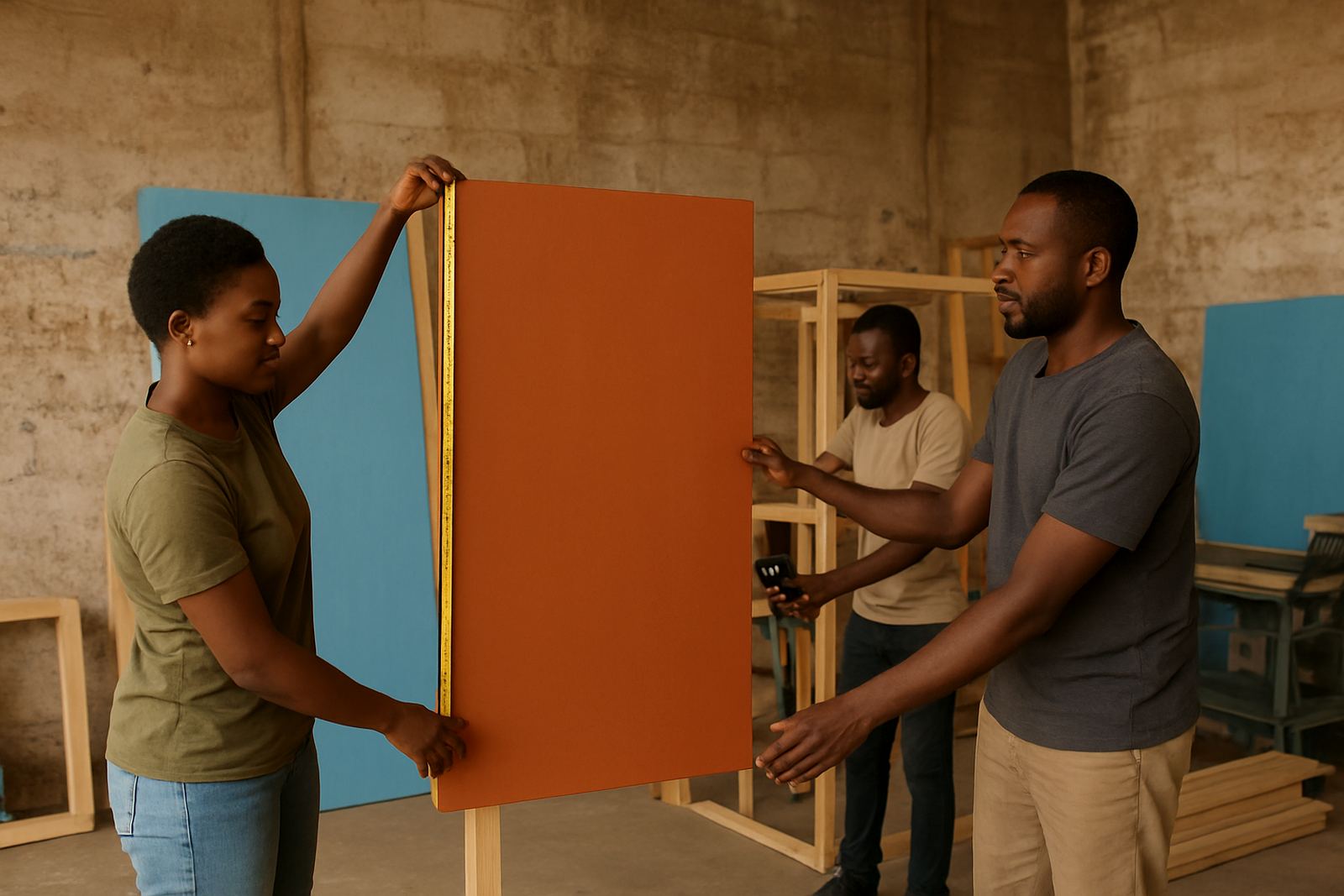
Good planning also means checking the actual site before anything is cut. Measure the doorways, lift size, ceiling height, floor finish and parking access. In Braamfontein and Newtown, loading bays and building rules can change the order of the day. In Cape Town, some venues are strict on noise and exit times. That affects the build sequence, not just the final look.
- Mark the footprint on the floor before assembly starts
- Build in modules so sections can be moved without full dismantling
- Keep cables along edges and cover crossing points
- Leave space for cameras, tripods and the person capturing content
- Plan a strike order so the fastest items come down first
Common Mistakes That Cost Time and Money
The biggest mistake is treating a set like a one-off photo prop instead of a working structure. If it needs to hold product, support lighting or survive a busy footfall area, it must be built for that use. Another common issue is ordering finishes before the dimensions are final, then finding the print is 20 mm too short or the board does not fit the frame. That sort of error burns cash and time.
Teams also underestimate transport, labour and contingency. A set can look affordable on paper and still go over budget once you include delivery, offloading, touch-up paint, replacement screws and overtime. If you are working across cities such as Johannesburg, Durban and Nairobi, travel and courier lead times need to be in the plan from the start.
- Leaving measurements until the last minute
- Choosing materials that look good but warp in heat or humidity
- Ignoring cable management and power access
- Not allowing for packing, storage and reuse after the event
- Building too much detail into a space that needs quick turnover
Simple drawings, a clear materials list and one person responsible for final sign-off can prevent most of these problems.
Budget Ranges in Rand for Different Build Sizes
Budget depends on size, finish, transport and how much custom work is involved. A small in-store display or content corner can be managed at a fairly modest spend, while a full showcase environment with printed walls, lighting and multiple product zones will sit higher. The numbers below are working ranges, not fixed quotes, but they help when planning with suppliers and partners.
For Johannesburg and Pretoria, local production can keep costs tight if the build is simple and materials are sourced early. Coastal jobs often need extra allowance for finishing, protection and weather-safe fixing. If the set must be reused for several dates or chapters, it is usually worth spending more on stronger joinery and better storage.
- Small content set or single display corner: R8 000 to R25 000
- Mid-size event backdrop with products and lighting: R25 000 to R75 000
- Large showcase build with multiple zones: R75 000 to R180 000
- Multi-city or touring set with reusable modules: R120 000 and up
It also helps to keep a contingency of 10% to 15% for changes, extra fittings or last-minute venue requirements. If power is uncertain, add the cost of backup lighting or battery support rather than losing the whole shoot window.
Where PioCreat Africa Fits Into a Set Build
PioCreat Africa is useful when the build needs more than hands. The right set often comes from the right mix of maker, stylist, photographer, producer and community partner. If you are creating for a showcase in Braamfontein, a mentorship event in Soweto, or an online product reveal for a Nairobi audience, the project works better when the people involved understand both the craft and the audience.
Our team can help with collaboration facilitation, event production planning, creator photography, product styling, market readiness and creator profile writing. That means the set is not only assembled well, but also presented clearly to the people it needs to reach. For a lot of African-made work, that is what turns a good build into a useful one.
When the brief is clear and the team is aligned, the set looks cleaner, the day runs smoother, and there is less scrambling before doors open.