When a maker needs images that do more than look nice
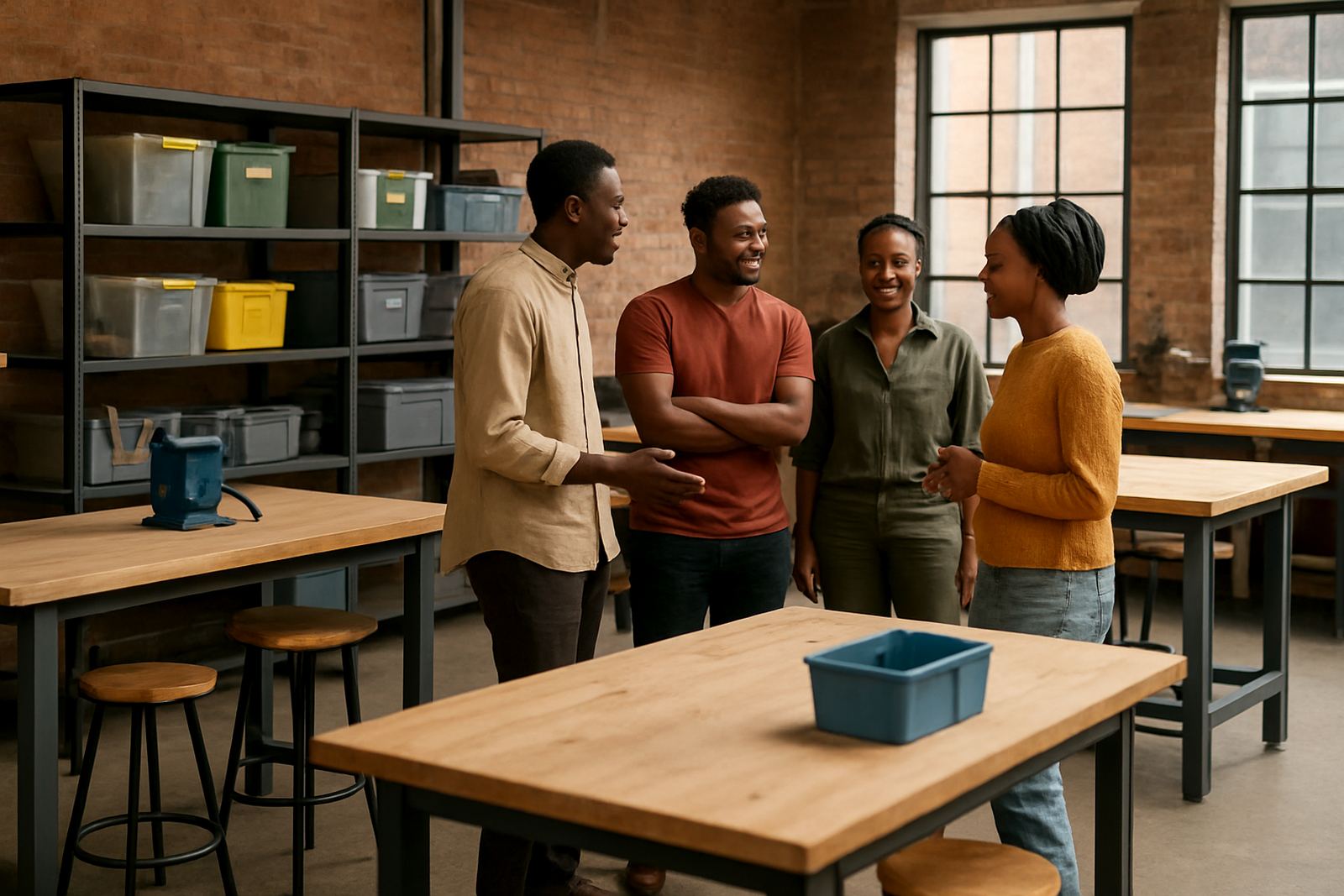
Creative photographers are often brought in when a product launch, profile feature or community event needs strong visuals for social media, websites, press packs and event recaps. In a city like Johannesburg, where many creatives work from shared studios, maker spaces and small workshops, the brief is usually practical: capture the item, the hands making it, and the people behind it without slowing production for too long.
The client situation is usually one of these: a new product range that needs clean catalogue images, a founder profile that needs portraits with some character, or an event where the organisers want a full record for future promotion. In Braamfontein and nearby areas, timing matters because venues may only have access for a few hours, and load-shedding can affect lighting, charging and editing on site. Plan for that early.
Good work starts with a short pre-shoot call or in-person walk-through. Decide what the images must do, where they will be used, and how many final selects are expected. If the team is trying to avoid extra reshoots, this part saves money and keeps everyone on the same page.
Typical equipment set for creator shoots
The right kit depends on the space and the subject, but most creative photographers working with makers use gear that is light enough to move between studios, markets and event venues. The aim is reliability, not a bag full of extras that never leave the car boot.
- A camera body with two lenses, usually one for wider environmental shots and one for detail or portraits
- Speedlight or continuous LED lights, especially for indoor workshops and evening events
- Light stands, softbox or diffuser, reflectors and clamps
- Extra batteries, memory cards, extension leads and power banks for load-shedding days
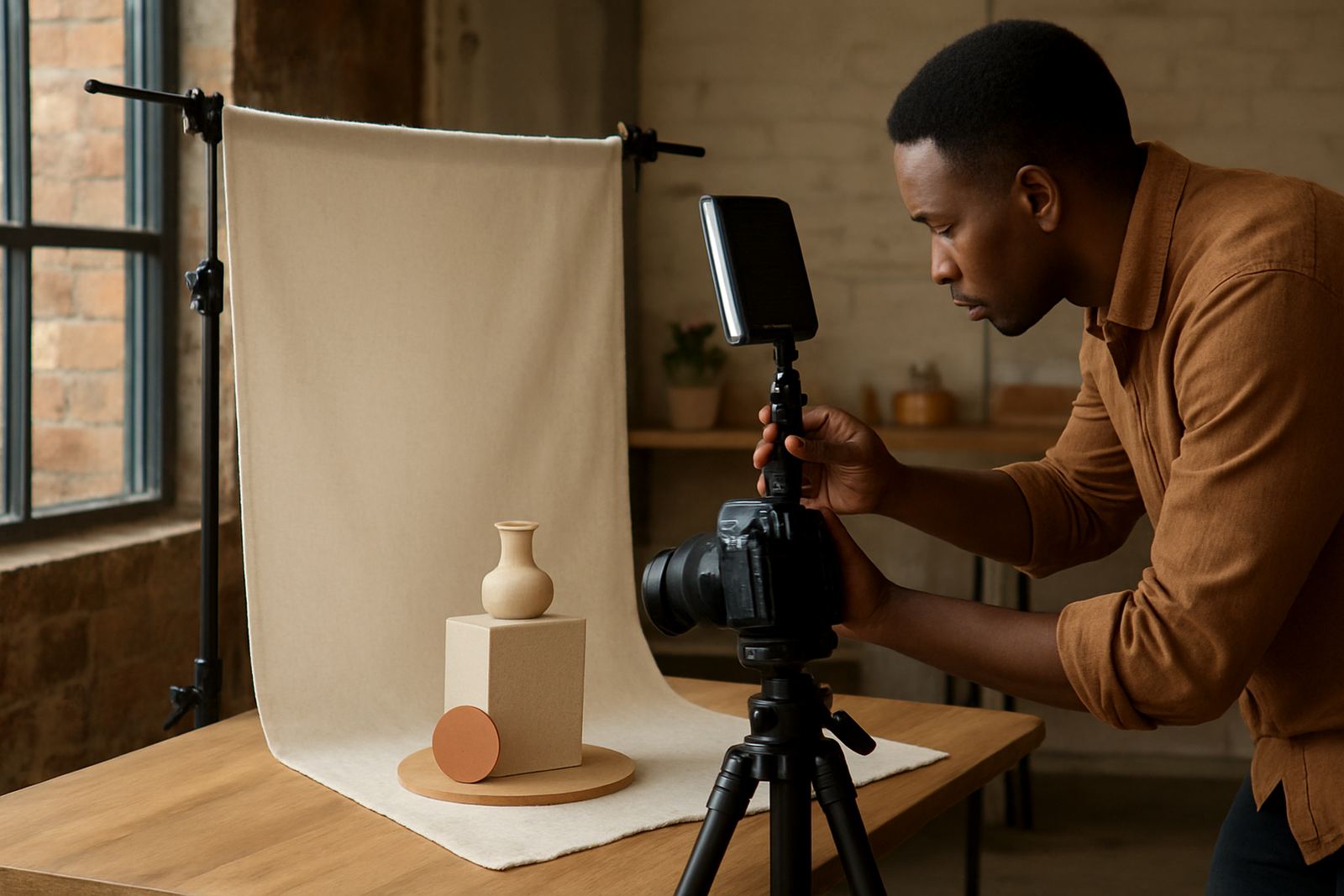
- Backdrop paper or fabric, table top surfaces, styling boards and cleaning cloths
- Basic audio recorder if short video clips or interview snippets are needed
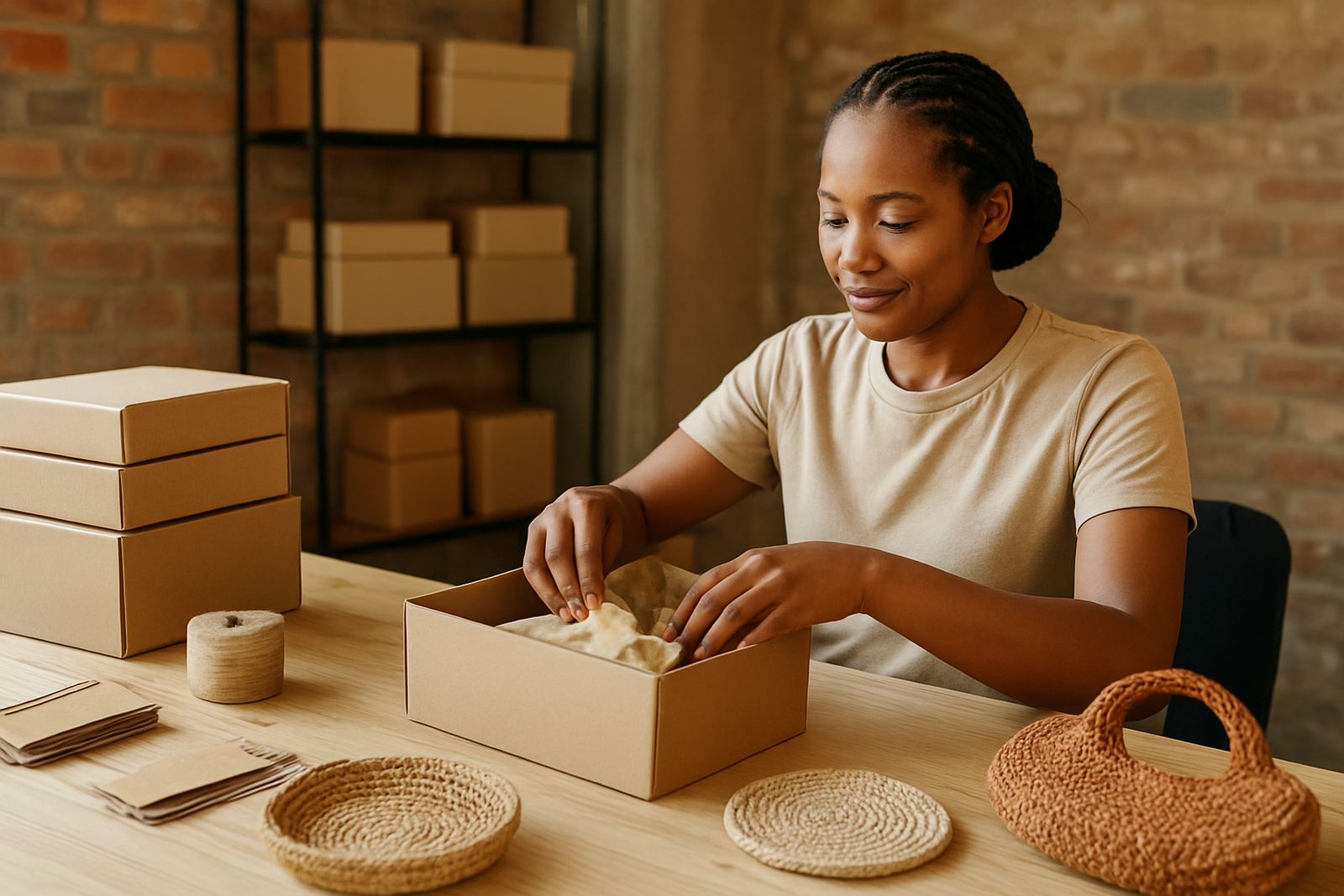
For product styling, simple materials go a long way: neutral linen, plain boards, textured paper, glass, timber and a few props that match the maker’s brand. Keep the setup flexible so the same space can work for flat lays, shelf shots and portraits. If the studio is in a high-rise in Rosebank or a shared space in Newtown, check lift access and loading rules before the day, because that can catch people out.
How to plan the layout so the day runs smoothly
A clean layout plan helps photographers move fast and keeps the maker focused on what they do best. Start by deciding which shots need the most time: hero product images, detail shots, working process images, portraits, and any group photographs. Put the toughest shots earlier in the day, when everyone still has energy and the light is more predictable.
For small product sessions, set up three zones if possible: one for clean pack shots, one for styled images, and one for process or action. If the location is tight, mark these out with tape before the gear comes in. That small bit of planning avoids the stop-start feeling that slows everything down and makes the shoot look rushed.
On larger creator days, such as a showcase or mentorship event, assign one person to keep the schedule moving and another to manage people waiting for portraits. That way the photographer can work, instead of trying to herd everyone at once. It also helps to build in a buffer for late arrivals, wardrobe changes and a few extra frames at the end. The weather in Cape Town or Durban can change quickly, so if part of the shoot depends on natural light, have a backup indoor spot ready too.
The common mistakes that weaken creator imagery
Many strong ideas lose impact because the shoot is under-planned. The most common mistake is trying to capture too much in one session. If there is one product launch, one founder profile and one community event all at once, the image set usually ends up thin. Break the brief into priorities and get the essentials first.
Another mistake is ignoring the final use of the images. An image meant for a vertical social post needs different framing from one meant for a website header or a printed flyer. The same is true for creator photography where faces, hands and tools all need space in the frame. Cropping later is useful, but it cannot fix a badly framed shot. Also, avoid cluttered backgrounds, mixed colour temperatures and over-styled props that distract from the actual work.
- Do not arrive without a shot list or reference mood
- Do not rely on one light source for all situations
- Do not skip clean-up between product variations
- Do not ignore image rights, captions and credit requirements
- Do not forget to factor in parking, venue access and extra time for setup
Budget ranges in Rand for practical creator photography
Budgets depend on the length of the session, the number of final images and whether styling, event coverage or editing is included. For small creator shoots in Johannesburg, a simple one-hour portrait or product session may start around R1 500 to R3 500, especially if only a few edited images are needed. Half-day work often sits around R4 500 to R8 000, while a full day can range from R8 000 to R15 000 or more depending on the brief.
If the shoot includes multiple locations, specialist lighting, same-day delivery or event coverage with a high volume of images, the budget climbs quickly. Add costs for assistants, transport, parking, props, studio hire and rush editing if needed. For maker teams in Pretoria, Durban or Cape Town, it can also be worth planning for intercity travel or courier costs when props and samples have to move between locations.
A clear quote should show what is included and what is extra. That usually means shooting time, retouched selects, basic colour correction, and file delivery format. If the client wants catalogue consistency across several chapters or cities, it may be better to price the work as an ongoing content programme rather than as one-off shoots. That gives everybody more predictability.
Where this works best for PioCreat Africa members
Creative photographers are a strong fit for product designers, digital creators, workshop teams and event organisers who need images that support visibility across the continent. A portrait session for a maker in Braamfontein can feed a profile page, a showcase poster and a mentor introduction all at once. That is the kind of useful output people need when they are building a reputation and trying to be taken seriously.
PioCreat Africa’s chapters and online sessions make it easier to coordinate shoots across South Africa and into Nairobi without losing the human side of the work. When a photographer understands the maker’s process, the images carry more truth. They look less staged and more like the real work being done in studios, at markets and in shared spaces.
For the best result, keep the brief simple, the schedule realistic and the shot list tied to a clear purpose. Good creator photography does not just show what was made, it shows the people and effort behind it.