
When Workshops Need To Feel Practical, Not Theoretical
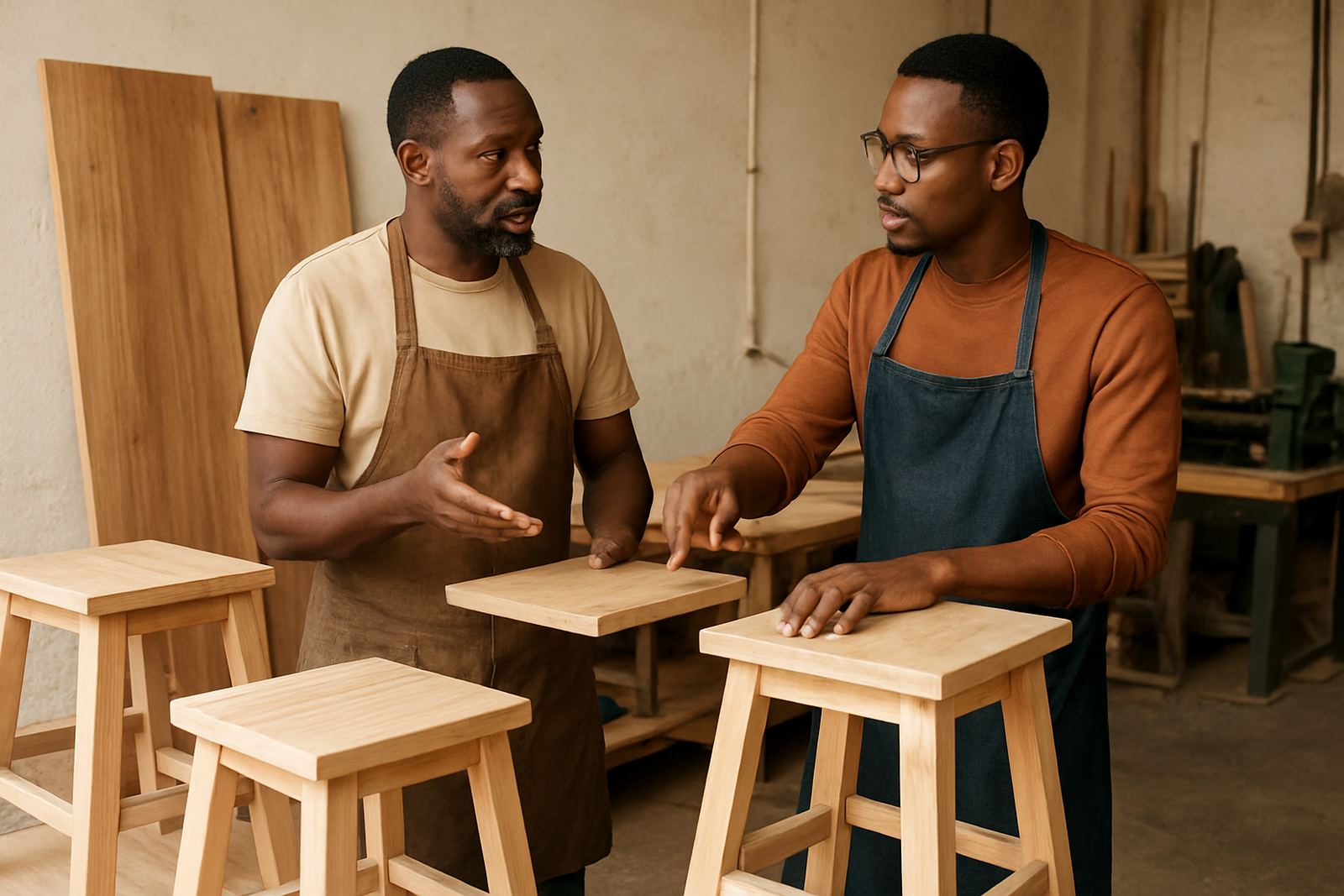
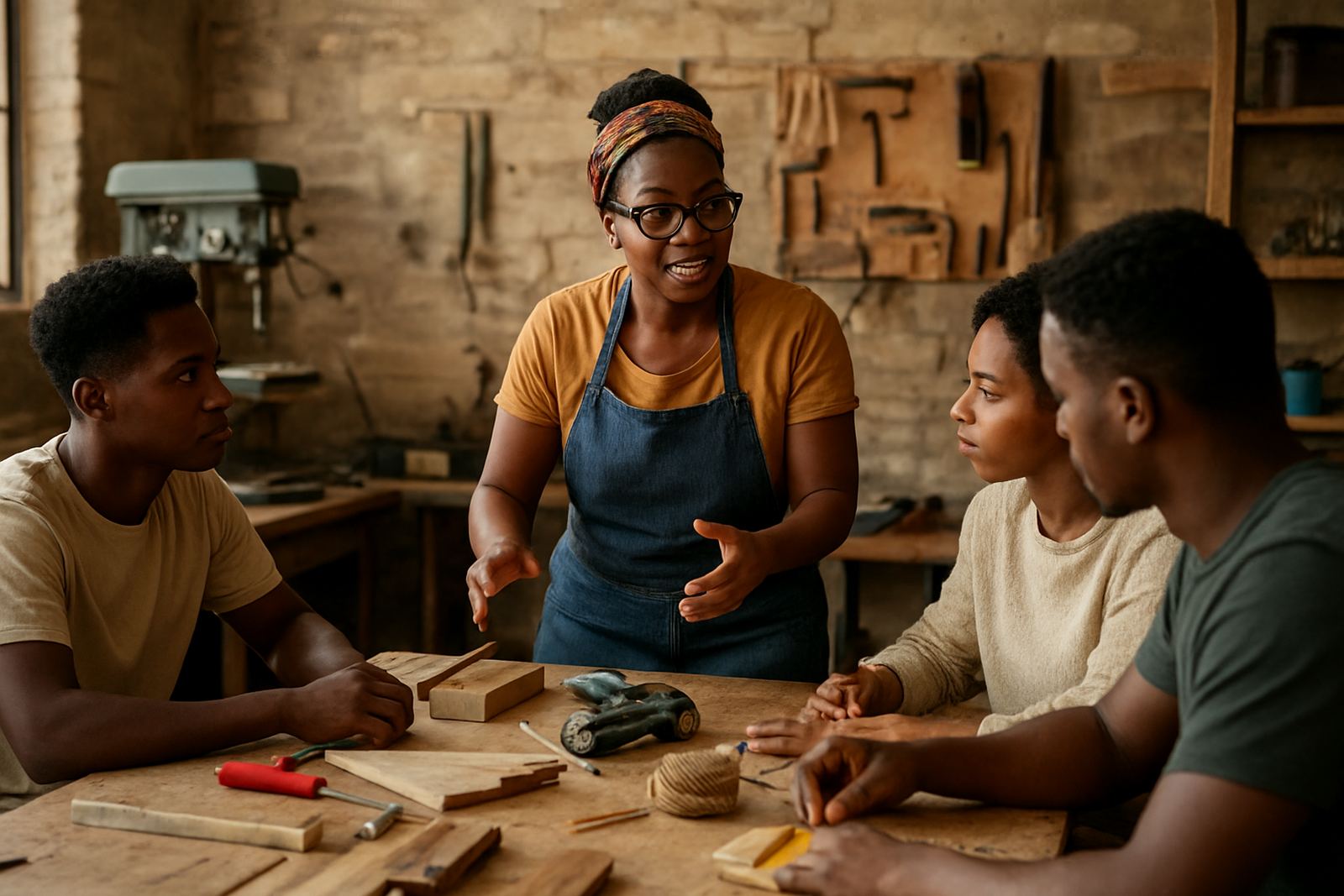
Facilitators and trainers working with young designers, makers and digital creators often need a space that supports movement, discussion and hands-on work at the same time. In Braamfontein and nearby Johannesburg areas, that usually means a room that can handle small group teaching, table-based making and short showcase moments without wasting time on setup. When the goal is skills transfer, the room should help the facilitator stay close to the group and keep materials within reach.
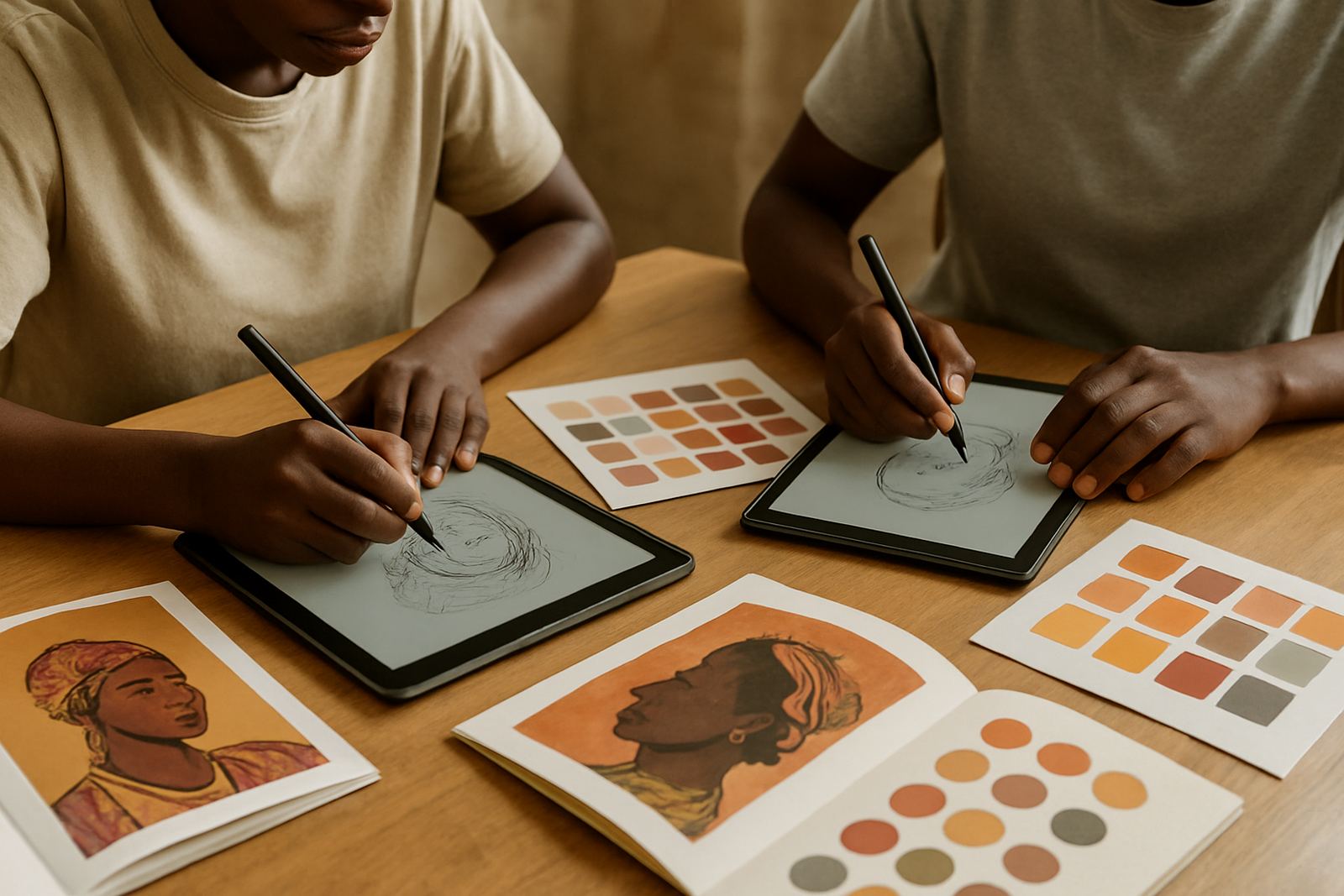
For many creative educator programmes, the biggest challenge is not the lesson itself but the flow around it. Participants need to hear instructions, see samples up close and move between writing, sketching, cutting, testing or presenting. That is why planning matters from the start, especially if your workshop must fit around municipal building rules, load-shedding schedules or short booking windows. A good venue layout saves energy and keeps the programme on track.
- Small to medium groups often work best at 12 to 30 participants
- Tables should allow pair work and easy access for the facilitator
- Clear walkways help when people are carrying tools, paper or product samples
- Natural light is useful for photography, but plan backup lighting for late afternoons
Typical Equipment For Teaching Makers And Creators
Creative educator sessions usually need simple, reliable equipment rather than large tech-heavy setups. The exact mix depends on whether the session is about branding, product development, digital creation, pricing or craft skills. In Johannesburg, where power interruptions can affect timing, it helps to choose equipment that still works when a charger is not available or a screen must be switched off for part of the day.
A practical set-up can include projection, sound, display surfaces and a few presentation tools. If the session involves photography, styling or portfolio review, then tables with clean surfaces, neutral backdrops and a few clamps make a real difference. For youth training in areas like Soweto, Pretoria or Durban, a simple and tidy layout often works better than a crowded room with too much gear.
- Projector or large screen for slides, examples and step-by-step demos
- Portable speaker for clear voice projection in larger rooms
- Whiteboard or pinboard for notes, timelines and group feedback
- Power backups or charged battery packs for load-shedding periods
- Table lighting for product photography, sketching or detail work
- Display plinths, stands or clean tables for samples and finished pieces
Layout Advice For Workshops, Mentorship And Demo Days
The best learning spaces in this field are flexible. A workshop may begin with a talk, shift into group exercises, then end with one-on-one feedback or a small showcase. The room should change easily without everyone having to leave and reset. In practical terms, that means light furniture, enough wall space for visual references and a layout that lets people face both the facilitator and each other.
If you are running a mentorship circle or portfolio clinic, create a quieter corner for private conversations. If you are hosting a collaboration session, allow for a central table where notes, devices and samples can be shared. In coastal cities like Cape Town and Durban, keep an eye on humidity when storing paper, prints or packaged samples. In Gauteng, dust and dry air can affect small equipment and props, so sealed storage is helpful.
- Use U-shape seating for presentations and guided discussion
- Use cluster tables for group tasks, prototyping and peer review
- Keep one wall open for posters, mood boards or process mapping
- Leave space near the entrance for registration, name tags and handouts
- Set aside a separate point for refreshments so the main work area stays clean
Common Mistakes That Slow Learning Down
Many educator-led events fail because the room or schedule is treated like an afterthought. The most common mistake is overloading the session with too much content and not enough practice time. Another is using equipment that takes too long to set up or depends on perfect power conditions. When learners are new to a subject, they need clear steps, room to ask questions and enough time to try things themselves.
Budget also gets misread. A workshop does not need expensive furniture or flashy props, but it does need enough chairs, working extension leads and a few backup options. Another issue is poor communication before the session. If participants do not know whether they need laptops, sketchbooks, sample materials or closed shoes, the facilitator loses time on the day. In busy places like Braamfontein or Newtown, the room must be ready before the first person arrives, not still being arranged at start time.
- Do not rely on one power point source for the whole session
- Do not crowd the room with too many chairs or props
- Do not skip water, shade or ventilation for longer workshops
- Do not assume every participant arrives with the same tools or devices
- Do not leave feedback time until the end only, build it in throughout
Budget Ranges In Rand For Creative Educator Setups
Costs depend on group size, venue needs, equipment hire and whether the programme includes photography, mentoring or showcase production. For a small educator session with basic seating, a screen and printed materials, budgets can start around R4,500 to R9,000. A more involved workshop with styling, display setup and capture of creator work may sit between R12,000 and R25,000.
For multi-session programmes that include mentor matching, creator profile writing, showcase curation or collaboration support, expect broader planning costs. Those ranges often move between R25,000 and R60,000, depending on the number of sessions, travel between chapters and whether online sessions are included. If the programme runs across Johannesburg, Pretoria, Cape Town, Durban or Nairobi, transport and coordination should be built in early.
It is also worth budgeting for small practical items that make the day smoother: printing, stationery, name tags, water, tablecloths, backdrop materials and a little contingency for last-minute needs. These are the items that keep the session moving when something breaks or a supplier runs late.
How PioCreat Africa Supports Educators Working With Emerging Talent
Creative educators often need a partner who understands both learning and the realities of making work in African cities. That can mean helping to structure a session, matching a mentor to the topic, or shaping a small showcase where learners can present their work with confidence. For teams running programmes across South Africa and the continent, the value is in practical support that feels organised and human, not overcomplicated.
From Braamfontein to the rest of Johannesburg, and across chapters in Rosebank, Pretoria, Durban, Cape Town, Newtown, Soweto and Nairobi, the focus stays on real participation. That includes creator photography, product styling, market readiness and profile writing when a workshop outcome needs to be presented properly. If your programme is about learning by doing, the setup should make that easy from the first session to the last.
- Showcase curation for learner work and final presentations
- Portfolio feedback and mentor matching for growth after the workshop
- Online session hosting for mixed-location groups and regional cohorts
- Collaboration facilitation when different creator groups need to work together
- Community partnerships that help programmes reach the right people