When a product idea becomes a real range
For product designers, the step from prototype to selling a small batch can be where good ideas get stuck. Maybe you have a homeware line, a compact furniture range, accessories, or a utility item for schools, hospitality or retail. The design is there, but you still need pricing, packaging, photo-ready samples and a clear way to show buyers what makes the range worth stocking.
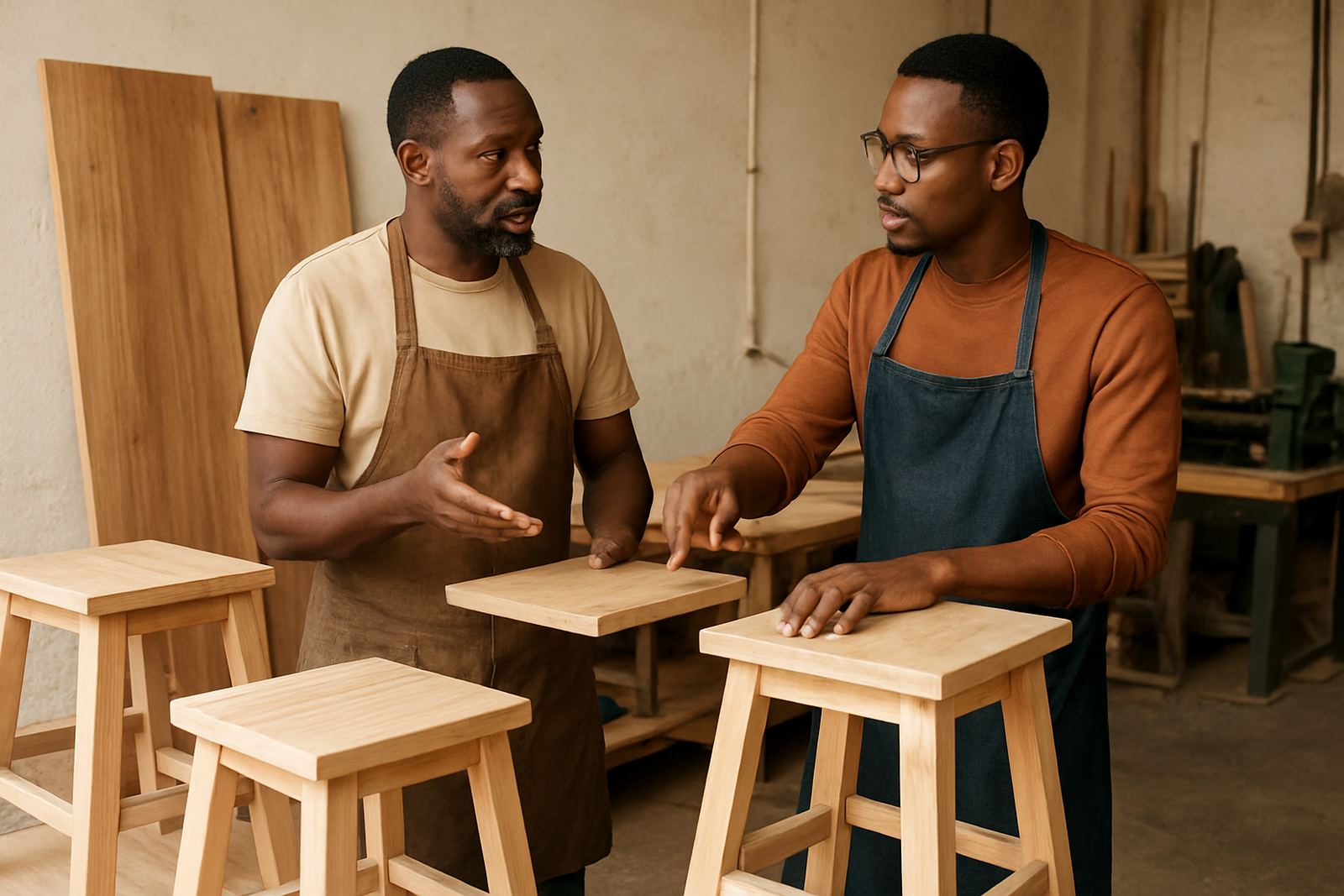
In Braamfontein and across Johannesburg, many product designers work from mixed spaces, shared workshops or home studios. That often means juggling machines, sample materials and storage in limited square metres. If the layout is not thought through, time gets lost looking for tools, moving stock or redoing items that got damaged in transit. A simple, tidy setup usually works better than a cramped one with too much gear.
For this use case, the aim is practical progress. That means getting the product story right, presenting the work clearly, and making sure your process can hold up when a buyer asks about lead times, materials, minimum orders and repeat quality. It also means knowing when the range is ready and when it still needs one more round of testing.
Typical equipment that supports a small-batch product studio
The equipment set depends on the category, but most product designers need a mix of making tools, finishing tools and presentation tools. In small-batch work, a compact setup that can be packed down or shared is often better than a fixed, full-size factory-style layout. Load-shedding is another real factor, so battery backup or manual options can matter more than people expect.
- Work tables with wipe-clean tops for sample assembly and finishing
- Storage shelving for components, packaging and finished pieces
- Basic hand tools for cutting, drilling, fastening and trimming
- Measurement tools, scales and callipers for repeat accuracy
- Lighting for close inspection and clean product photography
- Ventilation for paint, glue or finishing materials
- Portable power support for short outages and safe shutdowns
- Packaging station with labels, tape, boxes and insert material
If you are working with materials that scratch, stain or warp in coastal humidity, you also need dry storage and sensible handling rules. In Durban and Cape Town, for example, moisture can affect paper, wood and some finishes faster than expected. A product studio with the right airflow and storage habits avoids a lot of waste.
How to plan the layout so the work flows properly
A product studio should move in one direction: receiving, making, finishing, photographing, then packing. When those stages overlap too much, pieces get mixed up and the team spends extra time tracing where each sample is. Even in a small room in Newtown or Soweto, a clear flow can save hours each week.
Keep your most-used tools within arm’s reach of the main making surface, and keep packaging away from dust, paint or adhesive work. If you do photo content or product styling in the same room, set aside a clean wall or neutral corner with good natural light. For creator showcases in Johannesburg, buyers often judge the range from images first, so the studio needs a place where the work can be captured properly without rushing.
Noise, ventilation and storage all need to be planned together. If your process includes cutting or sanding, neighbours and venue rules may matter, especially in mixed-use areas. If you work from a shared building, check municipal and body corporate rules on waste removal, operating hours and any fire requirements before you invest in equipment.
What clients usually need before they show the work publicly
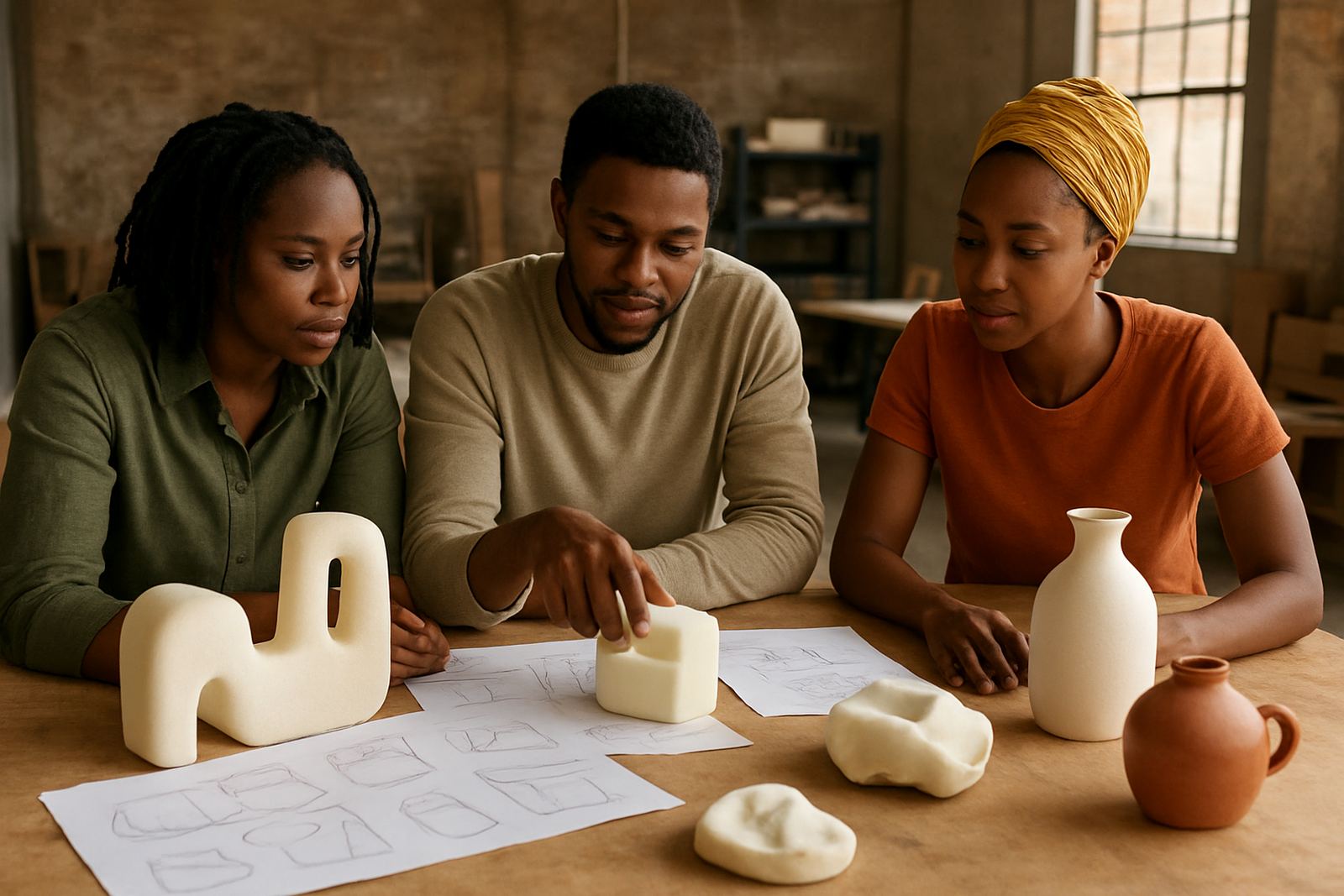
Most product designers come to a community or support network with a half-finished range and plenty of questions. They may have samples, sketches, a few prototypes and a rough idea of pricing, but not yet a clear market-ready package. That is normal. The useful part is identifying what must be fixed before buyers see it.
- A short creator profile that explains the range and who it is for
- Clean product photos with consistent lighting and scale
- Pricing that covers materials, labour, wastage and margin
- Packaging that protects the item in delivery and storage
- Simple order terms, lead times and minimum quantities
- Feedback on finish quality, sizing and repeatability
- Evidence that the range can be made again without drifting in quality
At showcase level, the difference is often in the detail. A mug, tray, lamp or textile piece might be beautifully conceived, but if the finish is uneven or the pricing is vague, buyers hesitate. Product designers need support that makes the offer easier to understand and easier to trust.
Common mistakes that hold product ranges back
One common mistake is overproducing too early. A designer may make 100 units before testing the final finish, only to find the colour varies or the packaging fails in transit. Another is underpricing because the labour time was never properly counted. If you are hand-finishing items, assembly can take far longer than expected and that has to be built into the price.
Another issue is poor record keeping. When samples, materials and customer orders are all mixed together, mistakes happen fast. In practical terms, that means using labels, batch notes and a simple stock system even if the studio is small. It can stay simple, as long as your studio uses it the same way each time.
Some designers also spend too much on equipment before they have demand. It is better to start with the tools that support a repeatable process, then add specialist items later. For many small-batch studios, a measured spend of around R15 000 to R60 000 can cover a basic making and packaging setup, while a more developed workspace with better lighting, storage, finishing tools and backup power may sit between R80 000 and R250 000 depending on the category.
Support that helps the work reach buyers across South Africa and beyond
For product designers, support works best when it is practical and specific. That might mean portfolio feedback on a new range, mentor matching with someone who understands production, or collaboration facilitation that links designers with photographers, stylists and potential stockists. It can also mean help with market readiness, so the work is prepared for showcases in Johannesburg, Cape Town, Pretoria, Durban or online sessions that reach other African cities.
When the product itself is strong, the next step is making sure the message is clear and the presentation is clean. Buyers want to know what the item is, how it is made, what it costs and how long it takes. Creators who can answer those questions well are usually the ones who move faster from interest to actual orders.
At PioCreat Africa, product designers are supported as makers first, with space to test, refine and meet the right people. That practical backing matters when you are building a range that needs to work in the real world, not just on paper or in a sample cupboard.