When your print studio needs more than just equipment
For screen printers, lino artists, etchers and mixed-media makers, the work is only part of the job. You still have to source paper, keep inks consistent, manage drying space, and find people who understand edition sizes, registration and the value of hand-finished work.
PioCreat Africa suits printmakers who are already making but want a stronger network around the process. That might mean meeting other makers in Braamfontein, sharing a stall at a showcase in Pretoria, or joining an online session from Durban or Nairobi when travel costs are too high. The point is practical connection, not talk for its own sake.
Typical printmaking setups we see from members
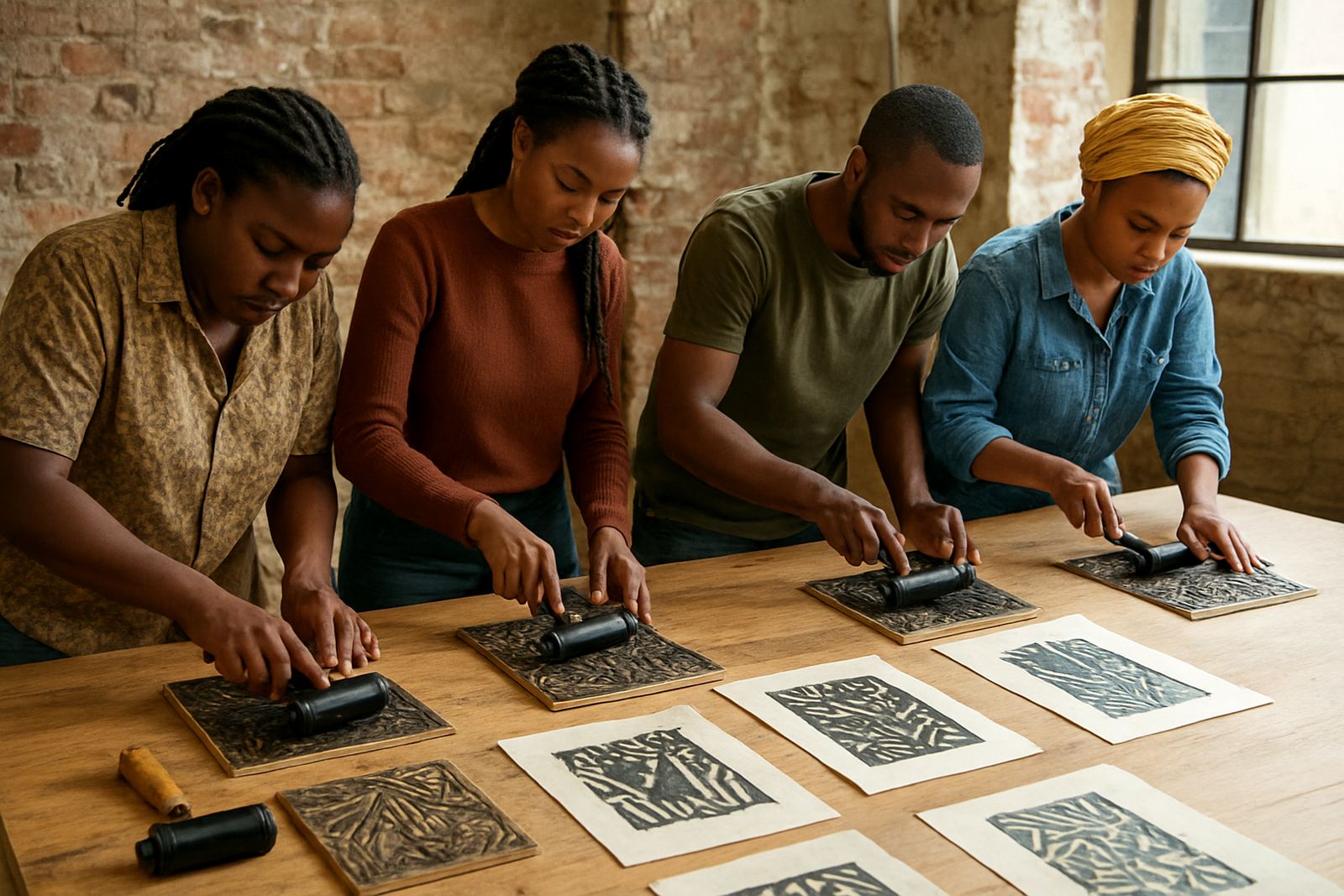
Printmakers usually arrive with a mix of studio tools and mobile gear, depending on whether they work from home, a shared workshop or a small commercial space. Some are screen printers with exposure units and drying racks. Others work with lino blocks, rollers, carving tools and hand presses. Many also carry packaging, labels and sample books for markets and buyers.
- Screen frames, squeegees, inks and reclaiming supplies
- Lino blocks, carving tools, brayers and paper stock
- Heat tools, clips, drying lines and drying racks
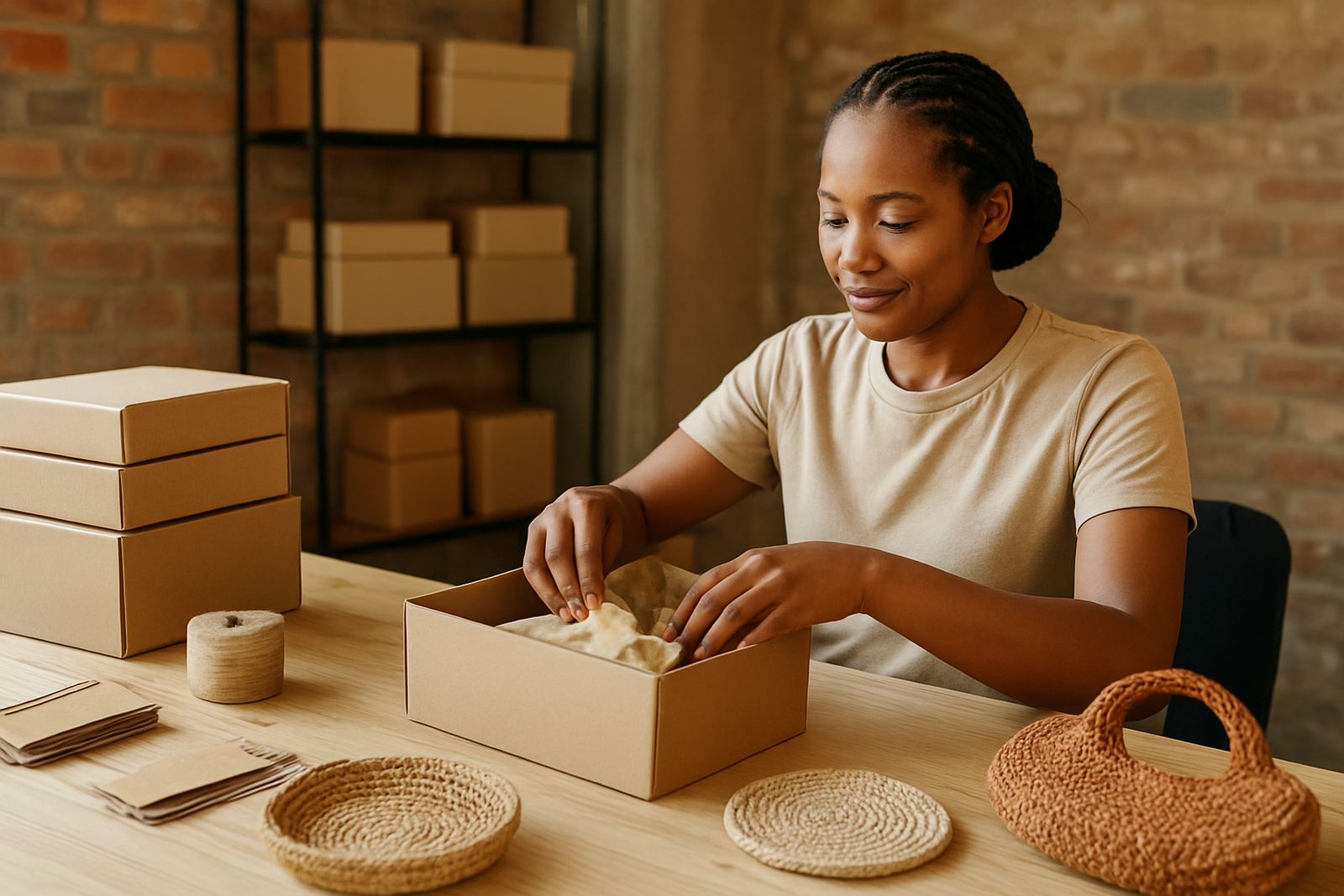
- Edition labels, folders, packaging and courier materials
- Camera or phone kit for documenting final prints
If your setup is small, that is fine. A one-person print practice can still benefit from mentor matching, portfolio feedback and creator profile writing, especially when you want to price editions properly and explain your process clearly.
Layout and planning for showcases, studios and pop-ups
Good print display starts with movement. People should be able to walk past a rack, lean in to inspect paper texture, then step back and see the full image without bumping into each other. In Braamfontein or Newtown, where space can be tight, you need a clean table line, upright display boards and enough room for browsing without blocking the flow.
Plan your layout around three things: viewing, handling and storage. Keep framed work at eye level, flat unframed prints in clear sleeves, and extra stock somewhere easy to reach but not in the way. If you are doing a live demo, leave space for water, waste paper and a safe corner for tools. Load-shedding matters too, so any setup that depends on lights or heat should have a backup plan.
- Use a simple sign that says edition size, paper type and price
- Carry tape, clips, reusable sleeves and a small toolkit
- Leave one surface clear for payments, packing and enquiries
- Protect paper from dust, rain and coastal humidity when moving between venues
Common mistakes that cost printmakers time and money
One of the biggest mistakes is underpricing. A hand-pulled edition is not the same as a single poster, and buyers need to understand the difference. Another is poor record keeping. If you do not track which edition has sold, what paper was used, and whether a print was part of a limited run, it becomes hard to manage your own stock.
Many printmakers also forget that presentation matters as much as the artwork. A curled print in a plastic bag sends the wrong message, even when the work is strong. The same applies to unclear artist statements and weak photography. If your images are dark or uneven, people will struggle to see the detail that makes the print worth buying.
Finally, do not pack too much into one table. If everything is crowded, nothing reads well. Keep the core range visible and store the rest neatly. It looks calmer and helps you speak about each piece with confidence, which is often what gets the sale.
Budget ranges for printmakers working locally
Costs vary depending on whether you are starting from home or upgrading an established studio. A basic small-run screen printing or lino setup can begin at around R3 500 to R12 000 if you already have a good table and basic tools. A more serious workshop with drying racks, storage and stronger presentation materials can move into the R15 000 to R45 000 range.
For showcase participation, many printmakers budget separately for transport, packaging, stall materials and photography. A modest local event might cost R500 to R2 500 once you include printing labels, sleeves and getting work to the venue. If you are travelling between Johannesburg, Pretoria, Durban or Cape Town, add courier or vehicle costs and keep a buffer for last minute changes.
When pricing work, factor in labour, wastage, paper, ink, studio rent and the time it takes to dry, sort and package editions. That bit is often missed, and it chips away at margin quicker than people expect.
How PioCreat Africa supports printmakers across the network
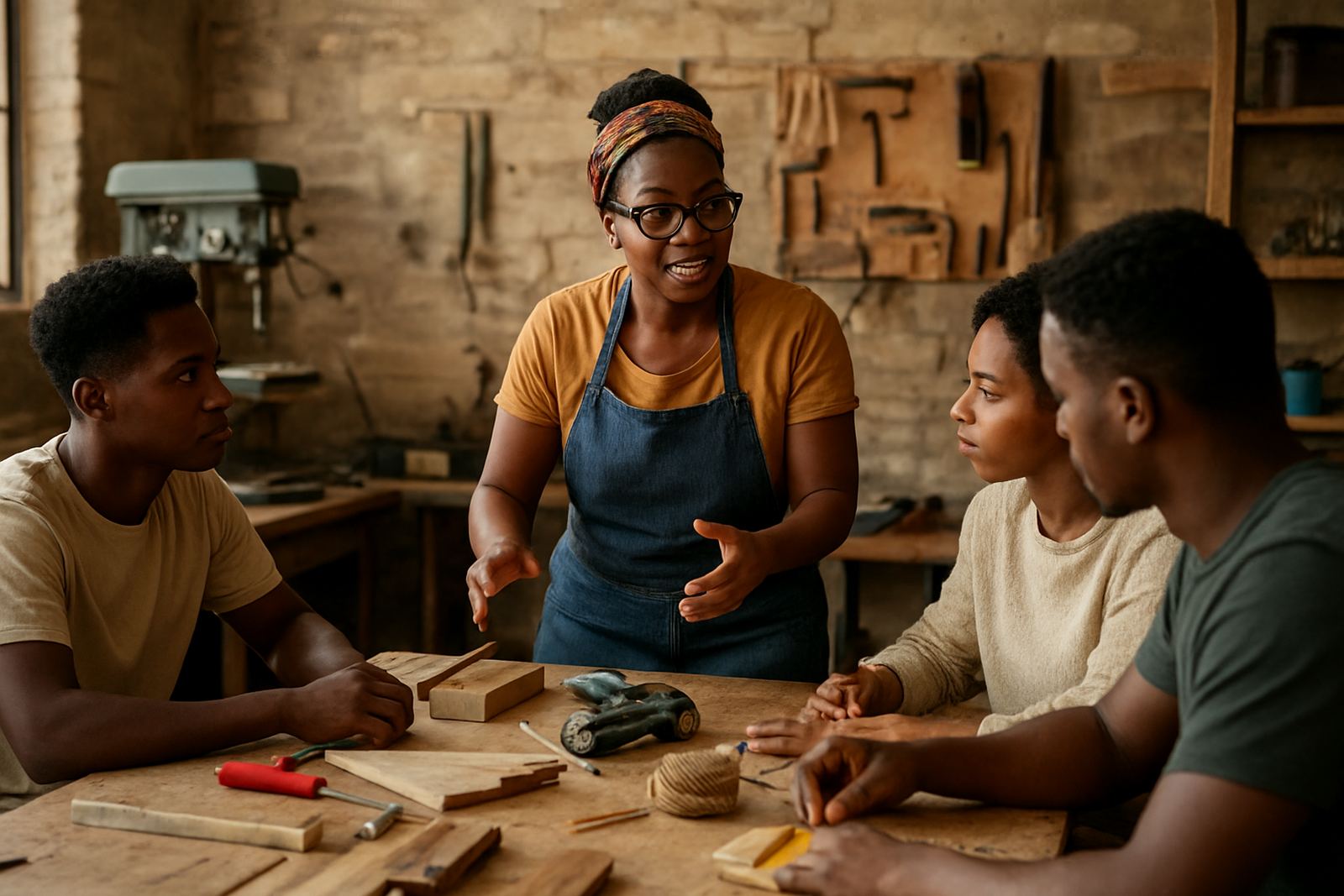
PioCreat Africa gives printmakers a place to be seen and a way to keep building useful relationships. That includes showcase curation, mentor matching, collaboration facilitation, pricing support and online session hosting for members who cannot always travel. A printmaker in Cape Town can still join a discussion with someone in Johannesburg or Nairobi and share methods, supplier tips and sales experience.
For makers who want to grow beyond local circles, the network also helps with portfolio feedback, creator photography, market readiness and creator profile writing. That matters when you are approaching galleries, community spaces, design markets or potential partners who want a clear picture of your work and process.
If you are working with screen, lino or other print methods and want people around you who understand the grind, the drying time and the small wins, this is the kind of community that helps.