When the making is strong, but the business side feels patchy
Many craft entrepreneurs start with a strong product and a clear point of view, then hit the same wall. Sales come in bursts, pricing feels guessy, and there is no simple system for orders, stock, packaging or follow up. A maker in Braamfontein may be selling at weekend markets, through Instagram and by referral, while also juggling a studio, part time help and transport across Johannesburg. That is normal, but it can get messy fast.
PioCreat Africa works with founders who want better structure without losing the heart of their work. Some are product designers, some run small workshop teams, and others are solo creators trying to move from hobby level to proper turnover. The common thread is the need for peer support, honest feedback and access to people who can open doors. We see that especially in city based businesses that must plan around load-shedding, courier cut-offs, stockholding costs and venue rules for public events.
Typical setup for a small craft business
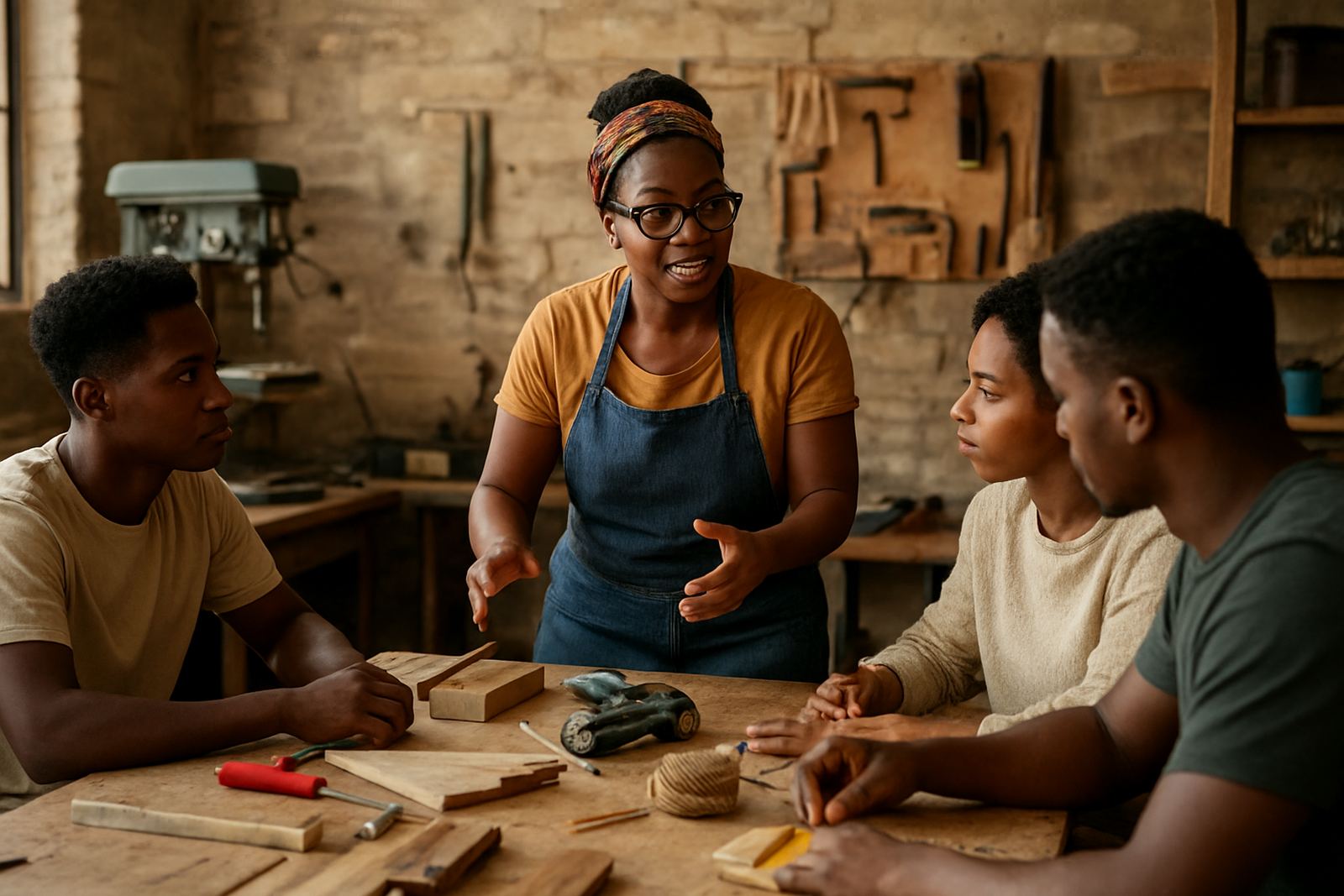
A craft enterprise does not need a huge office, but it does need a working setup that can handle making, packing and sales admin in one place or across a small team. In Johannesburg, many businesses run from a home studio, shared workshop or a light industrial unit in areas like Newtown, Rosebank and Soweto. The right layout depends on what you make, but the basic idea is to keep clean work, dirty work and customer-facing work separate where possible.
- Workbench or folding tables with enough surface for cutting, assembly and packing
- Shelving or stackable crates for raw material, finished stock and sampling
- A reliable light source for evening work during load-shedding
- Basic product photography set-up with a neutral backdrop and tripod
- Label printer or neat hand labelling system for stock, sizes and batches
- Packaging station with boxes, tissue, tape, stickers and delivery notes
- Laptop or tablet for orders, quotes, catalogue updates and invoicing
If you work with ceramics, textiles, leather, wood or printed goods, allow space for drying, curing, sorting or wrapping. Coastal humidity in Durban and Cape Town can affect some materials, so storage matters as much as the making. Keep stock off the floor and away from direct sunlight, heat and moisture where you can.
Planning the room so orders do not trip over each other
The best layout is one that saves steps. If someone is cutting, packing and photographing in the same space, each task needs a clear zone. Put tools you use daily within arm’s reach, and store seasonal or bulk stock higher up or farther back. For a small team, a simple flow from making to quality check to packing to dispatch can save hours every week.
In practice, that means planning for movement. Leave enough space for boxes, bubble wrap, crates and incoming materials so the room does not become a pile-up by Friday. If you host client visits or creator meetups, have a clean corner for samples and portfolio review. A good layout also helps with municipal or landlord rules, especially where noise, fire risk or customer foot traffic may need to be controlled.
- Use clear bins or marked shelves so every material has a home
- Keep a small repair and returns area separate from new stock
- Store price lists, supplier details and size guides in one file or folder
- Make sure your packing area can handle a full order day, not only one parcel at a time
- Leave an open wall or board for calendars, production dates and event deadlines
Where craft entrepreneurs usually lose money
The most common mistake is underpricing. Founders often price only for materials and forget time, waste, travel, packaging, platform fees and the cost of redoing faulty items. Another mistake is making too much before testing demand. A strong product can still sit unsold if the size range is wrong, the finish is inconsistent, or the audience does not understand the value.
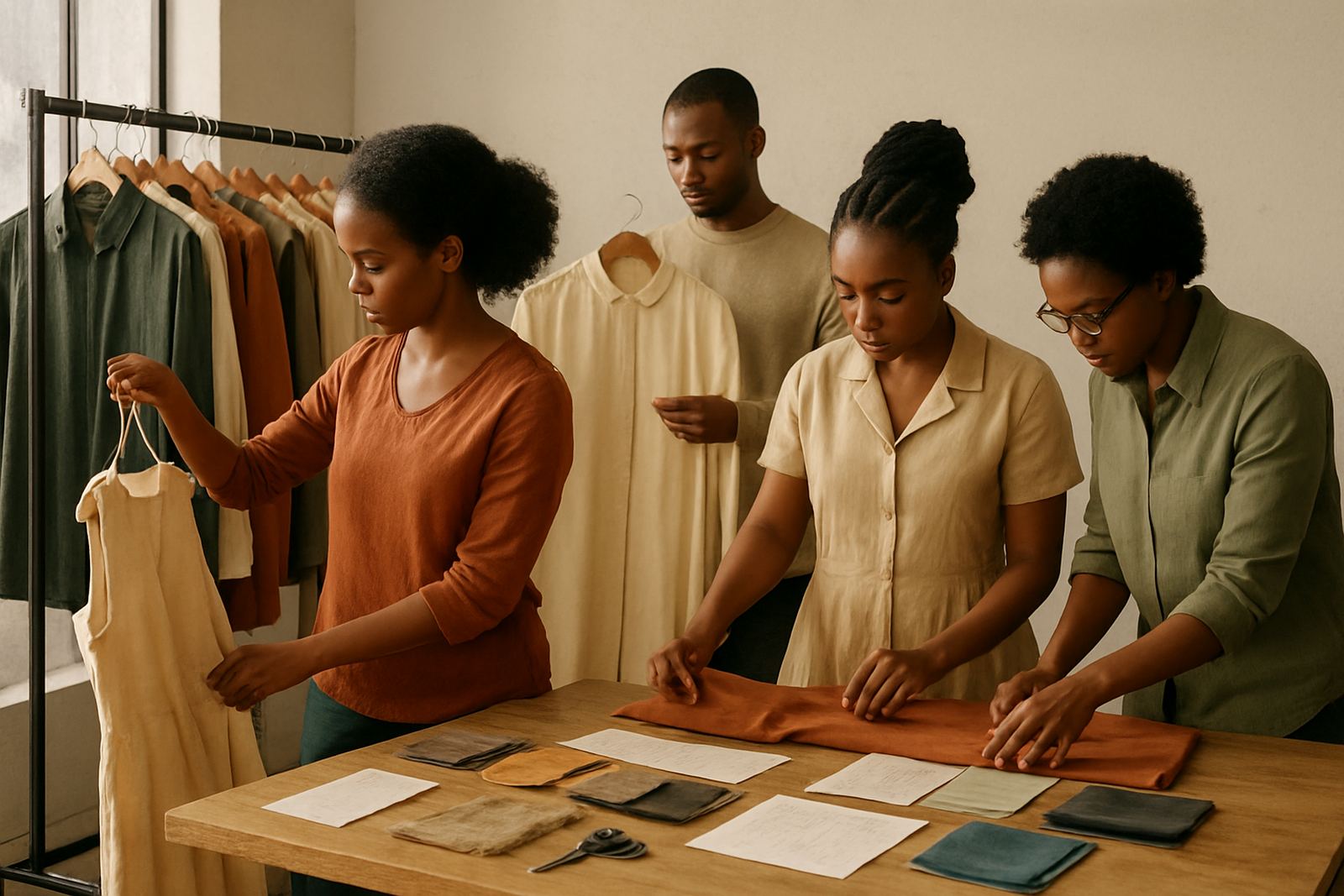
We also see weak presentation holding good work back. Blurry product photos, unclear descriptions and no proper creator profile make it harder for buyers, stockists and collaborators to take the business seriously. Then there is the admin side. If quotes, deposits and delivery dates are handled in messages only, things go missing. That is where market readiness and pricing support help a lot. A small business does not need fancy systems, just ones that are used properly and kept up to date.
Another pressure point is collaboration. Some businesses want partnerships but do not know how to set terms, split costs or agree on who owns what. Clear communication matters, especially when people from different cities are working together online. A simple written agreement can save a lot of frustration later.
Budget ranges for getting market ready
Budgets vary by craft type, but it helps to think in layers. A solo maker working from home may start with a few thousand Rand for packing, lighting and product photography basics. A growing team preparing for showcases and retail conversations may need a larger setup with sampling, display materials and regular content creation.
- Starter improvements: R3,000 to R10,000 for shelving, packing, labels and basic photo equipment
- Small studio refresh: R10,000 to R35,000 for work surfaces, storage, lighting and display items
- Showcase ready setup: R35,000 to R80,000 for professional presentation, sample production and transport support
- Growing team systems: R80,000 plus for stronger stock control, equipment upgrades and regular event production
Spending should match turnover. If the business is still testing products, focus on the tools that improve consistency and sales conversations first. If orders are already coming in, invest in the parts that remove bottlenecks. In many cases, a better packing flow or sharper portfolio does more for growth than another batch of stock.
How PioCreat Africa supports the next stage
PioCreat Africa supports craft entrepreneurs through showcase curation, portfolio feedback, mentor matching, event production, creator photography, product styling, collaboration facilitation, pricing support, market readiness, community partnerships, online session hosting and creator profile writing. That mix matters because growth is not only about making more. It is about being seen well, priced correctly and connected to the right people.
For founders in Braamfontein, Pretoria, Durban, Cape Town, Nairobi and online, the value is in the peer network. You get practical conversation with people who understand timelines, supplier delays, shared studio costs and the pressure of trying to stay consistent. Some members want to sell more. Some want better partners. Some want to tighten their systems before the next showcase. The point is to move with support, not guesswork. A good creative business grows faster when the room around it is giving real feedback, not just applause.