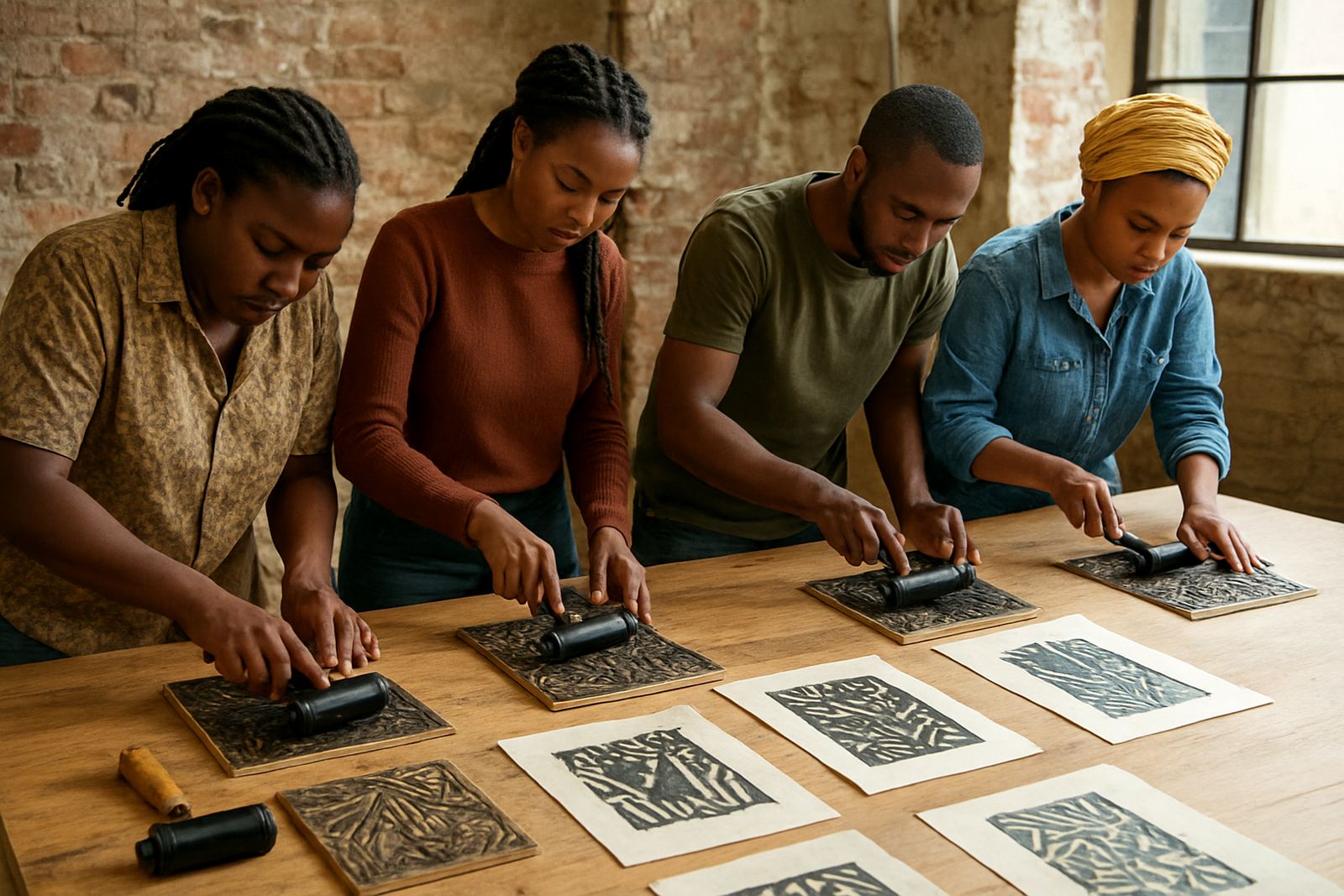

When the brief is about feeling, not just furniture
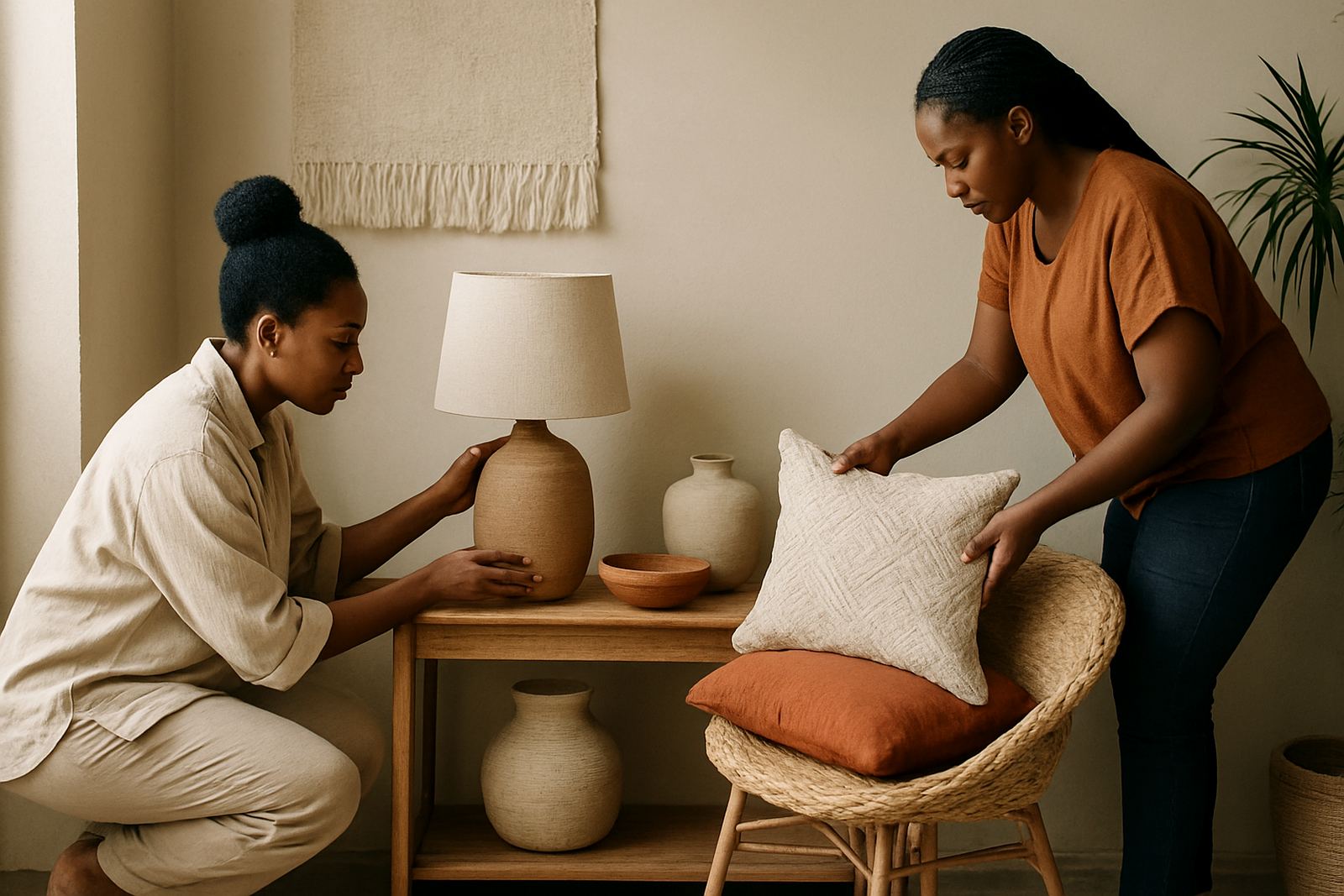
Interior stylists are often brought in when a space needs to tell a clearer story. That can mean a hotel room, showroom, apartment, retail corner or a content set for a product launch. The work is part styling, part planning and part persuasion, because the client needs to see how colour, texture and scale will work together before anything is moved into place.
For stylists working in Braamfontein, Rosebank, Pretoria or Cape Town, the biggest challenge is usually coordination. A shoot may involve suppliers, a photographer, a maker, a florist and a venue manager, all with different timing. PioCreat Africa supports that kind of practical collaboration through meetups, showcase moments and mentor circles where stylists can test ideas and meet people who understand the pace of client work.
Typical equipment set for a styling job
Interior styling does not always need heavy gear, but the basics should be organised and easy to transport. Many stylists work with a mix of sample pieces, fabric swatches and light production tools so they can build a room story quickly on site. In Johannesburg traffic, and especially when load-shedding is in play, a simple, well packed set saves the day.
- Fabric swatches, paint samples and material boards for early approval
- Portable lighting for darker rooms, corridors or evening shoots
- Foldable trolleys, storage crates and labelled carry bags
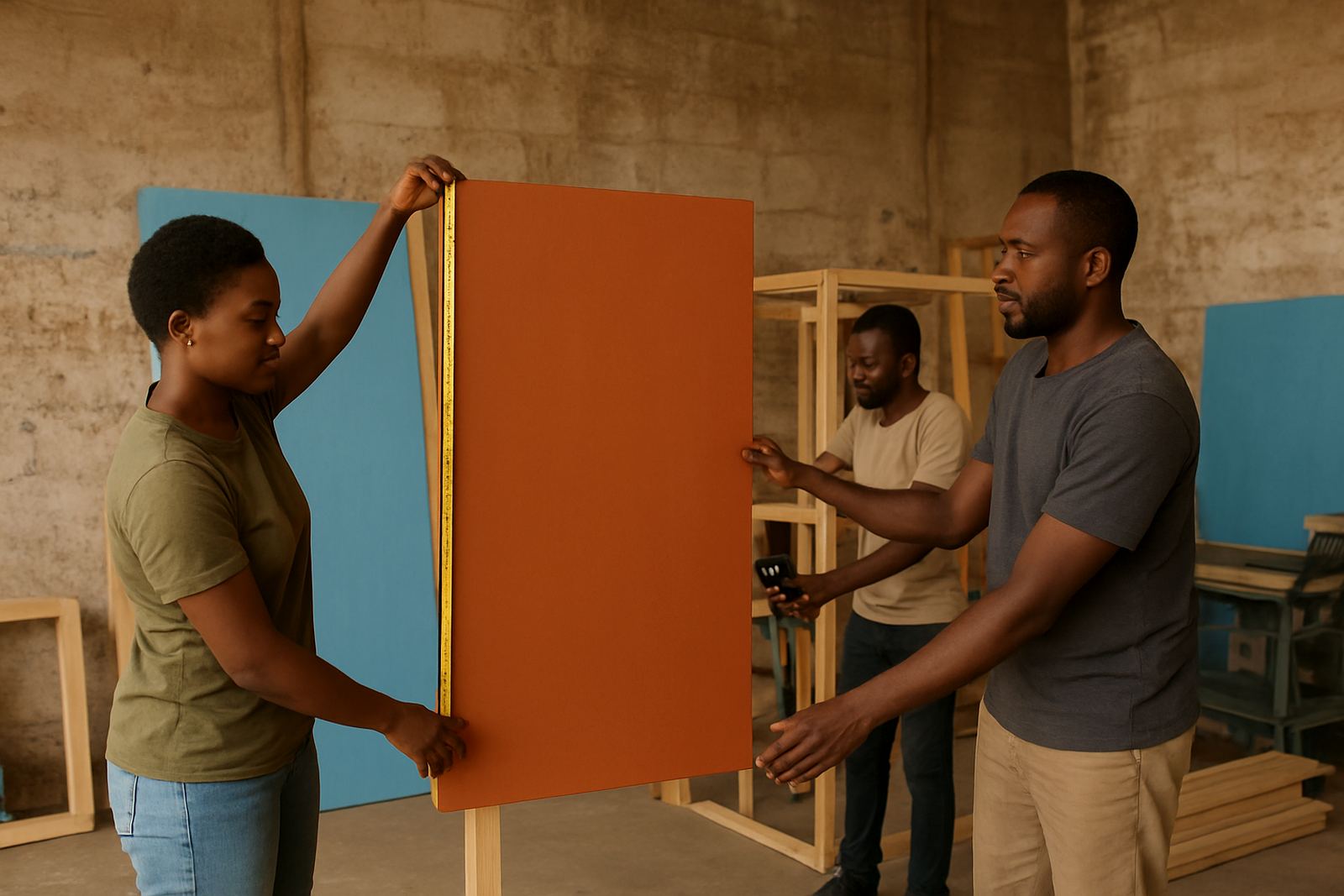
- Measuring tape, spirit level and basic marking tools
- Steamers, lint rollers, cleaning cloths and touch up kits
- Props, soft furnishings and product plinths or stands
For online content or portfolio work, stylists also use a camera or phone with a steady grip, plus a simple backdrop plan for product details. If the room is near the coast, humidity can affect fabric and paper samples, so sealed storage helps keep everything presentable.
How to plan the room story before the first item arrives
Good styling starts before the delivery van turns up. The first step is to confirm the purpose of the space. Is it for a real client handover, a photoshoot, a launch event, or a social media campaign? Each one needs a different level of polish, and the room layout should match the end use.
Work from the largest item down. Check where the focal point sits, how people move through the room and where the light lands during the day. In many cases, the strongest result comes from using fewer pieces but placing them with care. A crowded room can look unsettled, especially when there is a low ceiling or a narrow floor plan.
- Start with one anchor piece, then build around it
- Keep circulation clear for clients, photographers and staff
- Use repeats of colour or texture so the space feels joined up
- Leave room for cables, lamps and practical access points
- Check whether the venue has restrictions on drilling, tape or wall fixing
Common mistakes that cost time and money
One of the most common mistakes is buying for a mood board instead of the actual room. A beautiful object that is too large, too fragile or too hard to transport can slow the whole job down. Another issue is ignoring the realities of the venue, such as uneven floors, poor lighting or limited parking for deliveries.
Stylists also lose time when they skip measurements, forget backup options or assume the client will approve colour from a screen alone. Printed samples and physical swatches still matter, especially when the finish needs to work under warm light or in a space with a lot of glass. A quick site visit can prevent a week of corrections.
- Overbuying props that do not fit the room scale
- Relying only on digital references and no physical samples
- Not planning for transport, packing or damage protection
- Forgetting to budget for labour, cleaning and last minute changes
- Leaving approvals too late, which pushes the install into overtime
Budget ranges in Rand for stylists
Budgets vary by size of space, number of product sets and how much sourcing is involved. A small room refresh or content corner may start around R6 000 to R15 000, especially if the stylist is working with a compact set of props and existing furniture. Mid range projects, such as a three room apartment or a retail display with custom items, often sit between R18 000 and R45 000.
Larger briefs with full sourcing, set build, photography support and multiple install days can run from R50 000 to R120 000 or more. If the project spans several cities, add for transport, accommodation and extra labour. In practical terms, it is better to quote clearly for each phase: concept, sourcing, install, styling, removal and image delivery. That keeps the job transparent and avoids confusion later on.
Where PioCreat Africa fits into a styling career
Interior stylists do well when they stay visible, keep learning and build the right partnerships. Through Braamfontein Chapter meetups, online sessions and creator showcases, PioCreat Africa gives stylists a place to meet product makers, photographers, workshop teams and other creatives who can support real jobs. It is also useful for mentorship, pricing support and portfolio feedback when a stylist wants sharper positioning.
For those working across Johannesburg, Pretoria, Durban, Cape Town or Nairobi, the value is in the connections that lead to actual briefs. A strong styling portfolio is not only about taste. It is also about process and the ability to work well with suppliers, clients and venues. That is where the community side matters most.
- Showcase styling work to a wider audience
- Get mentor matching and portfolio feedback
- Meet possible collaborators for shoots and installs
- Improve creator profiles and project presentation
- Find support for pricing and market readiness