When a shared makerspace needs more than local foot traffic
Many maker hubs start with a strong local group, then hit a wall. The room stays busy, but the same people keep showing up, the guest talks dry up and the space begins to feel inward-looking. For a makerspace in Braamfontein, Pretoria, Cape Town, Durban or Nairobi, that can mean missed chances for new members, partners and paying bookings.
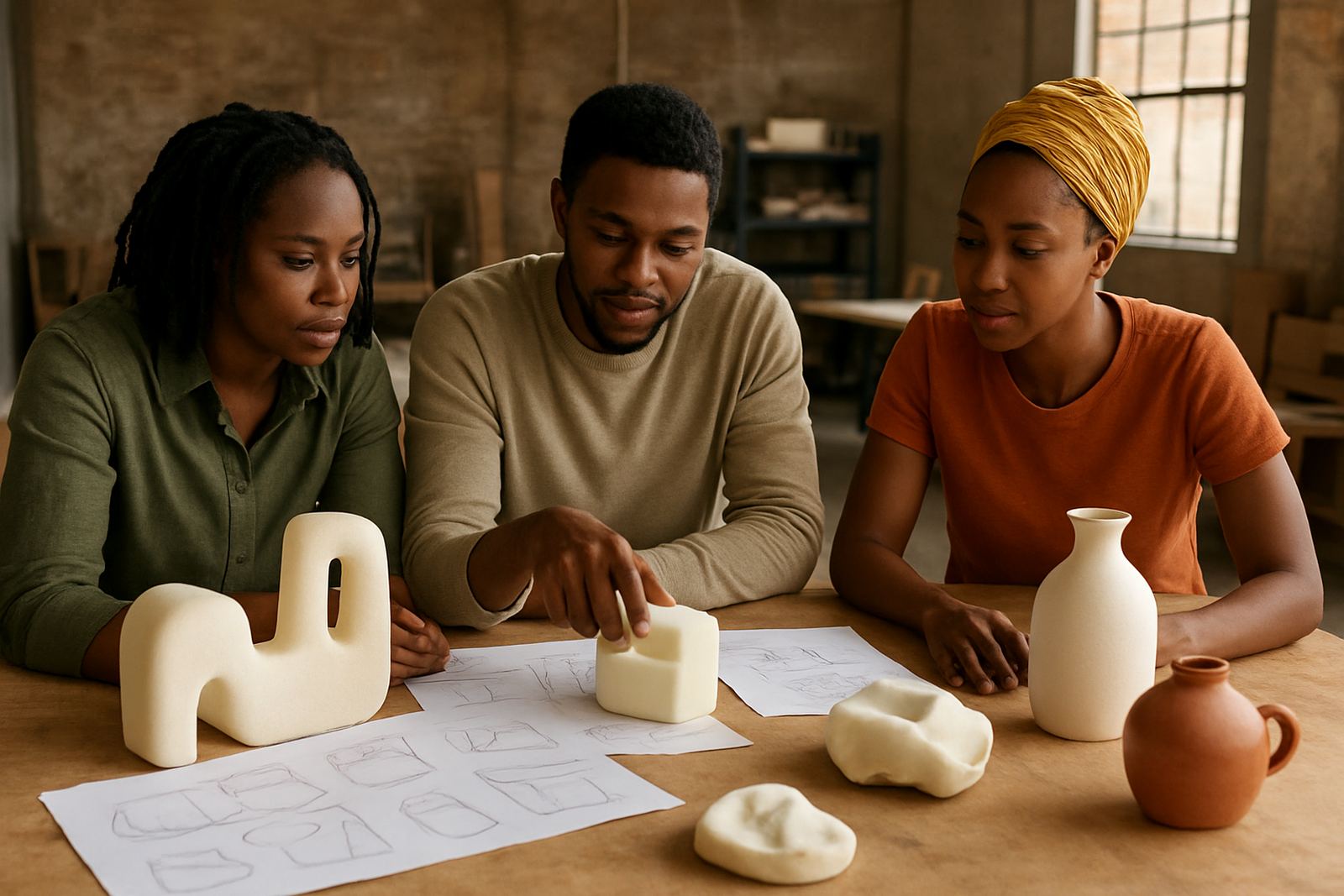
PioCreat Africa works with shared spaces that want a wider network, not just another event on the calendar. The aim is simple: bring in creators from different cities, open up collaboration, and make the space useful to product designers, digital creators, workshop teams and small production groups. That might mean a showcase evening, a mentor circle, a portfolio review session or a maker-to-maker collab call, depending on what your community actually needs.
In practical terms, this helps spaces attract better audiences for talks, stronger turnout for open days and more useful connections between members. It also gives your venue a reason to be seen as a serious community base, not only a room with equipment.
Typical equipment that shapes the programme
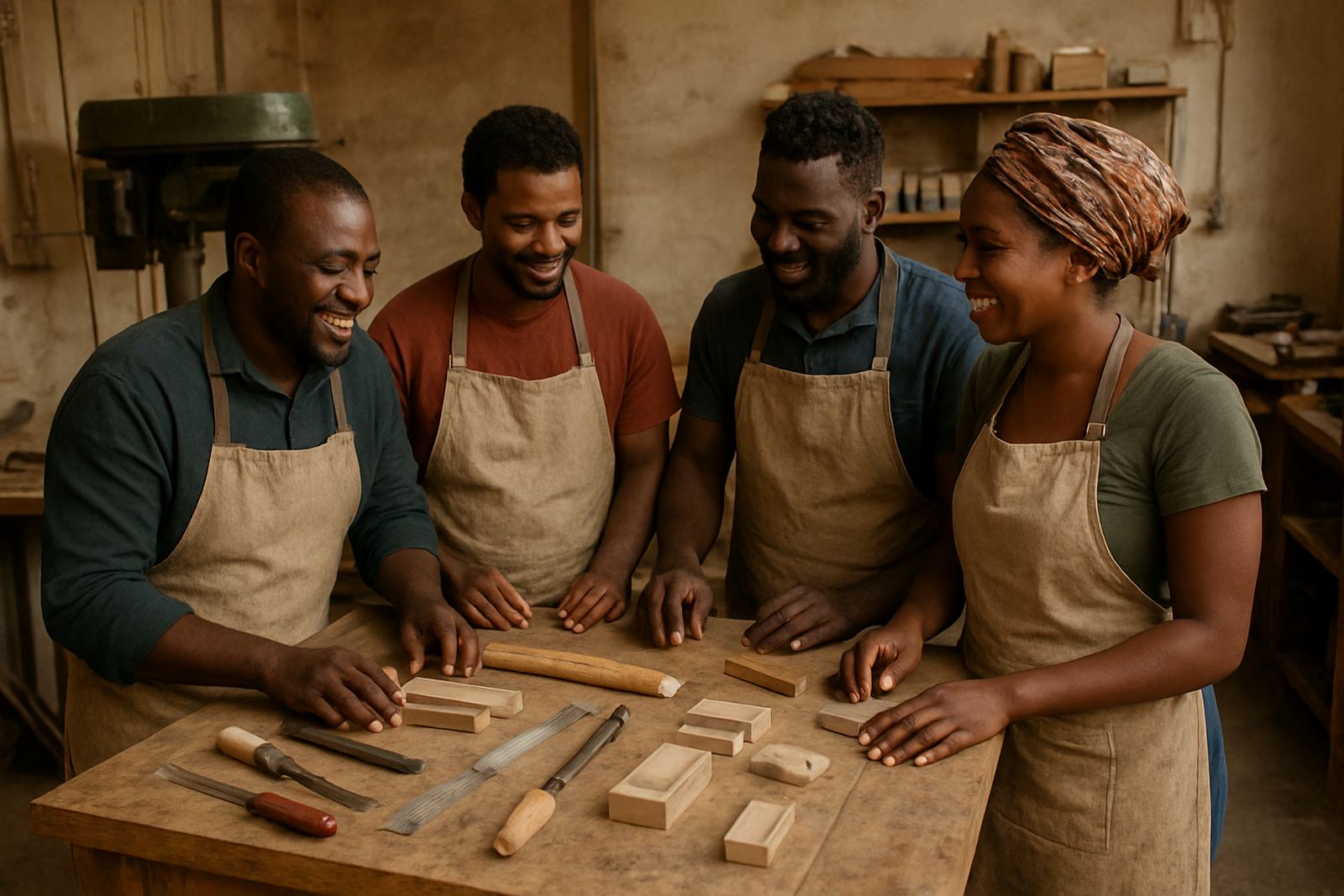
Community makerspaces usually carry a mixed kit, and the equipment list affects both the type of event and the layout. Some rooms are built around light fabrication, others around digital creation, and some need space for both. Before planning a programme, it helps to map what is already on the floor and what should stay clear for safe movement.
- Workbenches, clamp stations and storage for hand tools
- Laser cutters, 3D printers or other compact production units
- Sewing machines, pressing equipment and cutting mats
- Computers for design work, content editing and file prep
- Projection screen or display wall for talks and reviews
- Photo corner with plain backdrops for product and creator images
- Charging points, extension leads and backup power for load-shedding
If the space includes heavier equipment, think about dust control, extraction, cable runs and the noise level during public sessions. Coastal humidity in places like Durban or Cape Town can also affect storage, so materials need to be kept dry and off cold floors where possible.
How to plan the room for public sessions and working time
A makerspace works best when visitors can move through it without interrupting the people who are actually building. That means planning for a clear entry point, a talking area, a making zone and somewhere quiet for one-to-one chats. If the room is too open, the noise carries and the session becomes hard to run. If it is too closed off, people do not connect.
A good setup for community use usually includes folding chairs, movable tables, lockable storage and one area that can switch from workshop mode to showcase mode in under an hour. Keep the front of house simple and easy to reset. In Braamfontein or Newtown, where space is often shared with other tenants, this also helps with access control and evening pack-down requirements.
- Leave one main circulation path from the entrance to the back of the room
- Keep high-risk equipment behind marked zones during open events
- Use signage that is readable from 2 to 3 metres away
- Plan for power cuts with charged lights and a small backup supply
- Separate quiet review sessions from active tool use where possible
For hybrid sessions, set the camera and mic position early, not after the room fills up. That avoids the usual scramble when people arrive and no one can hear the speaker properly.
Events that actually build regional links
Guest speakers are useful, but only when they lead to something practical. A maker space can host a talk about pricing, a design review, a collaboration clinic or a product styling session, then follow up with a small showcase or matching circle. That is where the real value sits. People leave with contacts, next steps and a clearer idea of what to build next.
PioCreat Africa supports programmes that help spaces connect creators across Johannesburg, Cape Town, Durban, Pretoria, Nairobi and online. That might include a local chapter meetup in Rosebank, a mentorship evening in Soweto or a cross-city showcase with members from different countries. The point is to keep the activity useful and to give members a reason to stay involved after the event ends.
For many spaces, the strongest mix is a 70 percent practical session and 30 percent networking. Too much networking and nothing gets made. Too much instruction and people stop coming back. A well-run community makerspace gives both sides room to work.
Common mistakes that drain momentum
Most weaker makerspace programmes fail for the same few reasons. The events are too broad, the schedule changes too often, or the space tries to serve every creative need at once. That usually leads to low turnout and staff fatigue. The fix is not more activity, it is clearer planning and a tighter audience fit.
- Booking speakers who have no link to the local maker base
- Running sessions with no follow-up, so contacts get lost
- Ignoring accessibility, signage and late evening transport issues
- Using a room layout that blocks movement around tools and tables
- Setting prices too high for students and early-stage makers
- Leaving no budget for refreshments, print material or small AV repairs
Another common error is assuming the space will market itself. In practice, good community programming needs regular updates, clear session titles and proof that the room is active. People want to see other makers working, not just a flyer with a date on it.
Budget ranges for community makerspace activity
Budget depends on whether the space is hosting a small internal session or a larger regional showcase. For most South African community makerspaces, a modest monthly programme can start around R7 500 to R15 000 if the venue already has the basics in place. That covers speaker fees, light refreshments, printing, basic styling and some event support.
For a more developed series with photo coverage, mentor matching, stronger production support and a cross-city audience, budgets often sit between R20 000 and R45 000 per month. If you need external equipment, extra staffing or a full evening showcase with multiple speakers, the number can move higher. It is better to plan a realistic range than to underfund the programme and then cut corners halfway through.
Spaces that run regular events should also set aside money for wear and tear. Chairs break, cables go missing and displays need replacing. A small reserve for maintenance keeps the room usable when attendance rises.
How PioCreat Africa helps shared spaces work with other cities
PioCreat Africa is based in Braamfontein, Johannesburg and works with creator communities that want deeper links across South Africa and the continent. For community makerspaces, the value is in making the space feel connected to a bigger network. That includes showcase curation, portfolio feedback, mentor matching, collaboration facilitation, online session hosting and creator profile writing.
The team can help shape a programme that suits your room, your members and your budget. The MD is Thabiso Mokoena, with programme, partnerships, showcase and community support handled by a team that understands how practical community work gets done. If your space wants stronger regional links, better guest sessions and more collaboration between makers, the first step is usually a clear brief and a clean calendar.
Use the enquiry form on the contact page to start the conversation and describe the kind of makerspace you are running, the cities you want to reach and the type of activity you want to grow.