
What the brief called for in Woodstock
The brief came from a Cape Town based creator group that wanted a format with two jobs at once: give people room to show work that was still being refined, and create a public-facing event that felt useful rather than ceremonial. The team wanted honest discussion, a strong sense of local maker culture, and a setup that could handle both in-room attendees and people joining online from Johannesburg, Pretoria and Nairobi.
They also needed the event to feel practical for a mixed audience. Some attendees were founders and product designers, others were students, freelance makers or small workshop teams. That meant the programme had to stay clear, time-bound and easy to follow, with enough structure to keep feedback useful without boxing people in.
Constraints that shaped the programme
Woodstock is active and busy, so the event had to work around sound spill, access needs and the usual weekend traffic around the area. The venue also had to cope with load-shedding risk, patchy mobile signal in parts of the building and enough power for lighting, cameras and a small sound setup. We planned the floor, timing and audience flow with those issues in mind from the start.
- Hybrid attendance with a live room and online session hosting
- Programme time kept to 3 hours 15 minutes, including Q and A
- Clear lighting for product photography and creator profiles
- Space for 18 featured works plus audience circulation
- Back-up power for camera, router and presentation equipment
- Simple signage that worked for walk-in visitors and pre-booked guests
How we shaped the exhibition and review format
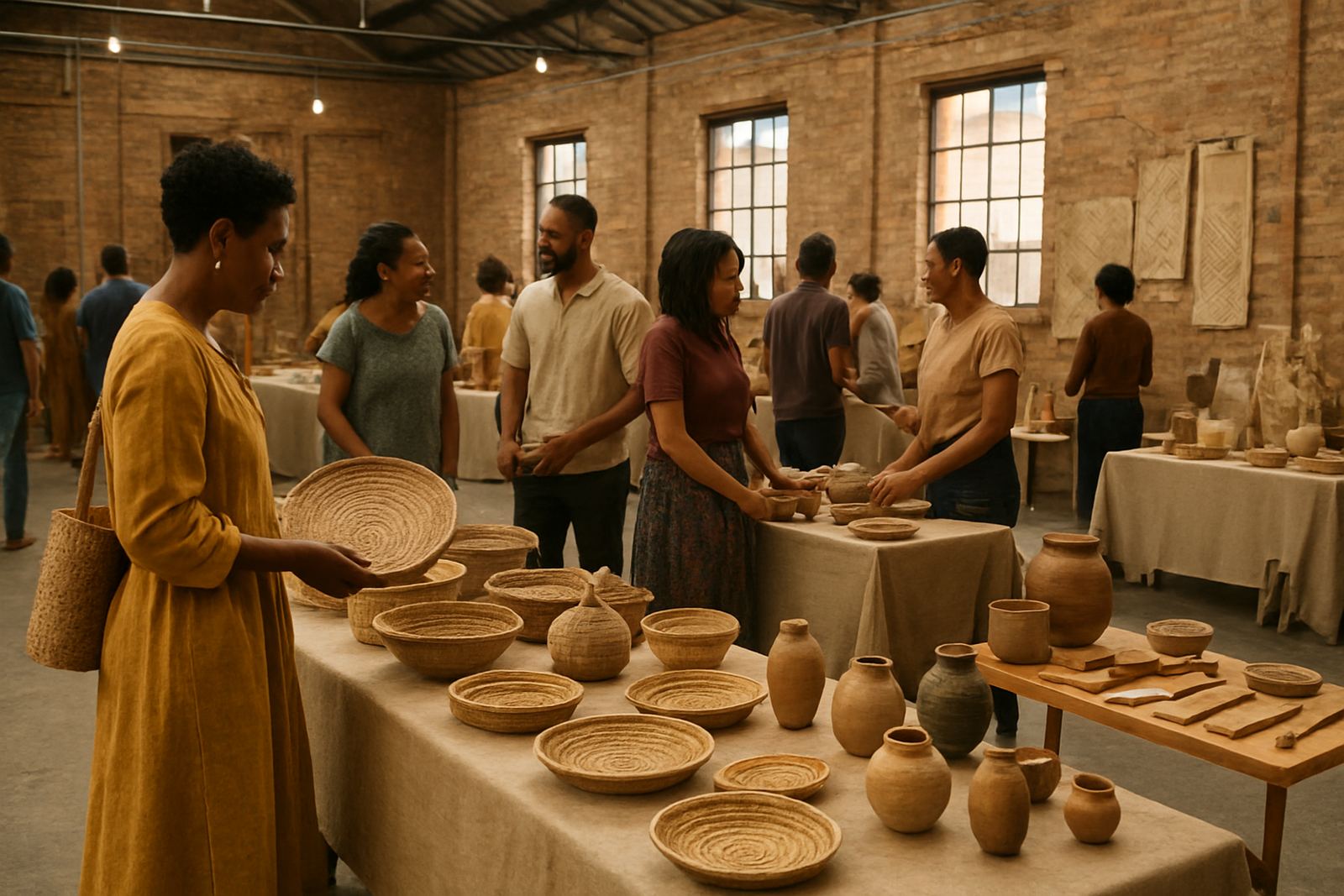
We built the event as a sequence of short review blocks, each one ending with public discussion. That kept the energy up and gave every creator a fair turn. The exhibition side used plinths, wall panels and table displays so work could be seen from a distance and then inspected up close. We also separated fragile items from high-traffic areas, which helped with crowd control and reduced handling issues.
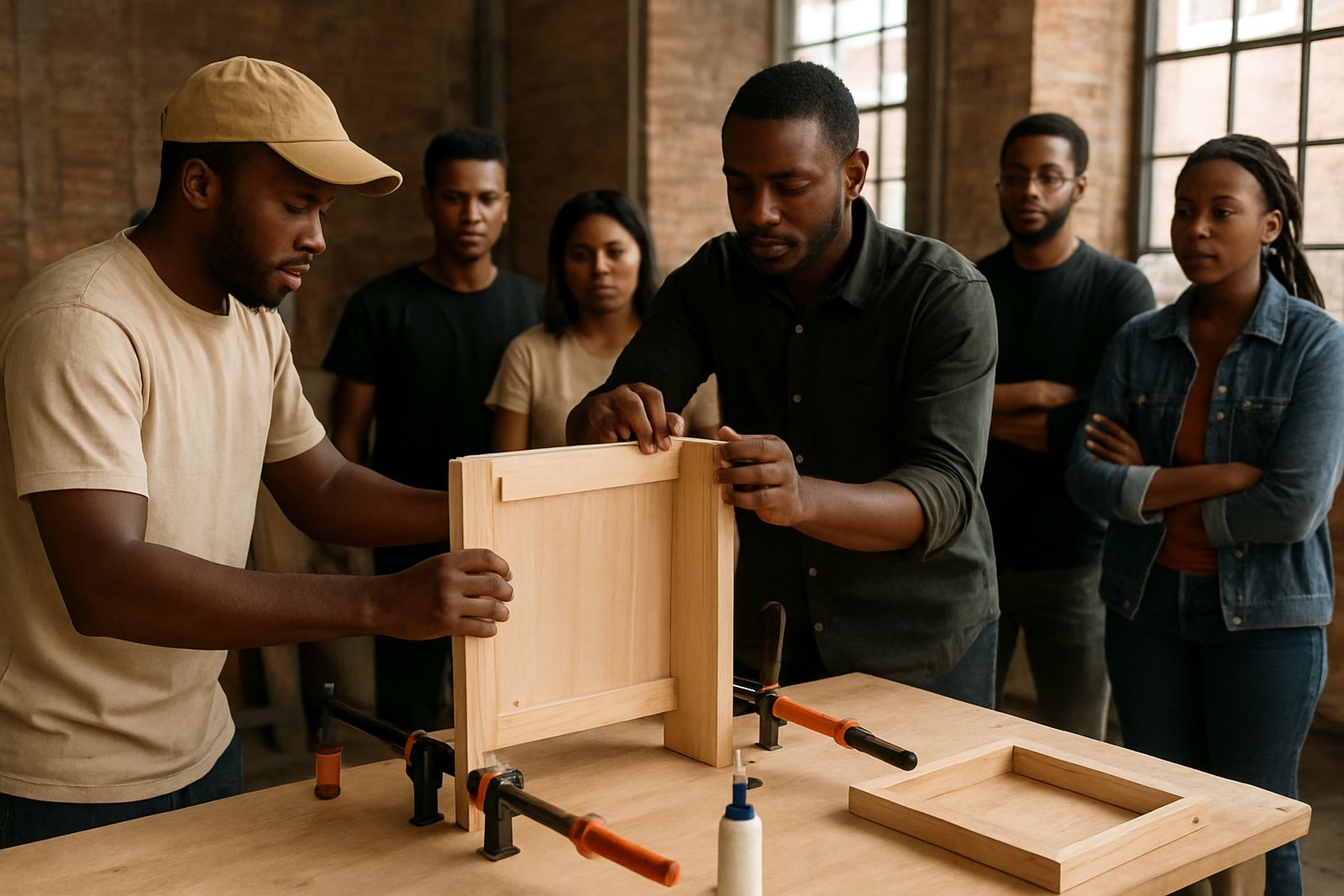
For the review side, we paired creators with mentors and peers who could comment on pricing, market readiness, finish quality and presentation. The aim was not to hand out general praise, it was to give specific notes that people could use on the next prototype or pitch deck. That is where the event became useful for the group, because the feedback had a clear structure and people left with actions.
- Showcase Curation for 18 featured projects
- Mentor Matching across design, product and community work
- Portfolio Feedback for individual creator packs
- Creator Profile Writing for post-event follow up
- Creator Photography and Product Styling for the displays
What we supplied over the four week run-up
The project ran over 4 weeks from first planning call to final wrap. Week 1 was scoping and guest list planning, Week 2 was content collection and creator profiling, Week 3 covered logistics and floor plan finalisation, and Week 4 focused on event delivery plus post-event reporting. The timeline was tight, but the team stayed organised and kept approvals moving.
We supplied the event structure, speaker run sheet, registration flow, display plan and on-site coordination. We also handled collaborations with local partners so the event could reflect the surrounding maker scene rather than sitting apart from it. That included inviting nearby creative studios, community organisations and small suppliers who could add practical value for attendees.
- Run sheet with 12 timed agenda items
- Speaker notes and moderator prompts
- Hybrid check-in process for in-room and online guests
- Display labels, creator bios and session prompts
- Post-event contact list for follow-up partnerships
Results from the day and the follow-through
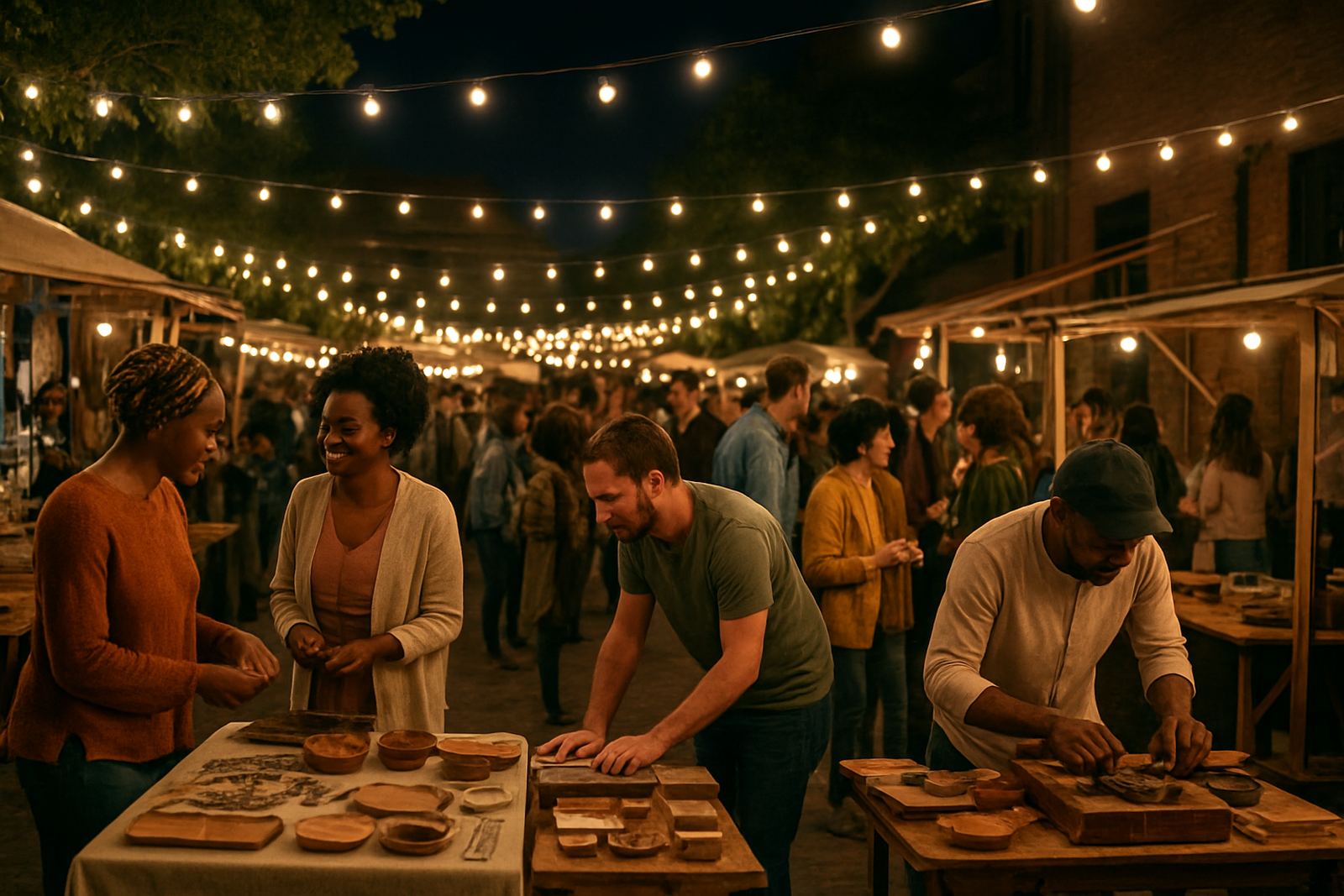
The main result was that people stayed and spoke to each other after the formal review blocks ended. That sounds small, but it matters. The room kept moving between critique, conversation and introductions, which is usually a good sign that the event is doing real work. Several creators requested follow-up mentor sessions, and a few were matched for collaboration after meeting at the showcase tables.
There was also a clear content outcome. The photography and profile writing gave the organisers a usable set of assets for community updates, partner outreach and future chapter promotion. By the end of the week after the event, the team had a tidy record of attendance, session highlights and the next steps for creators who wanted support with pricing or market readiness. No one had to chase loose notes or half-finished feedback forms, which saved time for everyone.
What we would repeat for the next chapter event
We would use the same format again, with a few refinements. The review blocks worked well because they kept the room focused, but we would allow slightly longer networking time between sections so people can speak without feeling rushed. We would also keep the hybrid setup, since it made the event useful for members who could not travel into Cape Town on the day.
The biggest lesson was that creators respond well to a format that respects both craft and business. If the event gives them clear feedback, decent presentation space and a proper way to meet potential partners, the discussion becomes more useful. That is the sort of programme we would carry into other chapter activations in South Africa and across the continent.
Key facts
| Project type | Hybrid review and exhibition event |
|---|---|
| Location | Woodstock, Cape Town |
| Timeline | 4 weeks from brief to delivery |
| Format | Live room plus online session hosting |
| Featured works | 18 creator projects |
| Programme length | 3 hours 15 minutes |