
The brief from a Newtown creative client
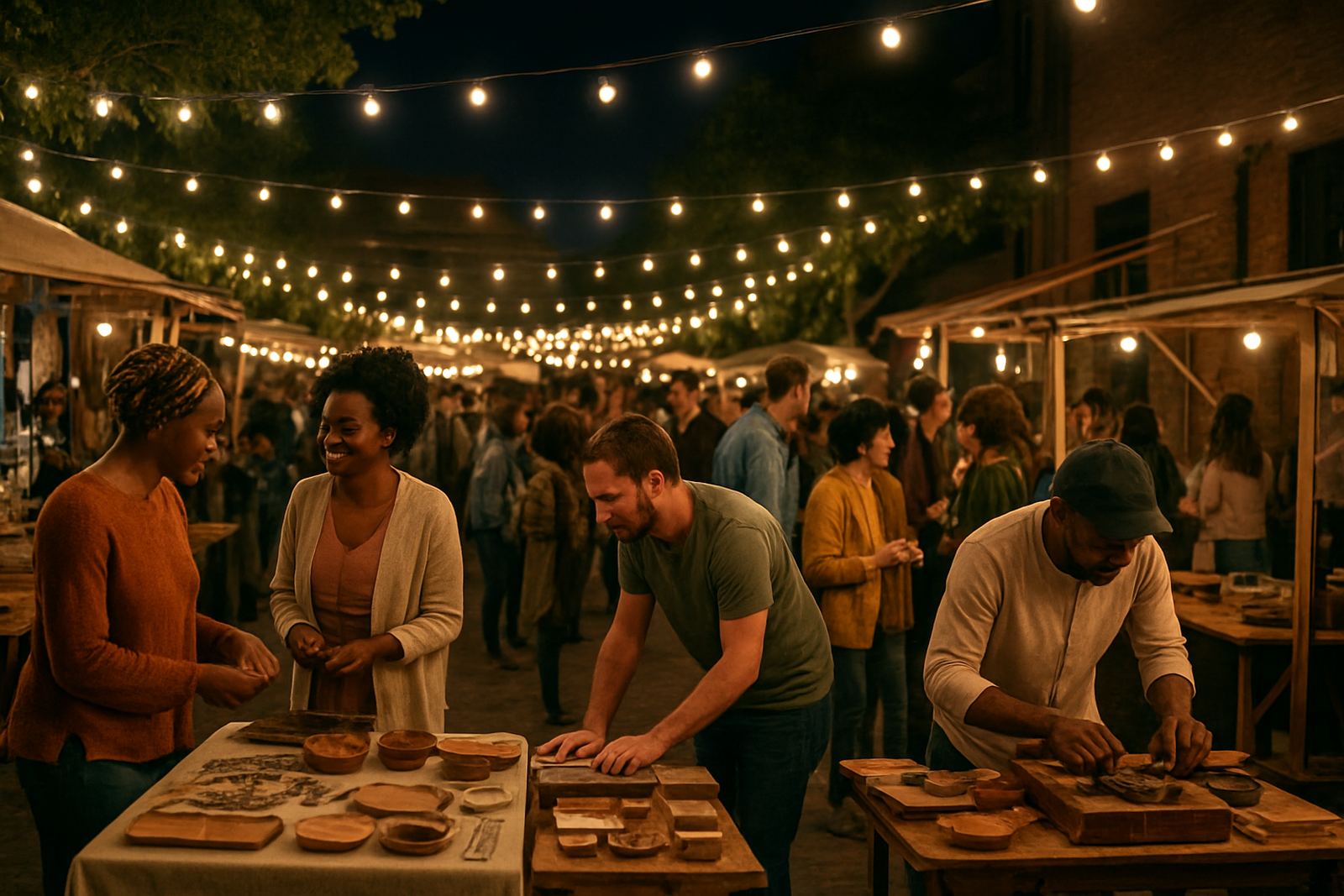
The client was a Johannesburg based creative programme team working in Newtown, with the goal of turning an ordinary trade evening into something that felt local, energetic and useful for makers. They wanted a market that gave product designers, visual artists and small workshop teams a chance to show finished pieces, talk through process, and pick up honest comments from the public. The ask was practical: create a format that brought in the right people, kept the pace moving, and still left room for real conversation.
They were not looking for a loud festival feel. They wanted a grounded evening market that could work on a weeknight, attract foot traffic from the inner city and surrounding suburbs, and support African made work without turning the experience into a hard sell. It also had to suit a mixed audience, from students and young professionals to collectors, community groups and venue partners.
What had to be solved before opening night
Newtown gave us a strong location, but it also came with the usual city pressure points. We had to plan around evening traffic, pedestrian flow, noise levels, load-shedding risk and the need for clear vendor movement in a shared public space. The site needed simple power planning, low glare lighting and a layout that would not feel cramped once the crowd started moving between stalls.
Because the market was set for after hours trading, the timing had to suit both exhibitors and visitors. We built the run sheet around a short setup window, a visible programme flow and enough breathing room for live interaction. The team also needed a way to collect feedback from attendees without slowing the market down. That meant placing the right prompts in the right places, and making sure the market still felt relaxed.
- Location: Newtown, Johannesburg
- Format: Evening market with live creator interaction
- Audience: Makers, buyers, supporters and local visitors
- Main risk points: Load-shedding, crowd movement, city timing and power planning
- Core goal: Discovery, feedback and direct audience connection
How we shaped the market experience
We supplied the market structure, the creator journey and the event flow. That started with a clear site plan that grouped makers by category so people could move easily through the space without blocking one another. We also helped refine the exhibitor selection so the mix felt balanced, with product design, wearable work, visual pieces and small batch goods all represented.
To make the evening useful for the creators, we designed touchpoints for direct feedback. Visitors were encouraged to speak with makers, ask about pricing, materials and lead times, and share what they would buy again. We also supported product styling and creator photography so the work could be presented cleanly, even in lower light. The result was a market that looked considered without feeling overworked.
- Showcase curation for 20 plus participating makers
- Creator photography and product styling support
- Pricing support for visible, easy to read item ranges
- Collaboration facilitation between makers and venue partners
- Online session hosting before the market for prep and alignment
Timeline, from planning to live event
The full project ran over six weeks. The first two weeks focused on scoping, stakeholder alignment and exhibitor selection. In the middle phase we worked on the floor plan, event timing, creator briefing and feedback format. The final two weeks were used for production prep, photography, run sheet finalisation and a live rehearsal of the setup sequence. That rehearsal mattered because it showed where people would naturally stop, where queues might form, and how the market could keep moving without feeling rushed.
On the event night, the team was on the ground for setup, exhibitor arrival, live coordination and close-out. We kept communication tight and practical, with one clear chain of command for the floor, one for the programme and one for partner coordination. It helped the market stay calm when the crowd built up, and it kept small issues from becoming bigger ones.
What the evening produced on the ground
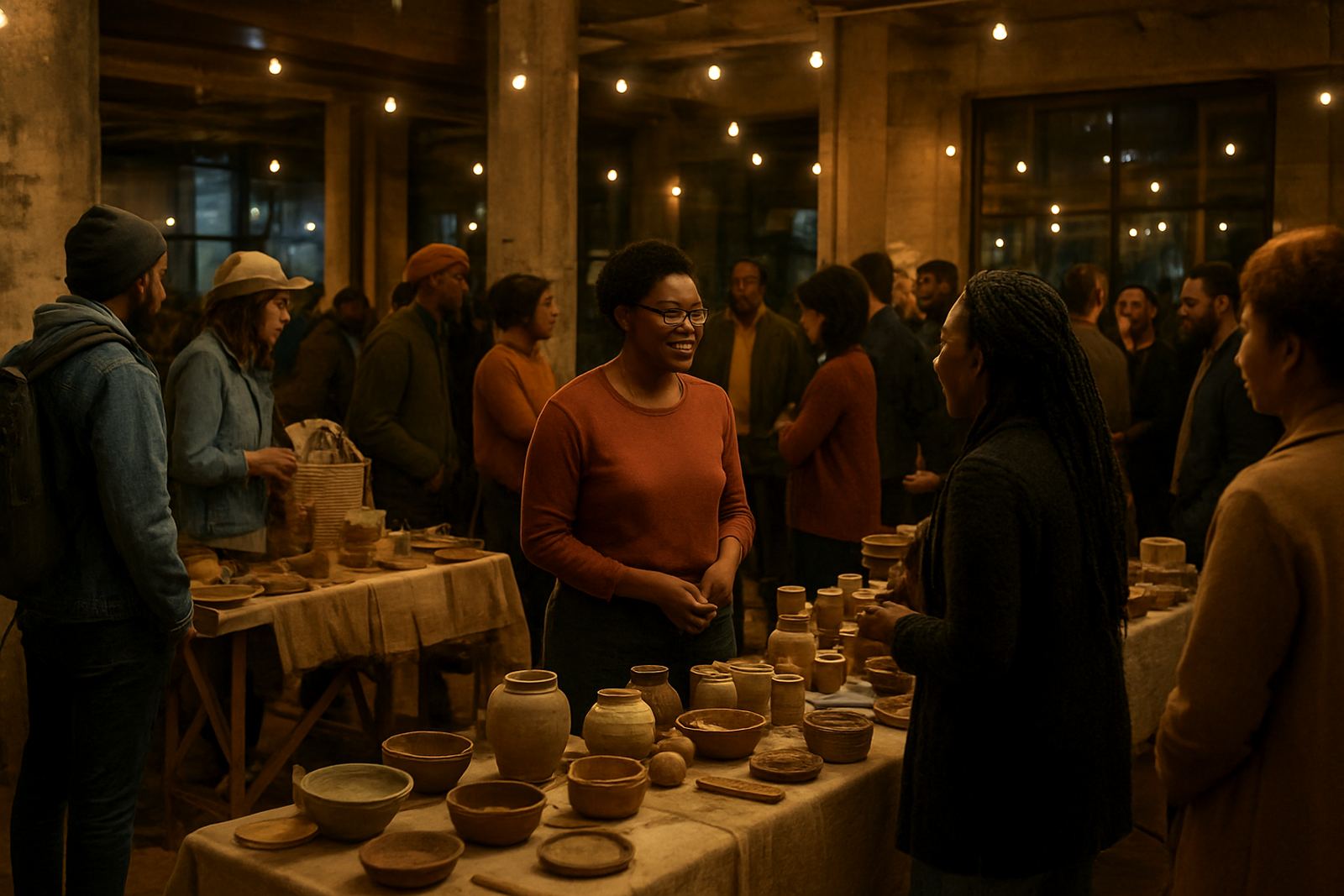
The strongest result was that people stayed long enough to talk. That sounds simple, but for a night market it is the difference between passing trade and meaningful exchange. Makers were able to explain their process, test prices, hear what people noticed first and learn which items got the most attention. Several exhibitors also used the evening to open follow-up conversations about stock, custom work and future collaboration. There was a visible energy in the room, but it remained practical and people focused.
Feedback from attendees showed that the market format felt approachable. Visitors appreciated seeing work from different parts of the creative economy in one place, and they responded well to the direct access to the people behind the work. For the client, the main value was not just turnout. It was the quality of the conversations and the number of useful contacts made in one night.
- Better audience interaction than a standard stall market
- Clearer pricing conversations between makers and buyers
- Useful follow-up leads for collaborations and repeat sales
- Stronger visibility for African made work in a city setting
What we would repeat for the next edition
If we were doing the Newtown Night Market again, we would keep the evening format, the creator mix and the direct feedback model. Those elements gave the market its value. We would also keep the tighter layout control, because it helped the audience move with purpose and gave each exhibitor enough room to be seen. A shorter setup window, paired with a stronger pre-event briefing, would make the day even smoother.
We would build in even more room for post-event capture, especially around creator interviews, audience comments and simple content that can be used across the wider programme. That kind of material helps the market live beyond the night itself. For a city like Johannesburg, where people are already moving quickly, a well paced evening market gives makers something they can actually use, not just a nice crowd and a few photos.
For PioCreat Africa, the project confirmed that community driven trade works best when it is organised with care and kept close to the people who make the work. That is the kind of event we would gladly run again, with small refinements and the same practical spirit.
Key facts
| Project | Newtown Night Market |
|---|---|
| Location | Newtown, Johannesburg |
| Timeline | 6 weeks from scoping to live delivery |
| Format | Evening market with live creator interaction |
| Audience | Makers, buyers, supporters and local visitors |
| Key services | Showcase curation, event production, creator photography, pricing support and collaboration facilitation |