What the Soweto brief asked for
The client was a community arts and maker collective in Soweto looking for a one-day craft exchange that felt local, practical and welcoming. The aim was not a glossy fair with no follow-through, but an event where makers could meet buyers, speak to other creators and leave with clearer next steps for their work.
The brief called for a format that could suit handmade products, small-batch goods and creative services in the same programme. We also had to keep the setup manageable for a Soweto venue, with simple logistics, clear wayfinding and enough structure so first-time exhibitors would not feel lost.
- Project type: community craft exchange and creator showcase
- Location: Soweto, Johannesburg
- Audience: local makers, nearby buyers, creative peers and community partners
- Format: talks, display tables, feedback moments and informal networking
Practical limits on the day
The main constraint was making the event work with a mixed group of creators and limited prep time. Some makers had finished stock ready to sell, while others had samples, prototypes or half-complete ranges that still needed framing. That meant the event structure had to support different levels of readiness without making anyone feel second-rate.
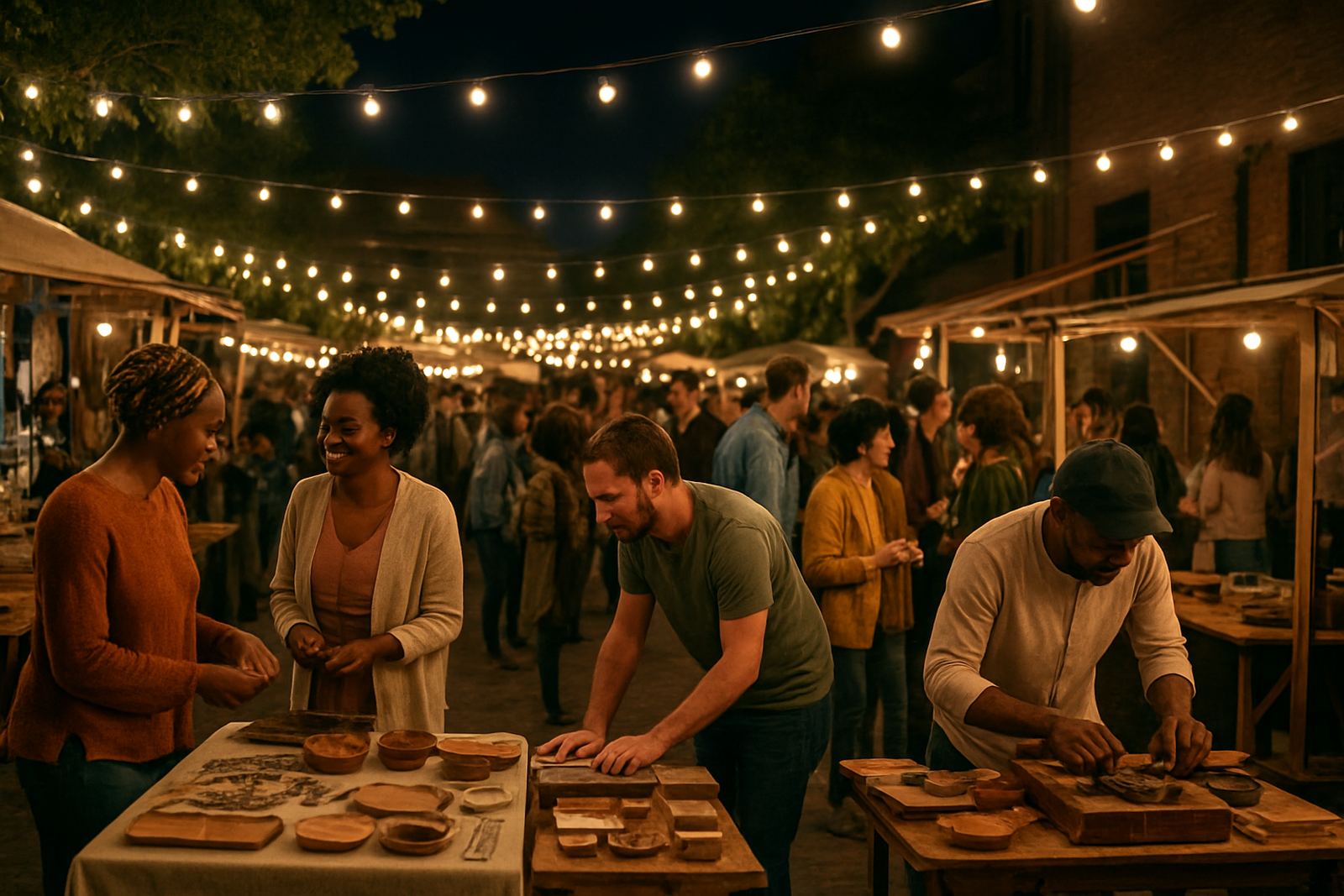
We also planned around load-shedding risk, set-up timing and the realities of a busy township venue. Power backups were kept simple, signage had to be visible from a distance and the flow needed to handle people arriving in waves, not all at once. It sounds basic, but those details matter when you want the day to run without stress and without a scramble.
- Week 1: project scoping, audience definition and venue walk-through
- Week 2: creator intake, display planning and content scheduling
- Week 3: final run-sheet, production checks and presenter coordination
- Event week: setup, live delivery and same-day support
How we shaped the exchange
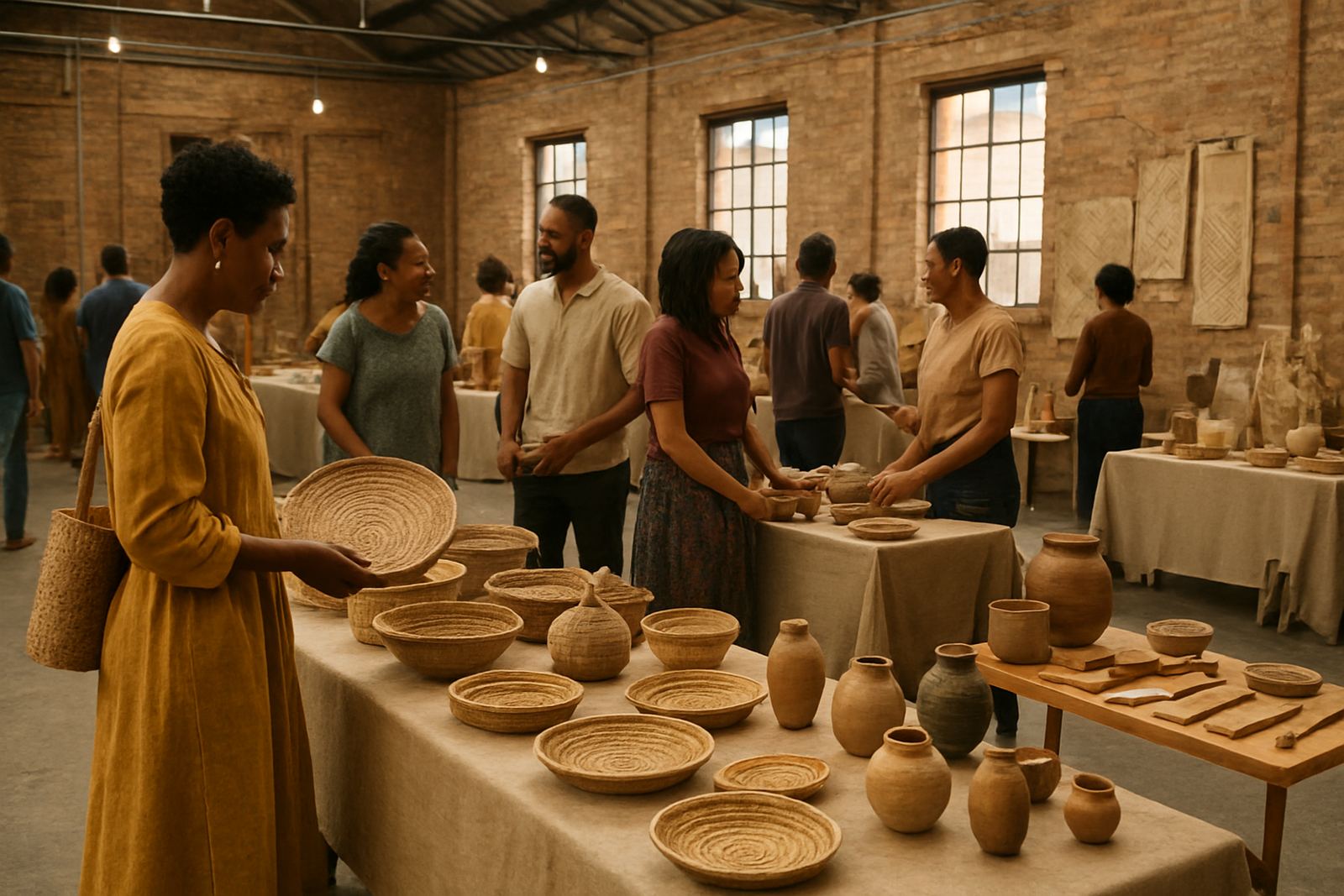
We supplied the event structure, creator support and content flow for the day. That started with selecting the right mix of makers so the room felt varied but still coherent. We grouped crafters by product type and use case, which helped visitors understand the range on show and made comparison easier for serious buyers.
We also prepared the programme around three simple moments: browse, listen and connect. Visitors could walk the displays, join short mentor-led conversations and then follow up with creators afterwards. The result was a programme that felt organised without becoming stiff.
- Showcase curation for makers with different product categories
- Portfolio and product feedback for selected exhibitors
- Creator profile writing for event handouts and online posts
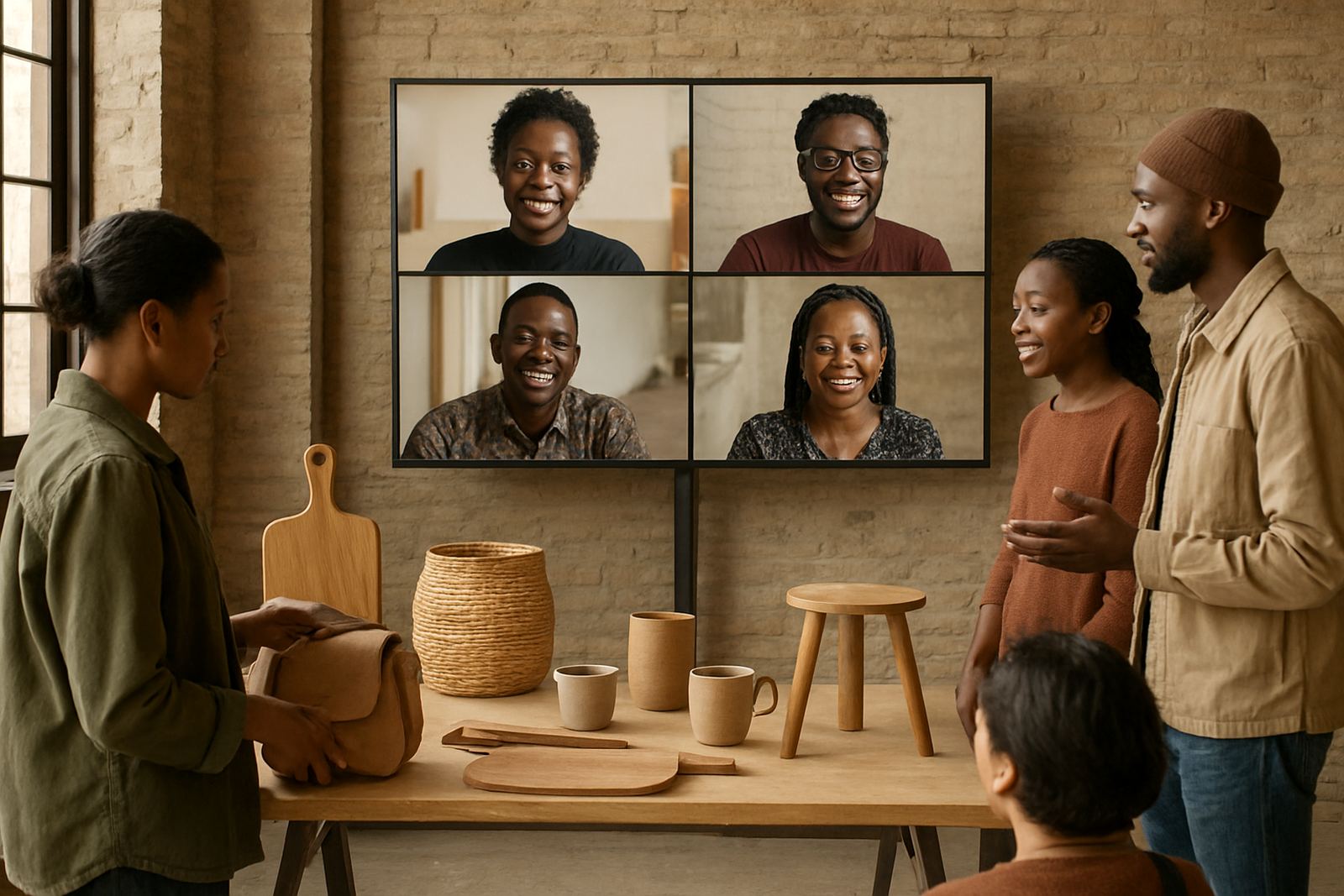
- Collaboration facilitation between makers, designers and workshop teams
- Creator photography and product styling for clean presentation
Presentation that respected the work
For a craft exchange like this, presentation has to support the product, not distract from it. We worked on table layouts, object spacing, label clarity and the placement of each creator so the space felt balanced. Handmade work needs room to breathe, whether it is ceramics, textiles, accessories or small wood pieces.
Photography was handled to capture both the objects and the makers behind them. We kept the images straightforward and usable for post-event promotion, media follow-up and future partnership pitches. No overdone styling, just clear product detail and people who looked like they belonged in the room.
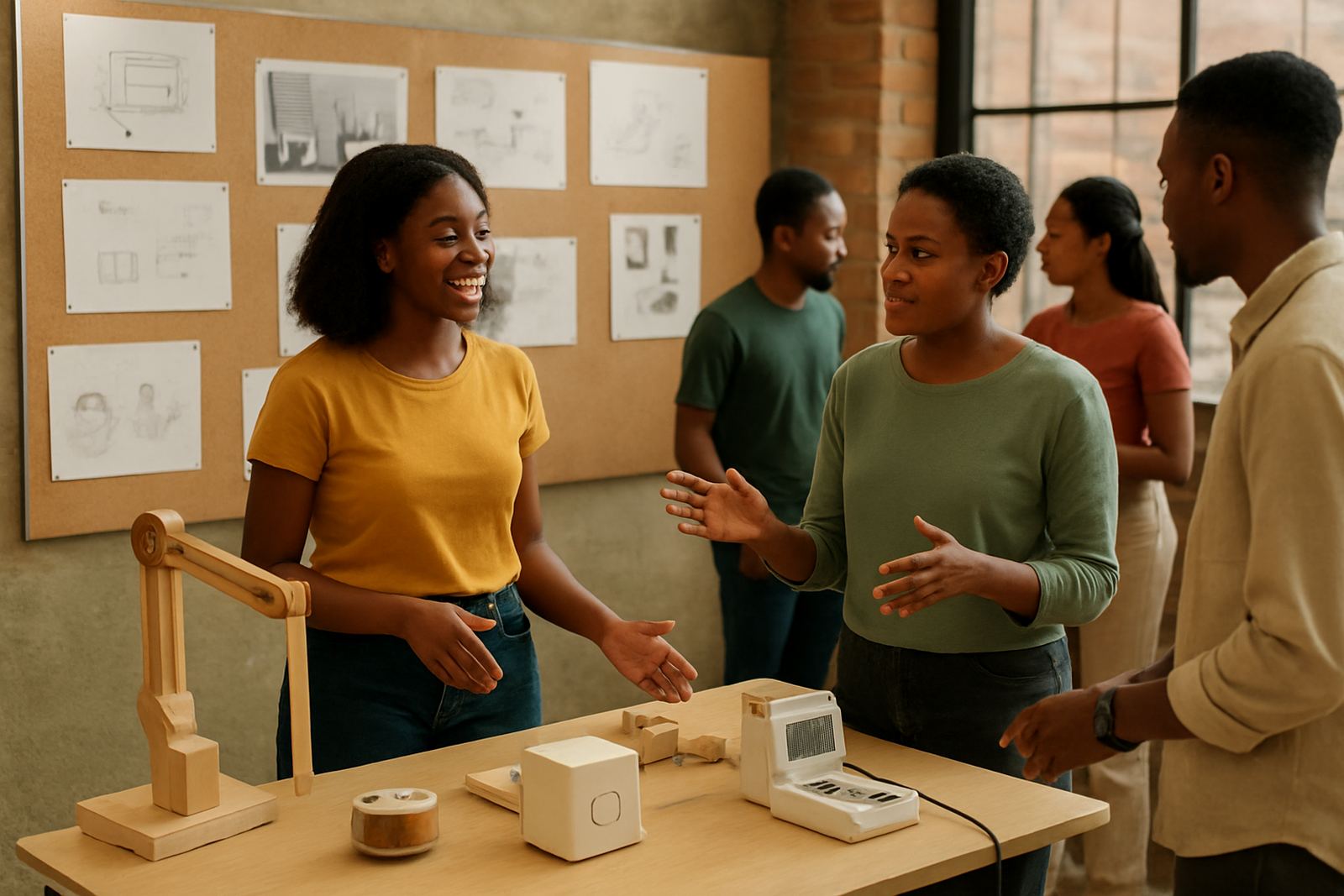
The mentorship element was built into the day too. Makers could ask about pricing, stall setup, market fit and what would make their range easier to stock or order in future. One or two conversations became proper leads, which was the point from the start.
Results that lasted beyond the event
The Soweto Craft Exchange gave local makers a working platform, not just a crowd for one afternoon. Exhibitors left with new contacts, better wording for their products and stronger confidence in how their work could be presented to buyers and partners. A few of the creators also made useful links with people from outside Soweto, which helped widen the room beyond the immediate neighbourhood.
For the client, the result was a better understanding of what kind of support creators actually need at community level. The event showed that a maker programme can be both social and commercially useful if the details are handled properly. It also proved that a smaller, well-run exchange can carry more value than a bigger event with no structure.
- Stronger visibility for local makers
- Better product storytelling for exhibitors
- Useful introductions to buyers and fellow creators
- Clearer next steps for future community events
What we would do again
We would use the same basic model again for a Soweto maker event, with a few refinements. First, we would keep the creator intake tight so the product mix stays useful and the floor feels intentional. Second, we would build in more time for mentor circles, because that is where the real questions come out and people open up a bit more.
We would also repeat the simple format of display, conversation and follow-up. It works because it gives creators room to show their work properly, while still leaving space for people to ask questions and make plans. For a community-centred exchange, that balance matters more than shiny extras.
If the next edition ran over two days, we would add a deeper market-readiness session and a small collaboration call for makers who want to bundle products or test shared orders. That would give the exchange a stronger after-effect and make it easier for the right connections to continue after the venue clears.
Who handled the work
This project sat within PioCreat Africa’s community and events work in Braamfontein, with support from the wider network across Johannesburg. The delivery team included programme planning, partnerships, showcase production and digital coordination so the event could move from idea to execution without gaps.
The work drew on the same practical approach used across our creator programmes in Pretoria, Cape Town, Durban and online sessions: keep the brief clear, support the people in the room and make sure the event leads somewhere useful afterwards. That is the kind of work we prefer, and it suits Soweto well.
- Base: Braamfontein, Johannesburg
- Project area: Soweto
- Delivery style: community-centred, maker-first, follow-through focused
- Audience reach: local and cross-city creator networks
Key facts
| Project | Soweto Craft Exchange |
|---|---|
| Client type | Community arts and maker collective |
| Town | Soweto, Johannesburg |
| Timeline | 3 weeks planning plus event week delivery |
| Event format | Craft showcase, mentor circles, networking and feedback |
| Core outputs | Curation, creator photography, profile writing and collaboration support |