How the Maboneng Design Show Brief Was Set
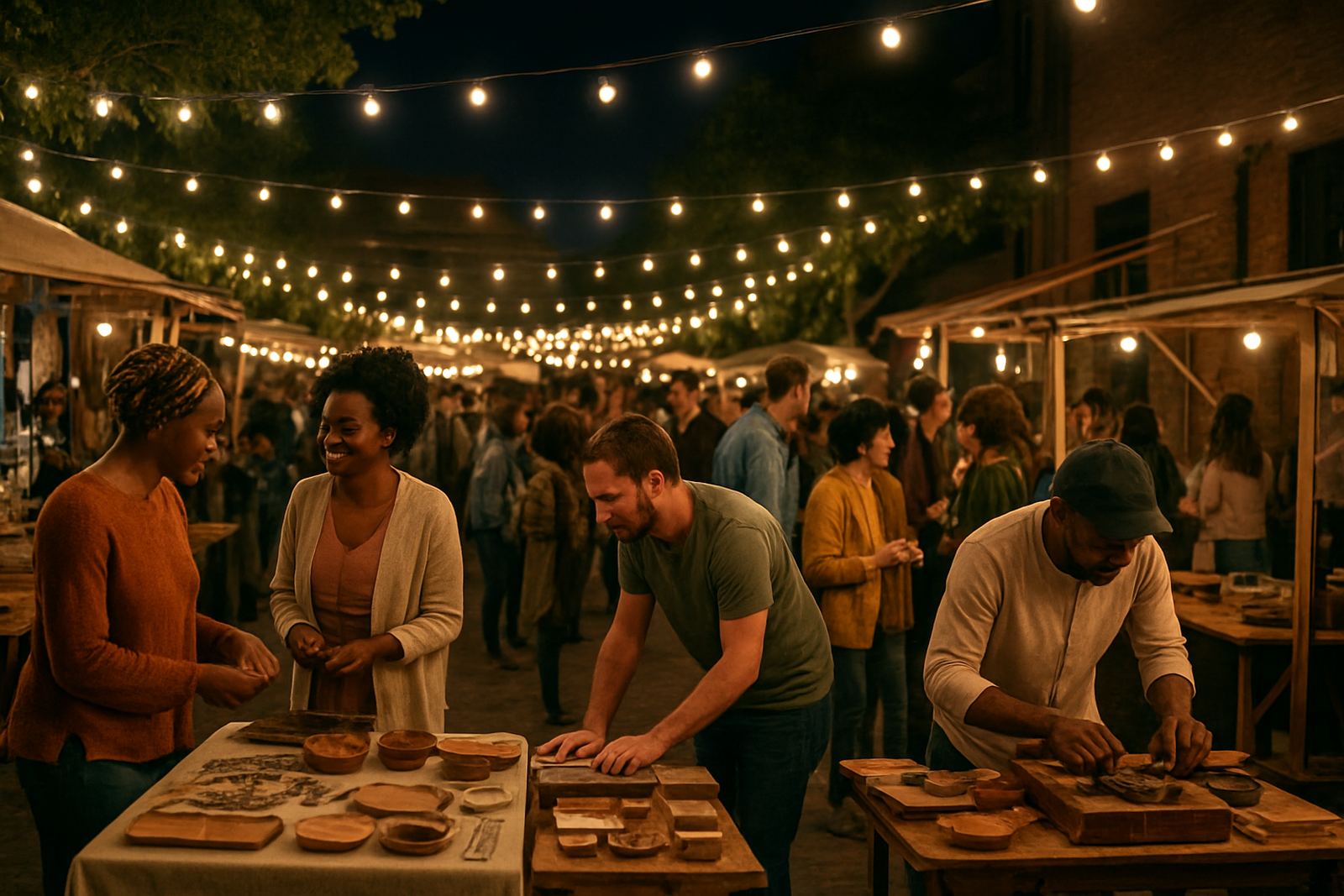
The client for this project was a Johannesburg-based arts and culture organiser working with independent makers from Gauteng and beyond. The event was planned for Maboneng, with a public audience and a strong focus on African-made work that could be seen, handled and discussed in person. It sounded easy enough at first, but Fourways needed a set-up that worked for families and first-time sellers: present finished collections alongside early prototypes, keep the tone professional, and make sure every maker had a fair chance to be noticed.
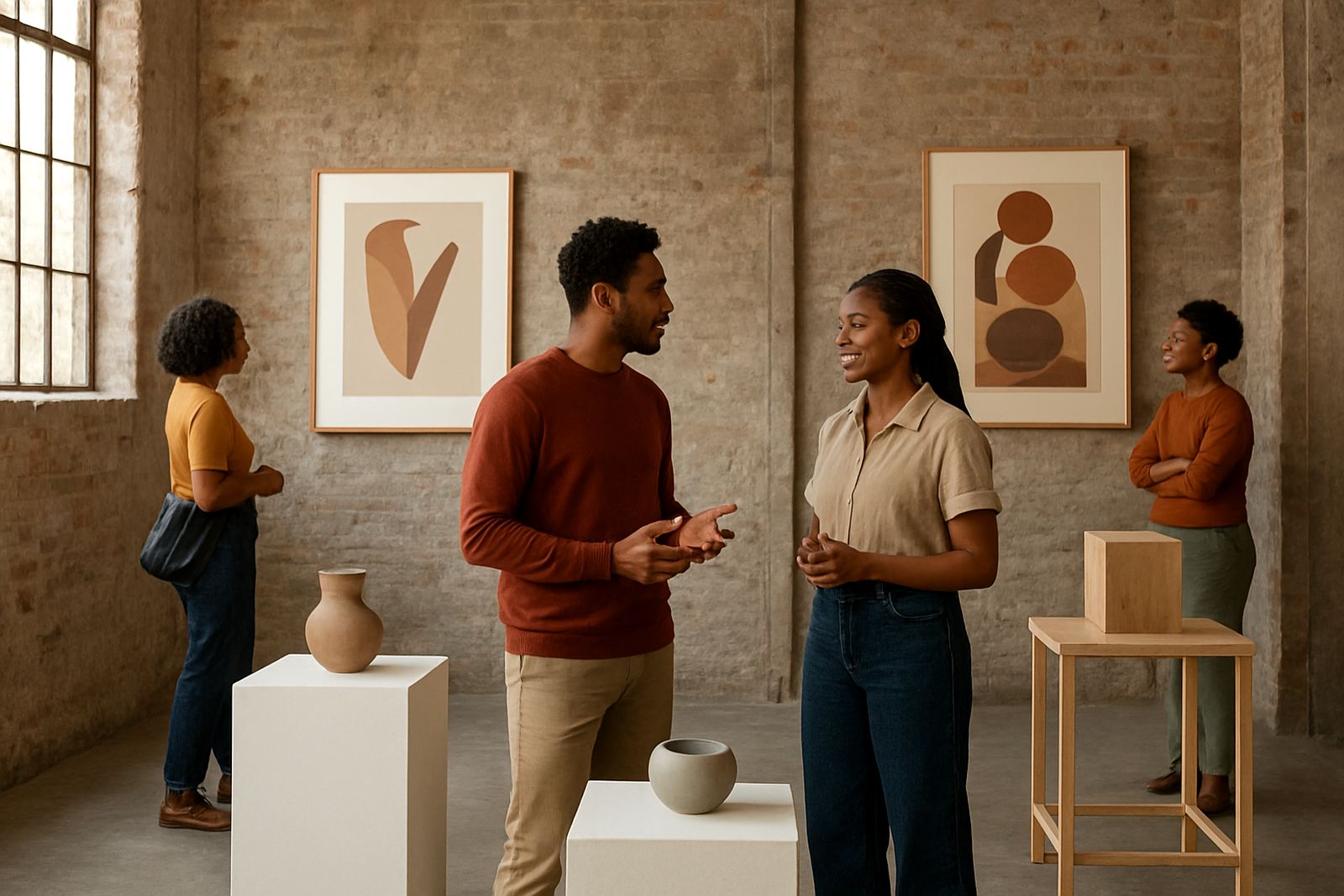
We were asked to support the event from the creator side, not just the programme side. That meant helping with the story around each maker, tightening the order of the showcase, and making sure the room worked for both display and conversation. The show needed to feel open and welcoming, but also structured enough for buyers, collaborators and media guests to move through it without confusion.
Practical Constraints We Planned Around
Maboneng is busy, and public events there need careful timing, traffic control and a plan for foot movement. Access for load-in had to be managed around other tenants, and the team had to work within the venue's operating hours. We also had to think about power, because any event that includes lighting, cameras and audio in Johannesburg needs backup planning for load-shedding and sudden changes to supply.
There was also the matter of display consistency. Some makers brought product ranges in packaging, some arrived with one-off samples, and others had furniture pieces or textile work that needed more space. So we had to keep the presentation clean without forcing every exhibit into the same format. That balance mattered, because the strongest parts of the show were the differences between the makers, not their sameness.
- City: Johannesburg, Maboneng
- Format: public showcase with guided flow
- Audience: makers, buyers, collaborators and community guests
- Power planning: backup lighting and charging support
- Weather note: indoor setup chosen for both heat and rain protection
What We Supplied For The Event
PioCreat Africa handled showcase curation, portfolio feedback, creator profile writing and event flow support. We worked with makers before the event to sharpen how they introduced their work, then shaped the run order so the strongest combinations sat next to each other. Where a maker needed help explaining material choice, pricing, or why a prototype mattered, we worked that into the presentation notes so the audience could follow the logic.
We also supported creator photography and product styling on the day. That included arranging pieces for visibility, checking labels, and making sure the camera angles captured detail without clutter. The event team handled speaker timing and transitions, while our community side managed the connection between the makers and the people arriving to meet them. It was practical work, not flashy work, but it kept the room moving and the makers looking ready.
- Showcase curation for 14 independent makers
- Portfolio feedback and presenter prep
- Creator profile writing for programme materials
- Product styling and display checks
- Creator photography during the event
Timeline And Working Method
The project ran over 3 weeks. Week one focused on intake, list building and confirming which makers would be shown as finished collections and which would present prototypes. Week two went into coaching, copy editing and visual planning. Week three was for event setup, final run-throughs and the live showcase itself. That pace gave enough time to fix weak points without dragging the process out.
We worked closely with the project lead and the events team to keep decisions moving. Some makers needed only light support, while others needed a lot more help to get their story straight. A few were strong on the product side but less certain on pricing or audience language, so we adjusted the support to match. That kind of flexibility matters when you are dealing with multiple creative practices at once, because no two exhibitors start from the same place.
Results On The Floor And After The Show
The event drew a healthy public turnout and gave the makers a proper chance to be seen in front of a mixed audience. Several exhibitors left with new contact leads, follow-up conversations and clearer buyer interest. The organisers also got stronger material for future programming because each maker now had a cleaner profile, better images and a more defined way to speak about their work.
What stood out most was how the show made room for both finished work and works in progress. Visitors could see where a product started, where it was going and why that mattered. That made the event useful beyond the day itself. It also helped the organisers test what kind of creator support would be needed next time, especially around pricing, market readiness and the way prototypes are explained to the public.
- Stronger audience engagement at the showcase tables
- Clearer maker narratives for future events
- Better buyer conversations after the presentations
- Useful photo and copy assets for follow-up promotion
What We Would Keep For The Next One
We would use the same early planning structure again, because it saved time and reduced pressure in the final week. The intake process helped us spot which makers needed more support, and the staged preparation kept the day calm. We would also keep the mixed-format approach, since the contrast between collections and prototypes gave the audience a fuller view of local making.
For the next show, we would add a slightly longer rehearsal block for first-time presenters and allow more time for pricing conversations. In Johannesburg, events move fast and people often arrive late due to traffic or missed connections, so a bit of buffer time helps. We would also keep the creator photography on site because it gave the project a useful visual record without needing a separate shoot later on. The format worked well and, with a few small adjustments, it can be repeated in other neighbourhoods too.
Key facts
| Project | Maboneng Design Show |
|---|---|
| Client type | Public arts and culture organiser in Johannesburg |
| Location | Maboneng, Johannesburg |
| Timeline | 3 weeks |
| Audience | Independent makers, buyers, collaborators and community guests |
| PioCreat Africa services | Showcase curation, portfolio feedback, mentor matching, event production, creator photography, product styling, pricing support and profile writing |