
What the client needed in Cape Town
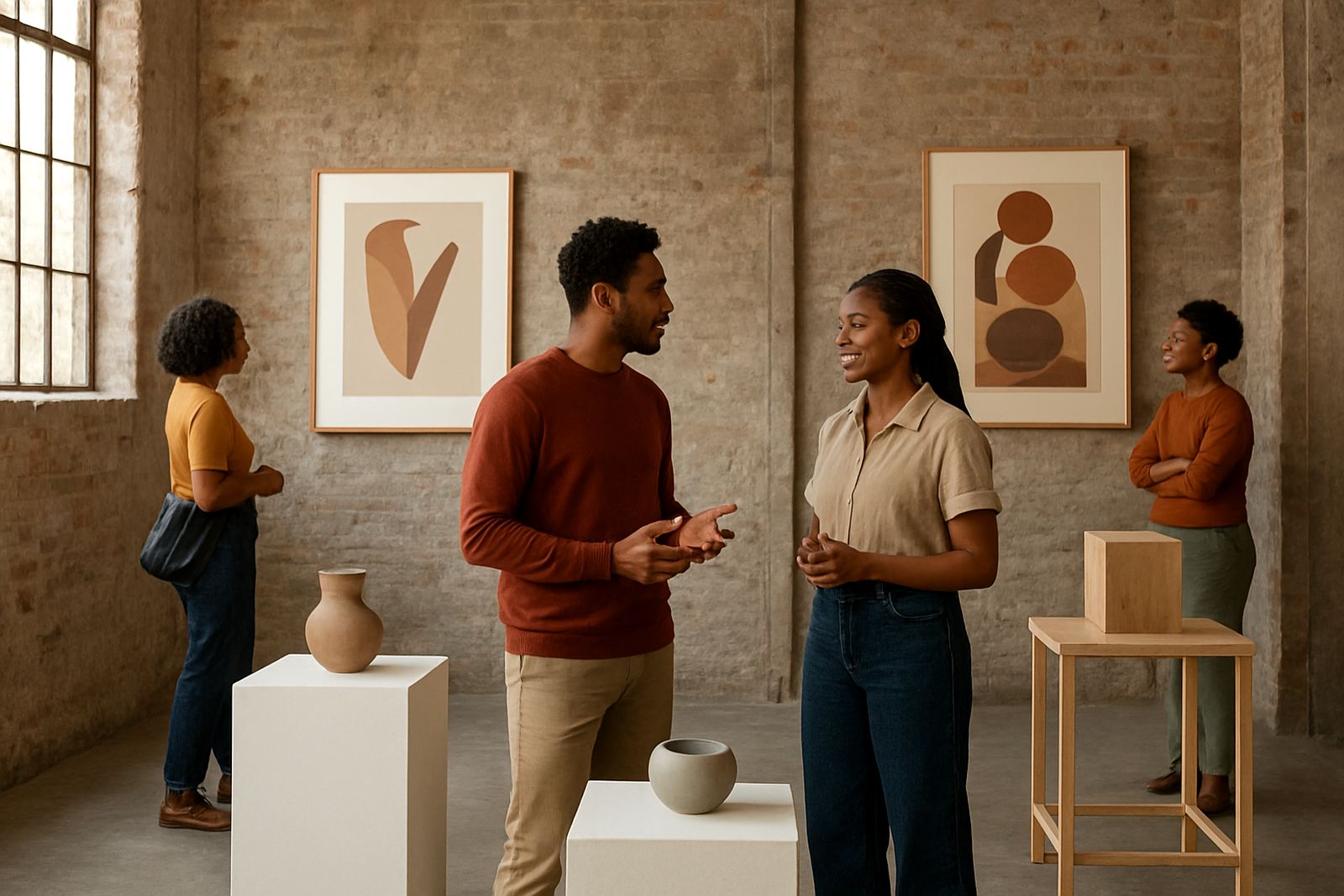
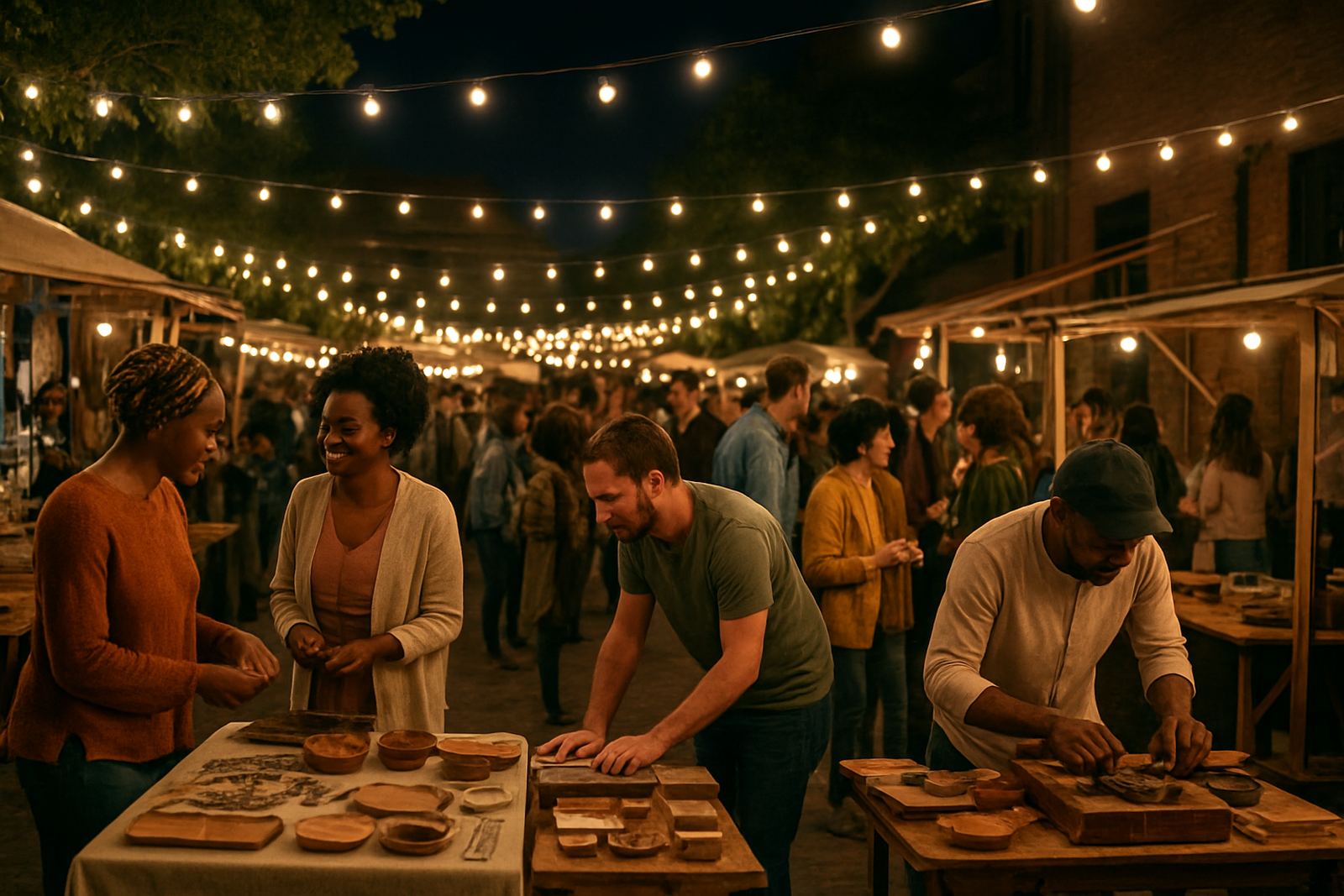
The brief came from a Cape Town based group of creators who wanted more than a standard market table setup. They needed a multi-creator floor that could handle product launches, short talks, portfolio chats and quiet corners for follow up meetings, all within one event day. The audience included local buyers, fellow makers, gallery contacts and a few visiting collaborators from Johannesburg and Durban.
We were asked to shape the space so every creator had visible presence without losing the shared feel. That meant planning for different product sizes, mixed display heights and enough movement space for visitors carrying bags, sample packs and notebooks. The organisers also wanted the floor to feel open and practical, not overdone.
- Town: Cape Town
- Project type: Multi-creator exhibition floor
- Main purpose: Product launches, conversations and collaborative visibility
- Format: In person with supporting online follow up
The constraints we worked around
The venue had a fixed footprint and limited time for bump in, so every metre had to earn its place. There were power points in awkward positions, a tight loading window and a strong need to avoid clutter at the entry path. Cape Town weather can change quickly as well, so we planned for cooler air at the start of the day and humidity later in the afternoon.
Because the floor carried products from several categories, we also had to manage contrast. Fragile pieces could not sit too close to high traffic corners, and branded elements had to be legible from across the room. We kept the setup modular so the team could shift sections if one area drew heavier foot traffic than expected, which it did.
- Venue footprint: compact, shared exhibition hall
- Load in window: 4 hours before doors opened
- Power needs: low draw display lighting and charging points
- Weather note: cool start, rising humidity later in the day
How we shaped the floor
We handled the floor plan, creator placement, display styling and on-site flow. The layout used a central circulation spine with side nodes for product clusters and conversation points. That made it easier for visitors to move naturally between launches, quick introductions and quieter mentor style chats. We also wrote short creator profile copy for the signage so visitors could understand who made what without long explanations.
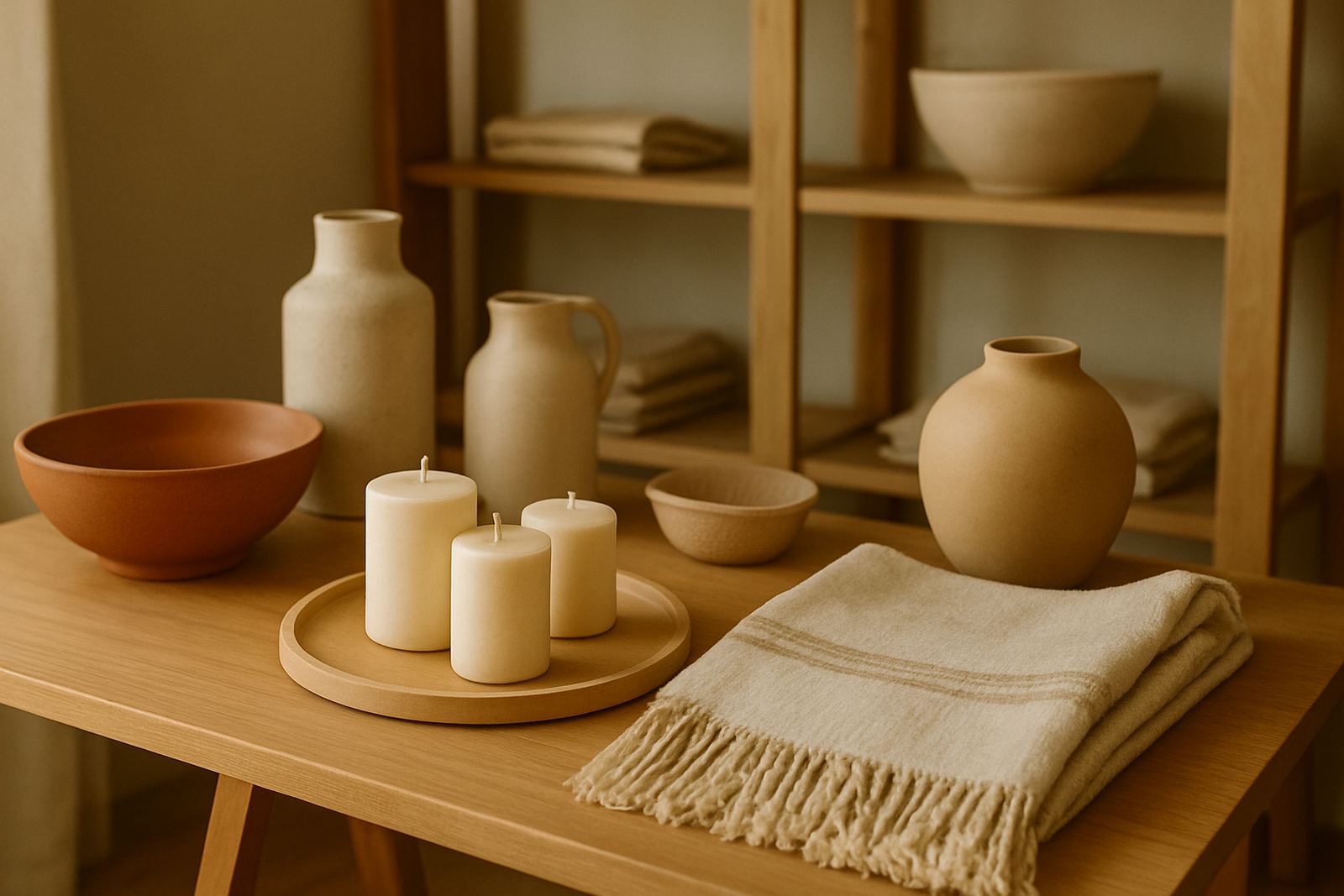
To support the mixed range of work, we grouped creators by shared materials and audience fit, not just by category. Product styling focused on clean sightlines, neutral base surfaces and enough height variation to stop the floor from flattening out visually. We supplied creator photography during the opening period, then used those images for post-event community posts and follow-up profiles.
- Floor plan with clear visitor flow
- Creator profile writing for signage and follow up use
- Product styling and display placement
- Creator photography during the opening session
Timeline from planning to opening
The project ran over 6 weeks from first briefing to opening day. Week 1 covered the intake call, creator list and floor goals. Weeks 2 and 3 focused on space planning, display needs and content capture lists. Week 4 was for final confirmations, mentor pairings and the session run sheet. Week 5 covered print prep and logistics. Week 6 was the event week itself, including setup, floor management and post-event follow up.
That timeline gave enough room to adjust for late product arrivals, which often happens when makers are finalising finishing touches right up to the end. It also left time to brief the team on who needed support with pricing, market readiness and partnership introductions on the day. Nothing felt rushed, even with a packed schedule.
- Total timeline: 6 weeks
- Planning and curation: 2 weeks
- Production and print prep: 2 weeks
- Event week and post event follow up: 2 weeks
What the floor delivered
The exhibition floor gave each creator a better chance to be seen and understood. Visitors stayed longer because there were conversation points built into the room, not just rows of tables. Several makers left with direct partnership leads, stockist interest and follow up calls for collaborations in Johannesburg, Pretoria and Nairobi. The shared setting also helped newer creators speak beside more experienced peers, which made the whole floor feel steadier.
For the client, the strongest result was not only attendance but the quality of interaction. People asked better questions, shared contacts more freely and returned for the second round of conversations after the launch moments. It was the kind of event where practical community showed up in real time, and you could feel that by the end of the afternoon.
- Higher dwell time around the displays
- Better quality creator to visitor conversations
- Partnership interest from multiple cities
- Follow up leads for stockists and collaborations
What we would do again
We would keep the same modular format for another Cape Town floor, with a few small changes. First, we would set aside a slightly larger welcome area so arrivals can orientate before moving in. Second, we would add one more quiet corner for pricing support and mentor matching. Third, we would repeat the mixed creator grouping because it encouraged unexpected conversation between makers who might not have met otherwise. That mix worked well and the floor felt alive, not crowded.
We would also keep the after-hours online follow up session. It gave creators a chance to continue discussions once the floor noise had dropped, and it helped turn loose interest into proper next steps. For a city event with regional reach, that extra online touchpoint made the project more useful for everyone involved.
- Keep the modular exhibition layout
- Add a stronger arrival and orientation point
- Include a quiet pricing and mentor support corner
- Repeat the online follow up session after the event
Key facts
| Project location | Cape Town |
|---|---|
| Project length | 6 weeks |
| Event format | In person floor with online follow up |
| Core services | Showcase curation, event production, creator photography, pricing support |
| Audience | Product makers, designers, workshop teams and local buyers |
| Result | Stronger visitor flow, better conversations and partnership leads |