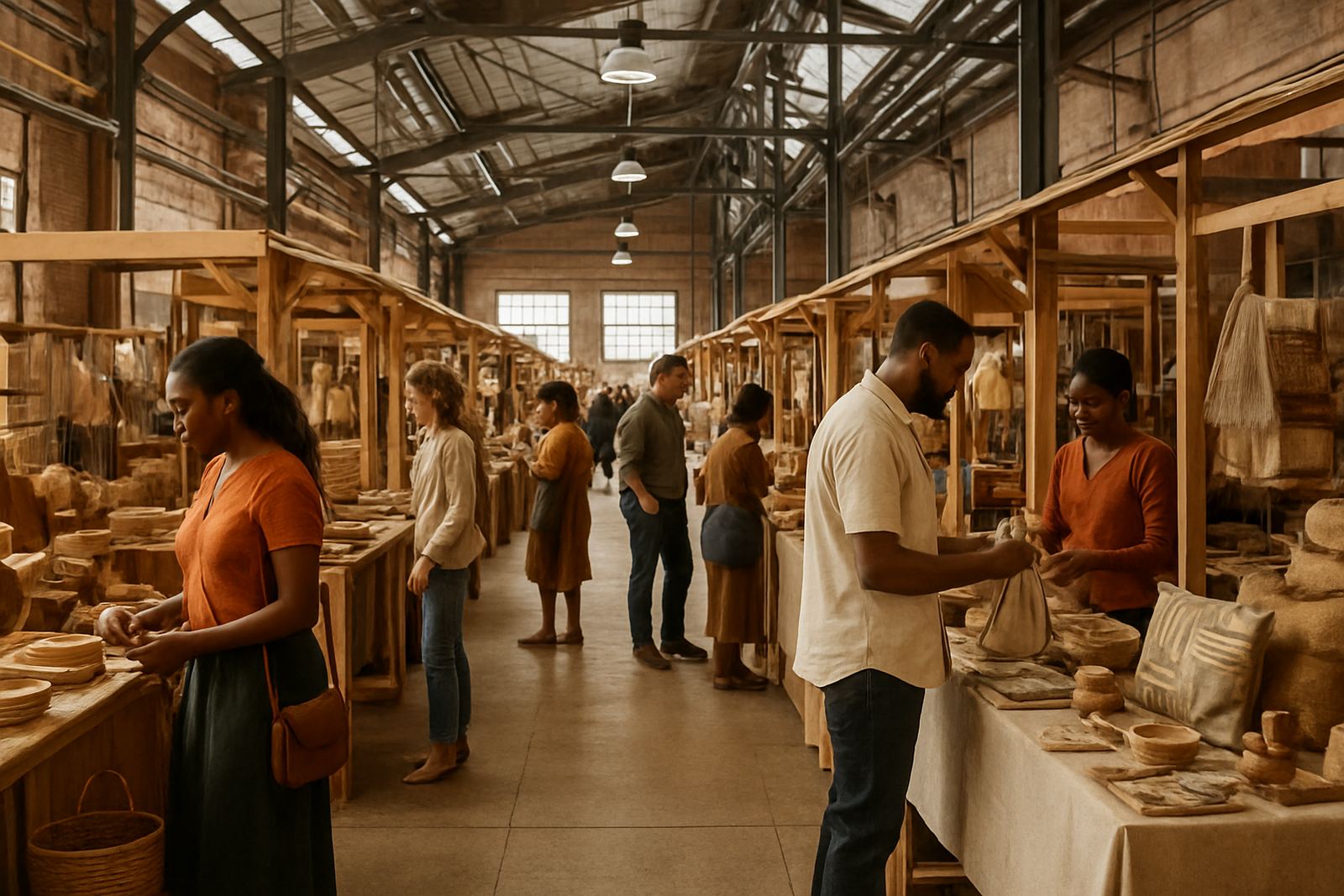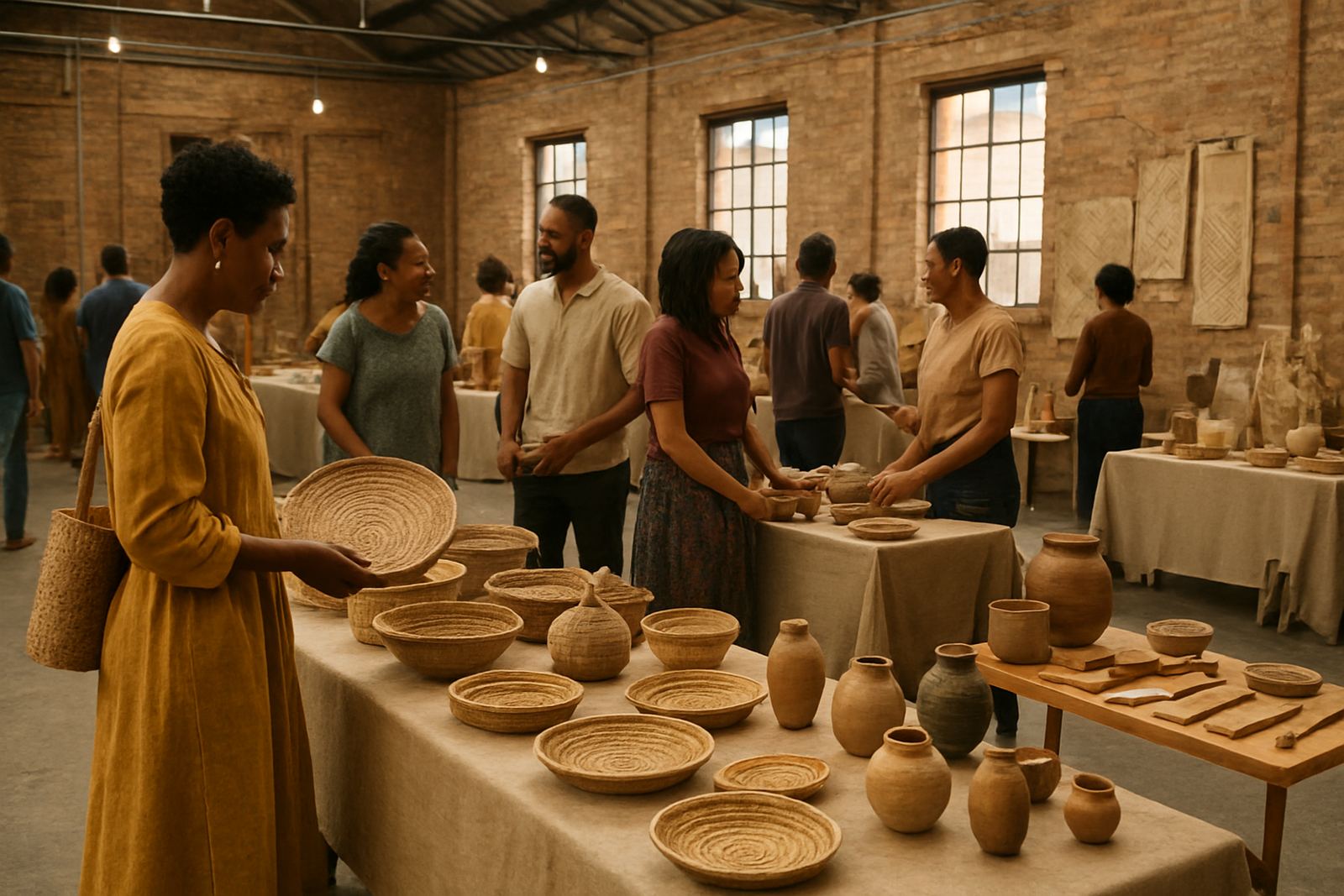
What the Hatfield brief asked us to solve
The client was a student-led creative group in Hatfield, Pretoria looking to stage a one-day showcase for makers at different stages of readiness. They wanted something practical, not flashy: a space where students could show work, ask sharper questions and meet people who could help them move from classroom work into real commissions or collaborations.
The brief had a few clear points. Keep the format simple, make it welcoming for first-time exhibitors, and make sure the event still felt organised enough for practitioners, mentors and invited guests. There was also a strong need for guidance on how to present work properly, because many of the students had strong ideas but limited experience with pricing, display order and talking through their process.
- Client type: student creative network in Hatfield, Pretoria
- Event type: student showcase with mentoring and networking
- Core goal: connect emerging creators with working practitioners
Constraints on a student event in Pretoria
Like many student events, the biggest constraints were budget, time and venue rules. The team needed a setup that could be assembled quickly, used by people with different levels of experience, and packed down in one clean shift. We also had to work around class schedules, transport timing and a mixed audience of students, mentors and supporters coming in from across Pretoria.
There were practical issues too. The venue had load-shedding risk, so we planned the run of show around backup power for essential items only. Space was limited and the walkways needed to stay clear for traffic flow and safety. We also had to make sure the display layout respected the building rules and did not create bottlenecks at the entrance or around the mentor tables.
- Timeline pressure: short lead time and fixed event date
- Venue limits: controlled access, limited floor space and setup time
- Technical needs: light backup support for key presentation points
How we shaped the showcase experience
We supplied the structure around the event. That meant helping define the programme flow, planning the exhibition order, guiding the student pitch format and preparing the spaces where mentors could meet exhibitors one on one. We also supported creator photography and creator profile writing so the participants had useful material after the day, not just memories.
For the showcase itself, we handled the production planning and helped the team think through the practical details: where people would queue, where to position the most conversation-heavy work, and how to keep the room active without feeling cramped. We also worked on portfolio feedback sessions before the event so exhibitors could tighten their stories and present work with more confidence.
- Showcase curation and floor planning
- Portfolio feedback and creator profile writing
- Mentor matching and collaboration facilitation
The programme we ran on the day
The event was delivered over one Saturday with a preparation window of about three weeks. In that time we ran planning calls, matched mentors to students, and finalised the guest list and session flow. The actual showcase mixed exhibition tables, short introductions, feedback circles and informal chats so the room stayed active without becoming chaotic.
We also kept the photo side useful and not overdone. The aim was to capture the work clearly, the people behind it and the interaction between creators and mentors. That gave the client usable images for future calls and helped the students leave with material they could share on their own channels or with prospective partners. The process was tight but manageable, and the team moved well once the room opened.
- Timeline: 3 weeks from planning to event day
- Format: showcase tables, feedback circles and mentor chats
- Outputs: event coverage, profile copy and practical follow-up notes
What changed for the students and organisers
The strongest result was confidence. Students who started the day unsure about how to explain their work were able to present more clearly by the end, and several used the feedback to improve their portfolios and pitch language. Mentors were able to spot talent faster because the event gave them a better view of process, not just finished pieces.
For the organisers, the event proved that a student showcase can be both modest and useful when the structure is right. There was stronger participation than expected, and the format created enough room for people to speak honestly about pricing, quality and next steps. A few attendees also made direct contact for later collaboration, which was one of the main objectives all along.
- Clearer pitching from student exhibitors
- Better mentor-student connections during and after the event
- Useful follow-up assets for future showcases
What we would do again for a campus showcase
We would use the same basic approach again: start with a simple programme, keep the exhibition layout open, and build in enough time for feedback before the public session begins. Student events work best when the organisers do not overload them with too many moving parts. One or two strong session formats usually carry the day better than a packed agenda.
We would also repeat the pre-event profile work because it helped the students speak about their projects with more clarity. For future Hatfield-style events, we would keep a close eye on venue access, power planning and transport timing, especially if the show runs into the early evening. Those details matter more than people think, and if they slip the whole day feels rushed.
- Keep the run of show tight and practical
- Build in prep time for portfolio and pitch support
- Plan for power, transport and quick pack-down
Key facts
| Project name | Hatfield Student Showcase |
|---|---|
| Location | Hatfield, Pretoria |
| Project type | Student creator showcase and mentoring event |
| Timeline | 3 weeks |
| Audience | Student creators, practitioners and mentors |
| Core services | Showcase curation, mentor matching, event production, creator photography, portfolio feedback |