A compact market brief for Johannesburg creators
The client was a Johannesburg-based creator collective working with makers, product designers and small workshop teams from the city and surrounding areas. What they asked for sounded straightforward, but making it work for Johannesburg sellers took proper structure: create a market day that felt manageable for first-time sellers, while still drawing serious foot traffic and useful feedback from shoppers.
Rosebank was chosen because it already pulls a mixed audience on weekdays and weekends, including office workers, residents, students and visitors moving through the precinct. That matters for makers selling food products, home goods, accessories or print work, because the buying conversations are different depending on who is passing by. The goal was not only sales on the day, but proof of what people asked about, what they touched, and what they were willing to pay.
The format needed to suit traders with small stock quantities, limited table equipment and varied product ranges. Some were ready with polished packaging, others were still refining labels and price points. We had to design for both groups without making the event feel scattered or overcomplicated.
What the market had to work around
Rosebank comes with its own realities. Space is expensive, loading windows can be tight, and foot traffic changes quickly depending on weather, parking pressure and nearby events. We also had to think about power needs for a few stalls, public liability concerns, and how to keep the setup practical for a single-day programme without overloading the team.
There were three main constraints:
- Small stall footprints, with enough room for browsing but not wasteful spacing
- Short load-in and pack-down times, since many exhibitors travelled from different parts of Johannesburg
- Clear pricing and signage, because buyers were comparing offers fast and asking direct questions
We kept the format compact so creators could focus on product conversation instead of managing a heavy event structure. That gave the day a good pace and made it easier for the team to observe what was actually happening at each table. A few sellers were nervous at the start, but once the first sales came through they settled quickly.
How we set up the market day
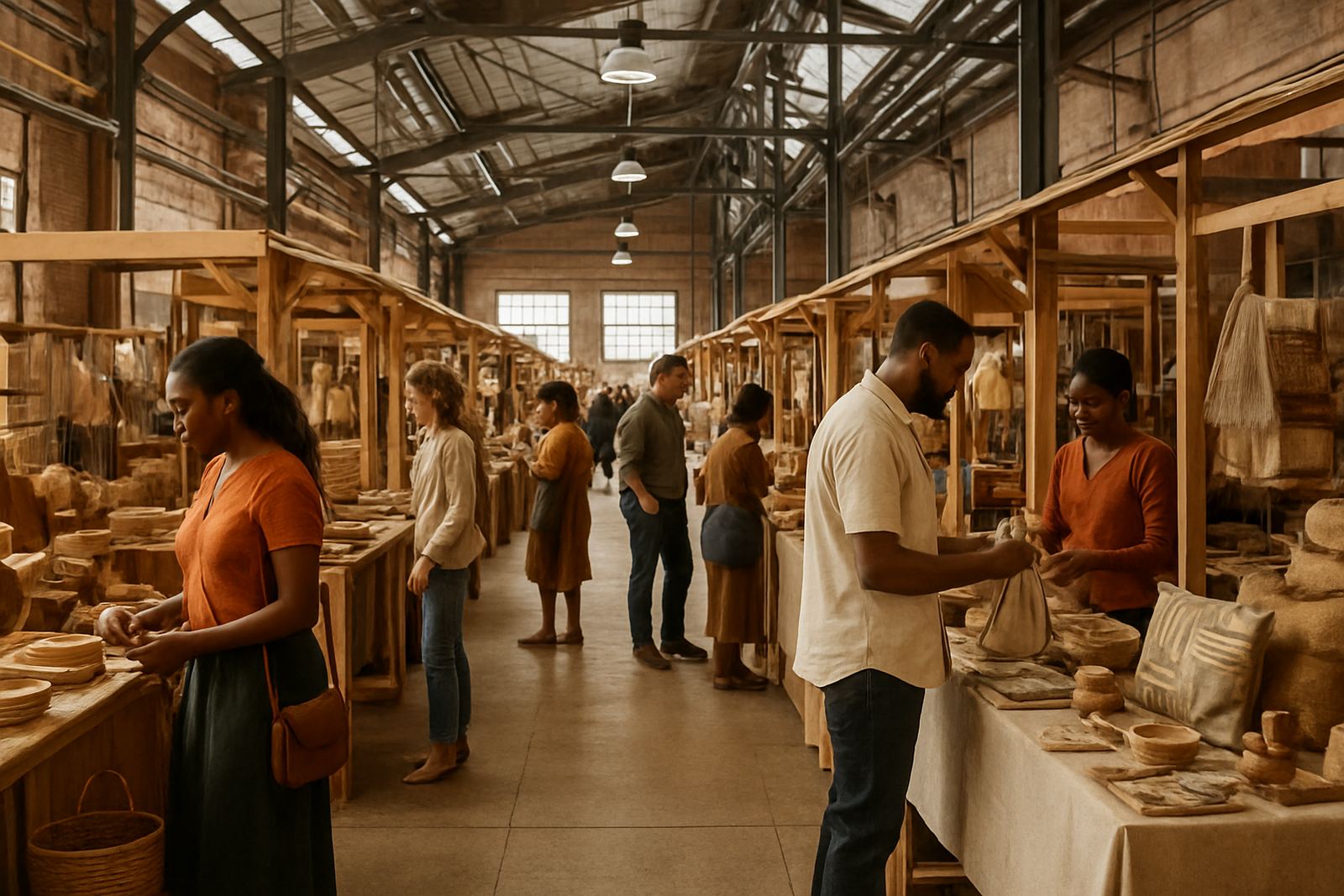
Our team handled the market flow from early planning through to on-the-ground coordination. We mapped the stall mix, confirmed product categories, aligned arrival times and prepared the layout so the browsing route stayed clear. The programme was built to encourage conversation, not just transactions, which meant the table placement and movement between stands mattered a lot.
We supplied and managed:
- Market curation and exhibitor selection support
- Table layout planning and stall sequence
- Creator briefing notes for pricing, display and customer engagement
- Show-day coordination with arrivals, setup and pack-down
- Simple signage guidance for product names, prices and payment options
- On-site observation for feedback on stock, wording and buyer questions
We also helped some exhibitors sharpen their product descriptions before the market. A clear line on what a product is, who it is for and why it costs what it does can make a real difference. That sounds basic, but in a market setting it often decides whether someone walks on or stops to ask more.
Mentor support and buyer feedback in real time
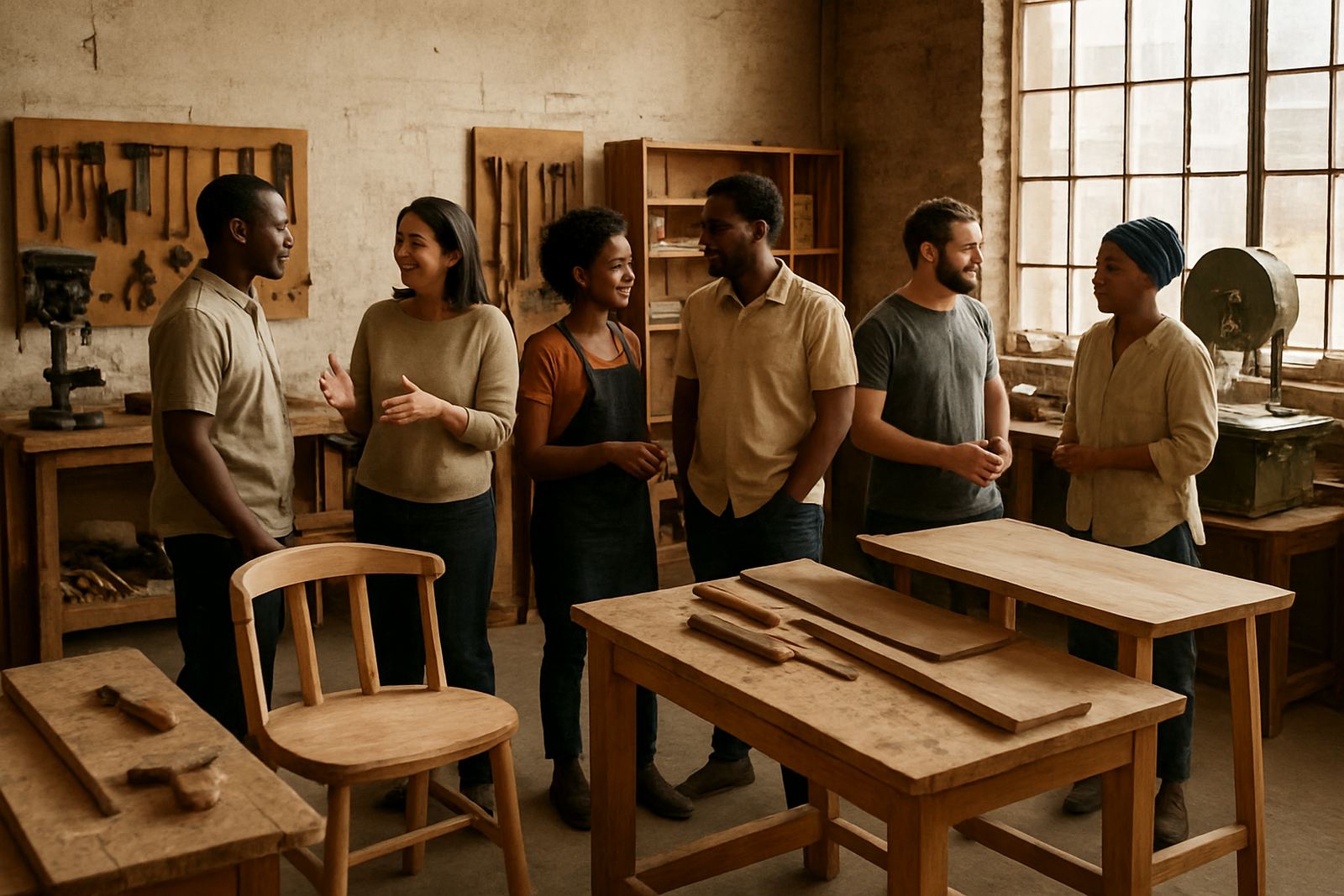
Alongside trading, we built short feedback moments into the day so creators could compare notes with mentors and peers. The aim was to give them enough support without turning the market into a workshop. People came to trade, so the conversations had to be brief, direct and useful.
Feedback covered product fit, shelf presence, pricing confidence and how buyers responded to bundles versus single items. For some makers, the strongest lesson was about presentation. For others, it was stock depth or the need for a tighter story around origin and use. One or two sellers realised their price was acceptable, but their packaging made the product look lower value than it actually was.
These conversations mattered because they turned a one-day event into practical learning. A market is often the fastest way to hear what customers really think, especially when they are standing in front of your table with cash or card in hand. That is more useful than guessing from online comments.
Results from a single trading cycle
By the end of the day, the market had done what it was meant to do: it gave creators a live test environment without the pressure of a full-scale expo. Traders left with direct sales, buyer questions, and a far clearer sense of which products drew interest first. Several exhibitors also recorded repeat questions about custom options, delivery and wholesale availability, which told us the market was producing more than casual browsing.
The results were strongest in three areas:
- Clearer pricing confidence from creators after face-to-face selling
- Better understanding of which products needed stronger display or packaging
- Useful leads for future collaborations, stockist conversations and pop-up invites
We also saw that compact markets suit creators who are still testing product-market fit. They do not need a huge footprint to learn something valuable. In fact, a smaller setup can be better because it keeps the focus on the product and the customer response. That makes it easier to refine quickly, and to avoid expensive mistakes later on.
What we would keep for the next market day
If we were doing Rosebank Maker Market again, we would keep the format tight and repeat the same practical structure. The mix of curation, simple setup rules and live feedback worked well. We would also bring in a slightly stronger pre-market prep session for new sellers, especially around pricing language and table storytelling, because those two things had the biggest impact on how buyers engaged.
We would keep these elements in the next run:
- A concise exhibitor checklist with setup times and display requirements
- Short mentor check-ins during the peak trading window
- Product category grouping so buyers can compare similar items easily
- A stronger follow-up process for collaboration leads and stockist interest
The main lesson was simple. If you give creators a clean trading space, a steady flow of people and enough room to hear what buyers are saying, they learn fast. That kind of market does not need to be overbuilt. It just needs to be well run, fair to the sellers and honest about what the audience is telling you.
Key facts
| Project type | Compact creator market and trading showcase |
|---|---|
| Location | Rosebank, Johannesburg |
| Timeline | 3 weeks from planning to market day |
| Audience | Creators, makers, designers and local buyers |
| Format | Single-day market with feedback and mentorship moments |
| Outcome | Sales, product testing, pricing insight and collaboration leads |