What happens in a Collaboration Call Live session
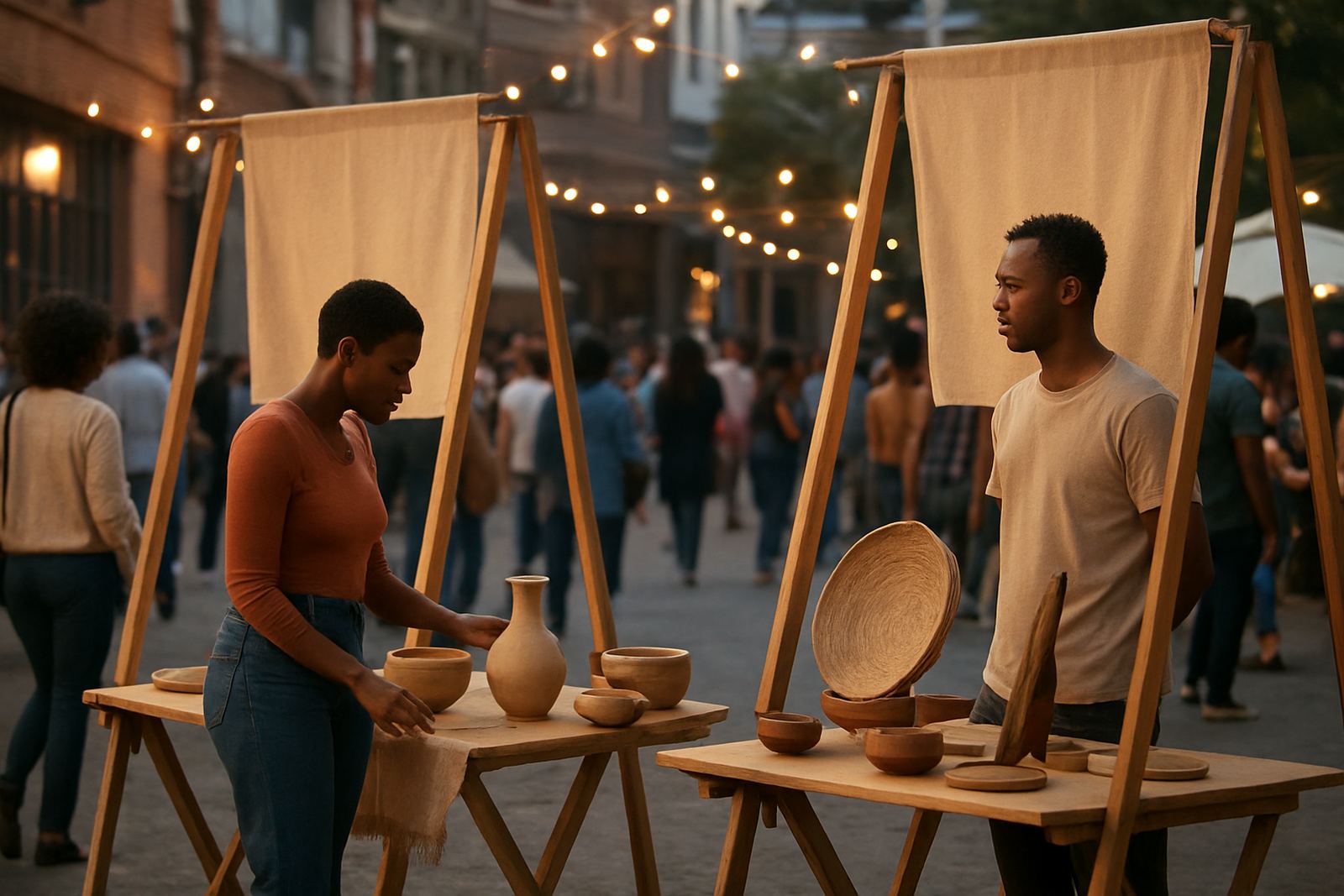
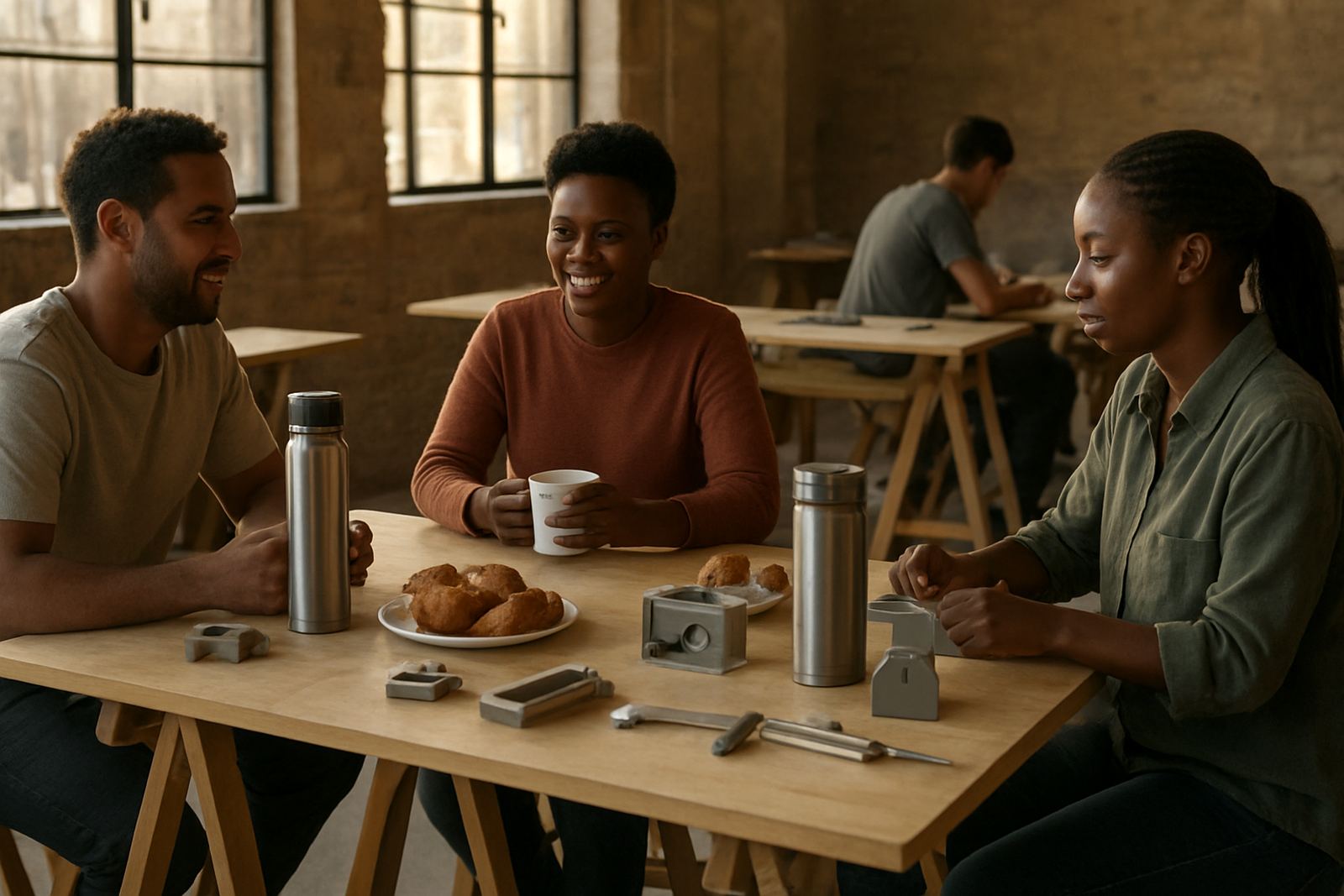
Each session gives members a clear slot to present an idea, a work-in-progress or a project they want to take further. You can pitch a product, content concept, design brief, event idea, joint brand activation or a cross-border creative project. The aim is to test the idea in front of other makers and identify who can contribute, whether that is a photographer, product designer, copywriter, events team or someone with market access.
Sessions are moderated so everyone gets time and the room stays focused. We keep the format tight enough for real decisions, but open enough for honest discussion. The strongest calls usually end with follow-up conversations, shared contacts and a few clear next steps instead of vague promises.
- Open pitching slot for members with active ideas
- Space for feedback, partner matching and practical next steps
- Works for in-person meetups in Johannesburg or online attendance
- Suitable for solo creators, small teams and cross-border collaborations
Sizes and session formats to choose from
Collaboration Call Live can be booked in a few session sizes depending on how many people need to pitch and how much time you want for discussion. Smaller groups work well for targeted partner searches, while larger sessions suit chapter-wide meetups and showcase weekends. We can also run mixed formats, with some members in the room and others joining online from Cape Town, Durban, Pretoria, Nairobi or beyond.
If your team wants a more structured call, we can set up themed sessions around product launches, content partnerships, exhibition plans or mentorship-linked work. For bigger audiences, the session can be split into short pitch rounds and breakout conversations so people do not sit through a long queue. That keeps the energy up and makes it easier to follow up after the session.
- Small session: 6 to 10 presenters for focused collaboration
- Medium session: 10 to 20 presenters for chapter or city groups
- Large session: 20 to 40 presenters for showcase days and open calls
- Hybrid option: Braamfontein room with remote participants on online call
When this format suits your work best
This product suits members who have a strong idea but need one or two missing pieces to move it forward. It is useful when you are looking for a co-host, production support, a visual collaborator, a sales partner or someone who understands local market conditions. If your project needs timing, trust and clear roles, a live collaboration call is often more useful than a long inbox thread.
It also works well for work that crosses cities. A Johannesburg maker might need a Cape Town photographer, a Durban production partner or a Nairobi collaborator with on-the-ground reach. Because the session is open and structured, people can see who is serious and who can deliver. That matters when deadlines are tight and the budget is not endless.
- New product ideas that need feedback and a delivery partner
- Creative campaigns that need multiple contributors
- Community projects needing a producer, facilitator or host
- Cross-border collaborations that require trust and clarity
How we set up the room, power and online access
For in-person calls at our Braamfontein base, we arrange seating so presenters can speak clearly and listeners can move into smaller conversations afterwards. A quiet room, reliable sound and simple projection are usually enough. If you are bringing prototypes, samples or presentation boards, we advise enough table space and a clear walk-through path so people can handle items without crowding the front row.
For hybrid or fully online sessions, the setup should include a stable internet connection, a laptop or screen, camera coverage and a backup power plan. In South Africa, that means planning around load-shedding and not leaving the session dependent on one plug point. If the call includes live slides, video clips or portfolio review, make sure files are loaded early and tested before members arrive.
- Indoor room with chair circle, table space and access to power
- Projector or large display for slides, images and short videos
- Sound input for clear speaking, especially with larger groups
- Online access with backup data and battery support
Care, moderation and follow-up after the call
The session works best when it is handled with a steady hand. Moderation keeps the pace fair and protects the time of each presenter. After the call, the follow-up stage is just as important as the room itself. We help capture who is interested in what, which ideas need another meeting and where a quick intro can save days of back-and-forth. It is all about keeping momentum alive, not letting good ideas fade out after the room empties.
For repeated sessions, it helps to keep a simple record of proposals, contacts and action points. That way members can return to the right people when a project becomes real. If a collaboration needs photography, product styling or pricing support, those services can be linked in after the call so the idea does not stall.
- Use a named moderator to manage turns and timing
- Capture each pitch summary for later reference
- Set follow-up deadlines so interest turns into action
- Link the call to mentorship, partnerships or production support where needed
What to check before you book or pitch
Before ordering a Collaboration Call Live slot, check how many people will pitch, whether the room needs to be hybrid, and what kind of follow-up support you want afterwards. The clearer the brief, the better the matching. If your project needs specialised partners, say so early. If you need quiet time for portfolio feedback before the main pitch, build that into the schedule.
It also helps to prepare the basics: a short project summary, who you are looking for, what stage the work is at, and what you can offer in return. Members who come prepared usually get more useful responses. In practical terms, that means less waffle and more action.
- Number of presenters and expected audience size
- Whether the session is in-person, online or hybrid
- Any technical needs such as projection, sound or charging points
- Preferred outcome: partner search, feedback, introductions or next meeting
Key facts
| Format | Open pitching session for creators and small teams |
|---|---|
| Session size | 6 to 40 presenters depending on format |
| Locations | Braamfontein, Johannesburg plus online access across South Africa and the continent |
| Typical duration | 60 to 180 minutes |
| Power needs | Mains power for sound, screen and charging, with backup for load-shedding |
| Best for | Idea pitching, partner matching, collaboration planning and follow-up introductions |