What African Materials Dialogue Covers
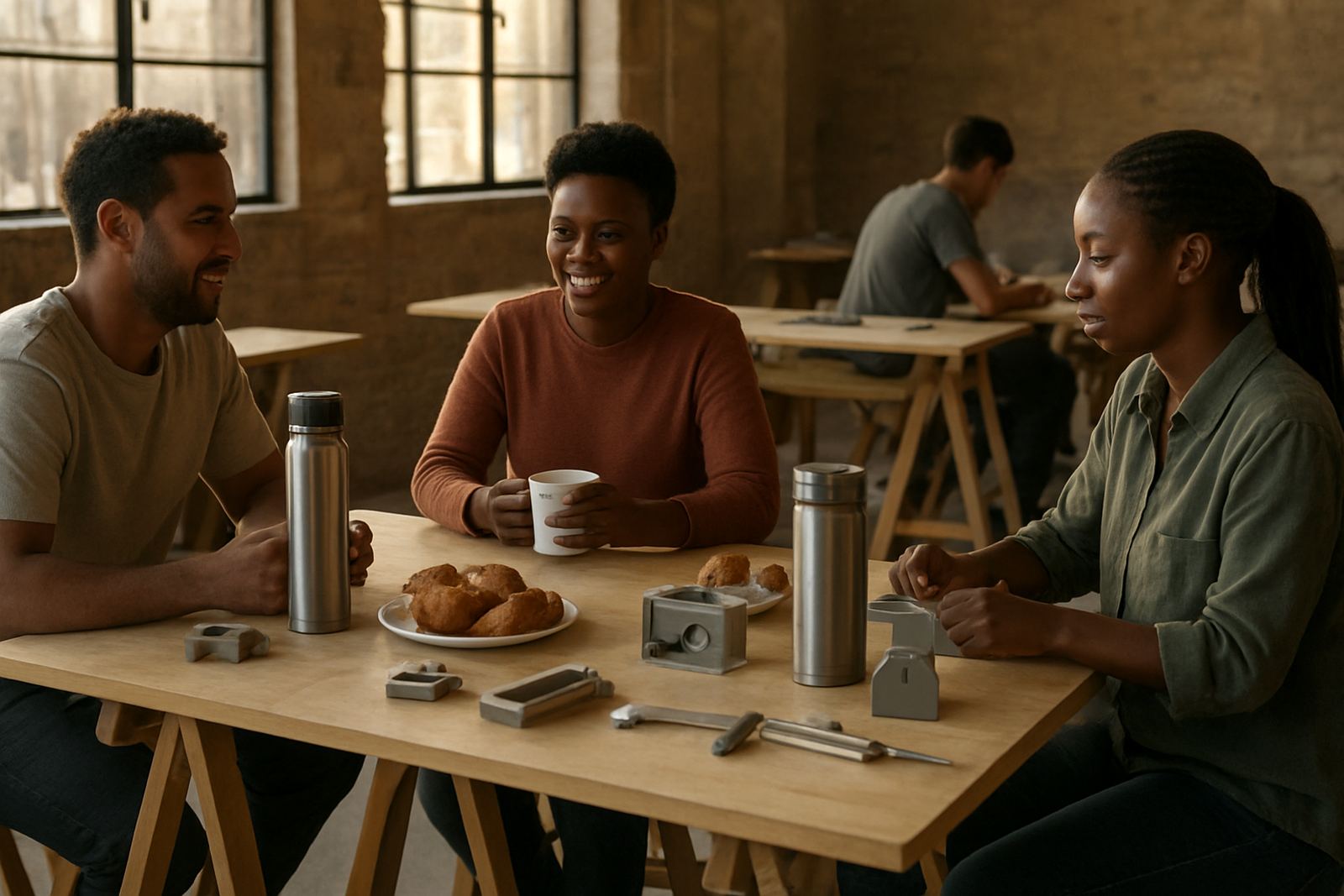
This programme brings together makers, material suppliers, product designers and project leads for focused conversations around African made materials, local sourcing and the realities of production on the ground. It is used for studio teams, cooperative groups, campus circles and community programmes that need more than a theory session. The format is practical and discussion led, with examples from furniture, fashion, interiors, product making and display work.
Sessions are built to help people think through cost, lead times, transport, finish quality and the ethical side of buying materials closer to home. In Johannesburg or Cape Town, that may mean comparing recycled input with locally processed stock. In Durban or Nairobi, it may mean checking moisture resistance, supply consistency and what happens when deliveries are delayed. The aim is to keep the discussion useful, not abstract.
- Local material options and sourcing routes
- Responsible production choices and waste reduction
- Supplier questions, pricing logic and order planning
- Links between material choice, finish and end use
Formats, Sizes and Session Options
African Materials Dialogue can run as a small round table, a moderated panel, or a larger showcase conversation. We size it to the audience and the topic, so a close studio group gets room to speak while a public event can hold a wider mix of voices. Most sessions work well with 12 to 40 people, although larger forums can be arranged for conferences, chapter meetings or partner activations.
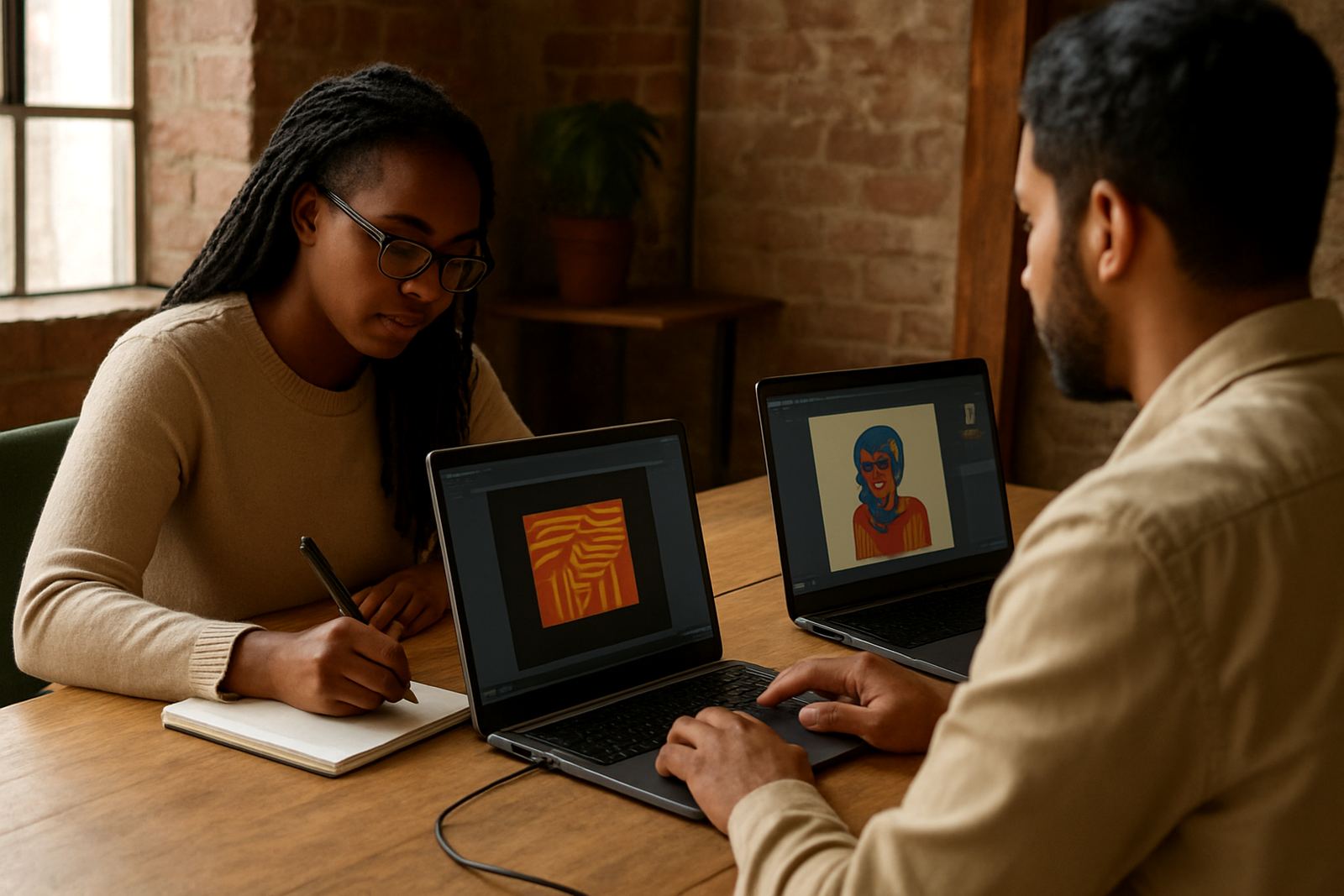
Typical duration is 60 to 120 minutes, with longer workshops available when the group needs breakout time or a supplier Q and A. Online sessions are also available for cross border groups and remote teams. For hybrid events, we keep the structure clear so people in the room and online can follow the same flow without feeling left out.
- Small group dialogue: 12 to 15 people
- Standard session: 16 to 40 people
- Panel format: 3 to 5 speakers plus moderator
- Workshop format: 90 to 180 minutes with exercises
Where It Suits Best
This product suits creative spaces that need grounded conversation around materials, sourcing and production decisions. It works well for maker communities in Braamfontein, Rosebank, Pretoria, Newtown and Soweto, as well as partner events in Durban, Cape Town and Nairobi. It also fits schools, incubators, galleries, market groups and studio collectives that want to support local making without losing sight of commercial reality.
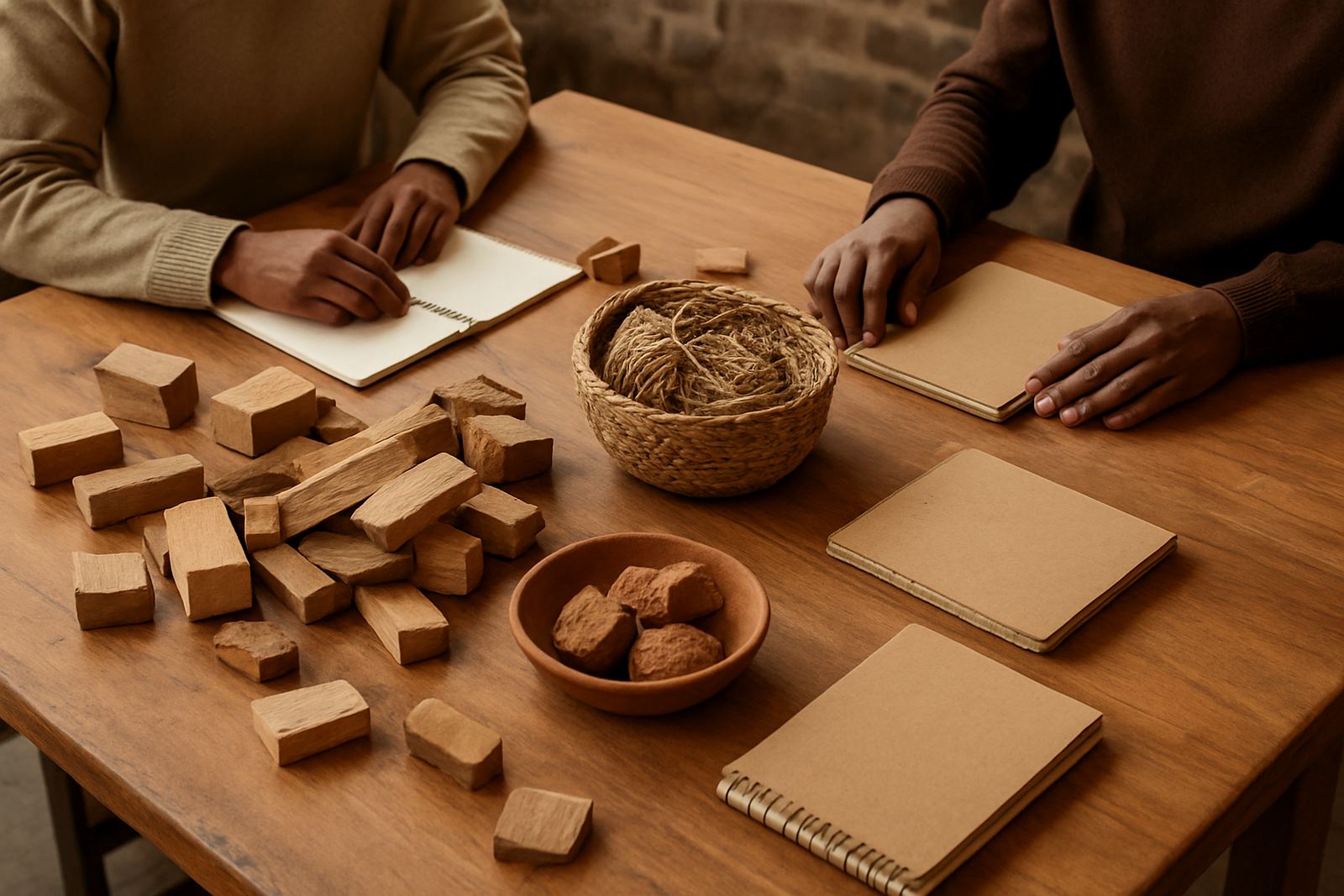
It is especially useful where people are comparing imported stock against local alternatives, or where a team needs to understand how material choice affects pricing, durability and lead times. If your group works with wood, textiles, paper, packaging, clay, metal or mixed media, the conversation can be shaped around the actual materials in use, not a generic talk.
- Creator meetups and chapter events
- Maker hubs and workshop programmes
- Market readiness and product development sessions
- Community partnerships and cross border exchanges
Installation, Power and Event Setup
There is no fixed installation requirement for African Materials Dialogue, but the session does need a sensible event setup. A quiet room with seating in a circle or semi circle works best for dialogue. If you are running a panel or hybrid session, a microphone, speakers and a projector or screen may be needed. For online delivery, a stable internet connection, camera and clear audio setup are essential.
Power needs are modest, but load shedding planning matters. We recommend checking whether your venue has backup power, charged devices or a generator if the session includes sound, lighting or live streaming. For outdoor or informal venues, shade, weather cover and clear audio become important too. If a venue has municipal limits on noise or trading hours, that should be confirmed before the event is promoted.
- Recommended room size: 20 to 80 square metres for small to medium sessions
- Power: standard socket access for sound, projection and device charging
- Internet: stable Wi-Fi for online or hybrid formats
- Seating: chairs only, or tables if materials will be reviewed
Care, Follow Up and Servicing
Because this is a live conversation product, care is mainly about preparation and follow through. Before the session, we confirm the theme, speaker mix and material examples so the discussion stays relevant. After the session, many groups choose to keep the momentum going with portfolio feedback, mentor matching or a follow up collaboration call. That is often where the real value begins, because ideas get turned into contacts and next steps.
If the session includes sample materials, handles, swatches or physical boards, keep them dry, clean and labelled. In coastal areas like Durban or Cape Town, humidity can affect paper, fabric and untreated samples, so it helps to store them in sealed bags or containers. For repeat sessions, we can update the topic focus, refresh the speaker mix and adjust the format for a new city or audience. A light touch of maintenance keeps the material library useful and ready for the next group.
- Store samples away from moisture and direct sun
- Label materials by source, finish and date
- Review contact details and speaker notes before each event
- Set aside time for post session questions and networking
What To Check Before You Book
To make African Materials Dialogue work properly, check the audience size, the main topic and the kind of outcome you want. Some groups want a broad conversation about local sourcing and sustainability, while others need a tighter discussion on cost, procurement or product development. The more specific the brief, the better the session can be shaped. That includes whether you need a chapter event, a mentorship circle or a collaboration focused meeting.
Also check the venue rules, access times and any restrictions on sound, catering or setup. If the event includes guest speakers or material samples, confirm who is bringing what and who is responsible for transport. It also helps to know whether the group needs a follow up write up, creator profile support or market readiness guidance after the session. A clear brief saves time and avoids last minute confusion.
- Audience type and expected headcount
- Main material categories to be discussed
- Venue access, sound and projection needs
- Whether the session is in person, online or hybrid
How the Dialogue Supports Practical Making
African Materials Dialogue is not only about talking. It is designed to help creative teams make better decisions about sourcing, production and presentation. That can mean choosing a material that holds up in humid conditions, understanding the difference between a low cost option and a long lasting one, or seeing how material choice affects final pricing. These are the details that shape whether a product can move from idea to market.
For teams building across South Africa and the continent, the session also supports connection. A maker in Pretoria may find a packaging partner in Johannesburg, while a designer in Nairobi may connect with a production team in Cape Town. Those links matter. They create practical routes for collaboration, and they help African made work reach more people with clearer information and better planning. Its a straightforward format, but it opens useful conversations that keep on working after the room closes.
Key facts
| Format | Facilitated dialogue, panel or workshop |
|---|---|
| Typical group size | 12 to 40 people |
| Duration | 60 to 120 minutes, longer on request |
| Delivery | In person, online or hybrid |
| Venue needs | Seating, sound, optional projector and screen |
| Power needs | Standard mains power, backup recommended during load shedding |