What the Product Sprint Weekend actually covers
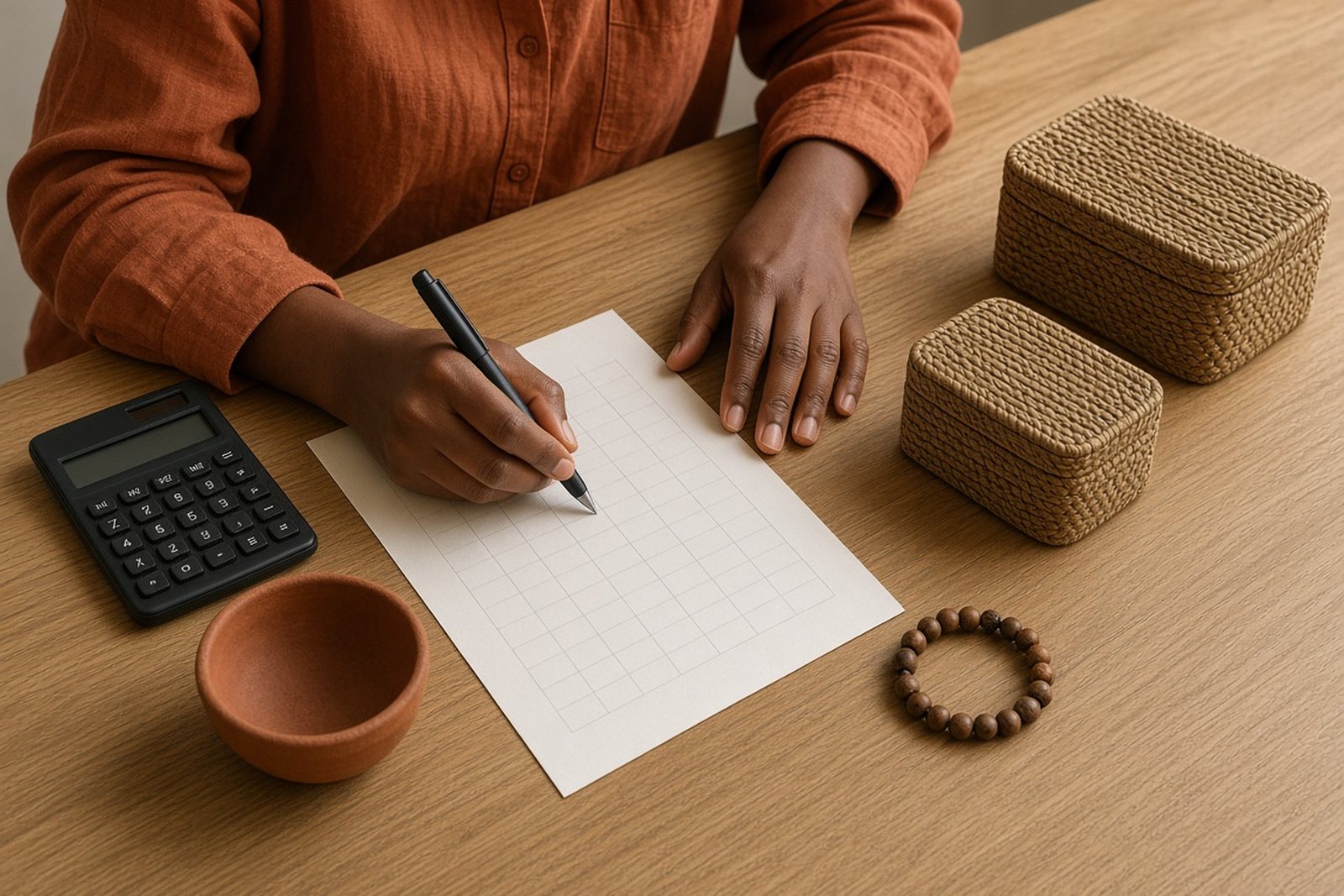
This is a short, intensive working weekend built around real progress, not theory. Across two days, participants move from rough concept notes to a clearer product direction, with checkpoints for use case, materials, making process, target buyer, pricing, and how the item could be produced in South Africa or across nearby markets.
The format is practical. You arrive with an idea, a sketch, a sample, or a problem you are trying to solve, and leave with a better product brief, a sharper pitch, and a list of actions for the next 30 to 60 days. It works well for creators in Johannesburg, Pretoria, Durban, Cape Town and Nairobi who need a concentrated session before a showcase, funding chat or retail conversation.
- Two-day sprint with guided working sessions and feedback points
- Concept shaping, product positioning, price sense check and market fit
- Useful for physical products, small batch items, packaging concepts and maker-led services
- Output includes a working brief, next-step plan and clearer production questions
Sizes and participation options for different teams
The Product Sprint Weekend can be arranged for solo creators, small teams, or chapter-based groups. A single participant format is best when one founder wants direct feedback on a product concept. Small teams of 3 to 5 people suit collaborations where design, making and sales sit with different people. Larger chapter sessions can be structured for 10 to 20 participants, usually with breakout tables and timed feedback rounds.
For mixed groups, the programme can include product designers, workshop teams, digital creators launching physical goods, and community partners supporting market entry. It is often used by Braamfontein Chapter members, then repeated for Rosebank, Newtown, Soweto or Pretoria groups when there is enough interest. If your team is spread across Cape Town, Durban, or online, we can keep the same working format and adjust timing for the session blocks.
- 1 participant for focused founder guidance
- 3 to 5 participants for small team product development
- 10 to 20 participants for chapter or partner sessions
- Online option for remote groups across South Africa and the continent
Where it suits best and what kind of products fit
This programme suits product ideas that need fast testing before a bigger spend. That includes consumer goods, homeware, wearables, small furniture, packaged items, craft-led products and service products that still need a physical sample or presentation kit. It is also useful for people preparing for market stalls, retail buyer meetings, festival showcases, or pilot orders from corporate and community partners.
The weekend works best when the product is still flexible. If you are deciding between materials, trying to set a unit cost, or need to know whether the item can actually be made at scale, this is the right place. For teams in coastal cities like Durban or Cape Town, we also look at moisture, storage and packaging choices. In Johannesburg and Pretoria, we consider dust, transport, and how the product will handle power cuts during making or presentation, which matters more than people think.
- Best for early-stage or pre-launch product ideas
- Useful before a pitch, showcase, or test market
- Helpful for items that need packaging, pricing and production planning
- Suitable for teams balancing manual making with small scale tooling
Venue setup, installation and power needs
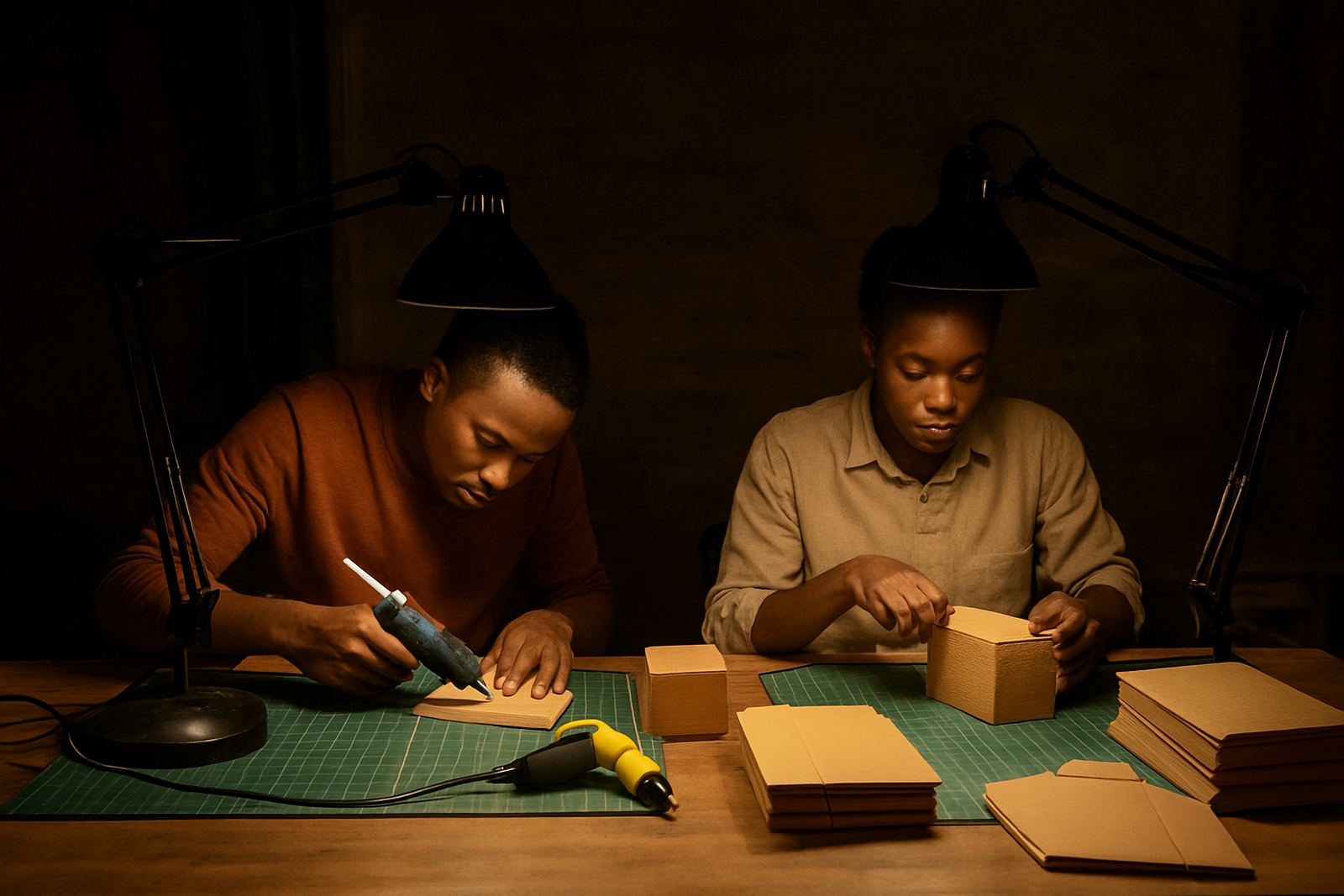
The sprint is hosted in a working venue with enough table space, chairs, plug points and breakaway room access for group sessions. You do not need heavy installation, but the room should support laptops, chargers, a projector or screen, and if needed, product samples laid out for review. For physical demos, a minimum of 1.5 metres by 1.5 metres per working table is a good guide, with extra space for movement between stations.
Power needs are modest, but they must be planned. If the session uses printers, sample lights, a camera set-up or product testing tools, make sure the venue can support the load or has backup power for stage one of the programme. In Johannesburg load-shedding can interrupt a working day fast, so we advise battery backups, charged devices and a clear schedule. No gas is required for the standard programme, though if your product demo involves heat, adhesives or food-related sampling, those needs must be declared in advance and managed under venue rules.
- Tables, chairs, power points and basic projection support
- Backup power or charged devices recommended for load-shedding areas
- No fixed plumbing or gas installation required for standard sessions
- Any heat-based or food sample activity must be approved before booking
Care, follow-up and servicing after the weekend
The programme itself is one weekend, but the work should not stop on Sunday afternoon. After the sprint, the most useful care is follow-up: reviewing the notes, tightening the pricing logic, checking whether materials are still available, and confirming what needs a prototype versus what can move to a small production test. If samples were produced, they should be stored in clean, dry conditions and labelled properly so feedback is easy to compare later.
For teams using tools or presentation items during the weekend, basic servicing applies. Keep charging cables, sample boards and test materials in one kit, and inspect anything electrical before the next session. In coastal areas, protect paper mock-ups and sample packaging from humidity. If there is a gap of more than a few weeks before the next round, do a quick refresher meeting so nobody loses the thread. It saves time, and prevents small mistakes from becoming expensive ones.
- Store samples in a dry, labelled system after the session
- Review pricing and material notes
- Check any electrical equipment before reuse
- Book a follow-up session if the concept needs another test round
What to check before you book a sprint
Before confirming the weekend, check whether the concept is ready for a working session and not just a chat. Bring a rough sketch, sample, mood reference, material list or problem statement if you have one. It helps to know your target customer, expected selling price range, where the product will be made, and whether you need help with packaging, styling, collaboration matching or creator photography after the sprint.
You should also confirm the venue size, transport access, parking, accessibility, and any rules around noise, adhesives, open heat or public-facing activations. For chapters such as Braamfontein, Newtown and Rosebank, venue flow matters because people may arrive by Gautrain, taxi or ride-hailing. If your team is coming from Soweto, Pretoria or Durban, plan your timing carefully, because a rushed start weakens the whole weekend. The more complete your order notes are, the better the sprint will be.
- Bring a clear concept note or sample, even if it is rough
- Confirm customer type, price range and production location
- Check venue access, parking and public transport connections
- State any special needs early, including power backup or sample handling
Key facts
| Programme length | 2 days, usually Saturday and Sunday |
|---|---|
| Group size | 1 to 20 participants depending on format |
| Output | Product brief, pricing notes, market fit questions and next-step plan |
| Venue needs | Tables, chairs, plug points, projector support and working space |
| Power and gas | Standard power only, no gas required unless approved for a special demo |
| Best for | Early-stage product ideas, pre-launch testing and small-batch planning |