The Brief From Pretoria Makers
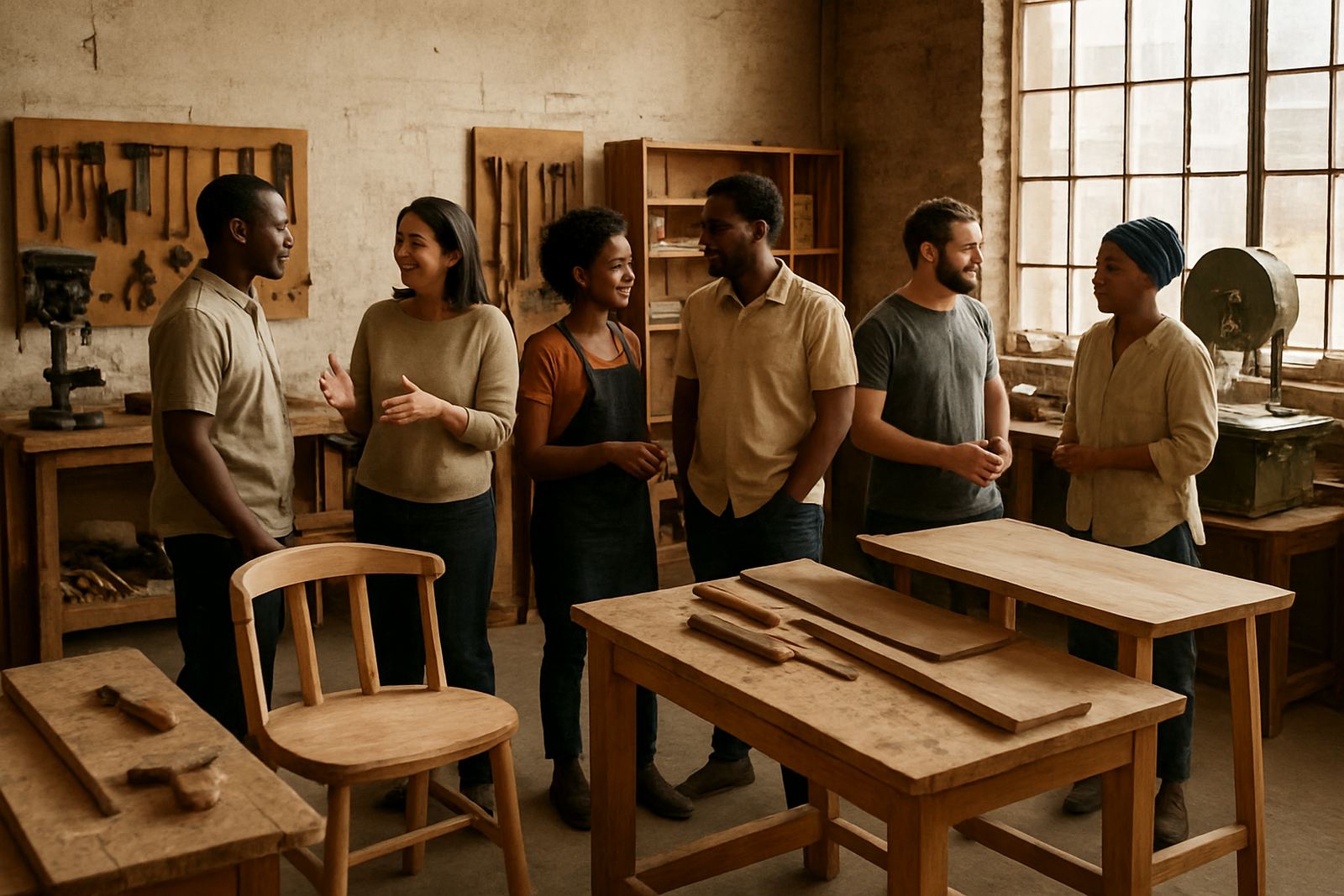
The client was a Pretoria-based group of makers working across product design, printed goods and small batch workshop output. They asked for an open day that felt organised but still personal, with enough structure to guide guests through the space and enough breathing room for proper conversations.
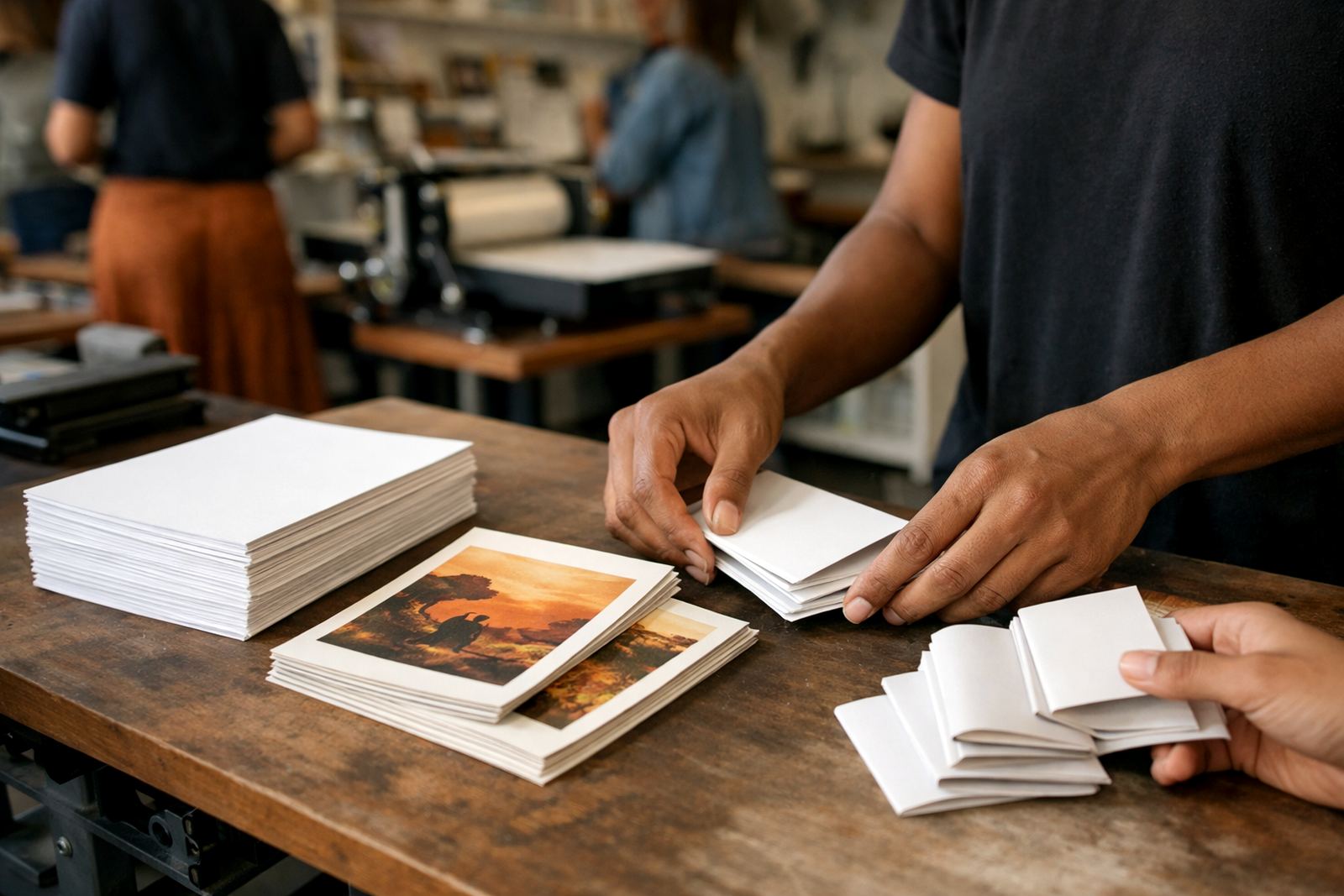
The main brief was simple: let people see the process, not only the finished items. They wanted guests to walk through the making journey, meet the creators behind the work and leave with a clearer sense of what could be commissioned, stocked or partnered on. The challenge was that the team had limited floor space, shared equipment and a very tight prep window.
- Client type: maker collective and independent creator group
- Town: Pretoria
- Format: open studio day with invited guests
- Focus: process, tools, new work and partnership conversations
- Audience: buyers, collaborators, creatives and community partners
What Had To Work In The Space
The studio had to remain operational on the day, so we planned around moving bodies, cable runs, display tables and safe access to tools. Pretoria weather can shift quickly and load-shedding was part of the planning too, so the layout needed to work with daylight first and backup power second. We kept the visitor route short and clear, with one way in and one way out to avoid congestion.
There were also practical constraints around noise, dust and timing. Some of the work was still in production, so we could not simply treat the space like a gallery. We had to protect finished pieces, keep raw materials out of the guest path and make sure the presenters could speak without being drowned out by workshop activity. That meant careful zoning, labelled stations and a run sheet that the whole team could follow.
- Floor space was limited, so the walk-through had to stay compact
- Backup power was needed for lights, speaker and camera gear
- Display surfaces had to double up as working surfaces after the event
- Guest flow needed to stay calm, with no bottlenecks near the tool area
Our Work Across Four Weeks
We ran the project over four weeks from first planning call to final guest departure. In week one we shaped the format, mapped the floor and agreed the list of invitees. Week two was for programme building, so each creator had a clear slot for introductions, process talk and questions. Week three covered styling, content capture and guest journey planning. Week four was the final production week, with a full walk-through, timing check and setup on site.
What we supplied covered the full open day flow rather than only the event itself. We handled showcase curation, creator profile writing, portfolio feedback, collaboration facilitation and event production support. The result was a programme that felt practical and steady, not overpacked. Guests had time to look at the work, ask proper questions and see where each piece sat in the broader practice.
- 4 week delivery timeline from brief to event day
- Invited guest list refined for buyers, peers and partners
- Creator speaking notes prepared for short presentations
- Run of show built around arrivals, walk-throughs and closing conversation
Showcase Curation And Styling Choices
The display needed to be clean enough for photos but still true to a working studio. We grouped the work by process rather than by creator name alone, so guests could see how materials moved from raw state to finished item. That helped people understand the methods behind the output and also made the conversation easier for first time visitors.
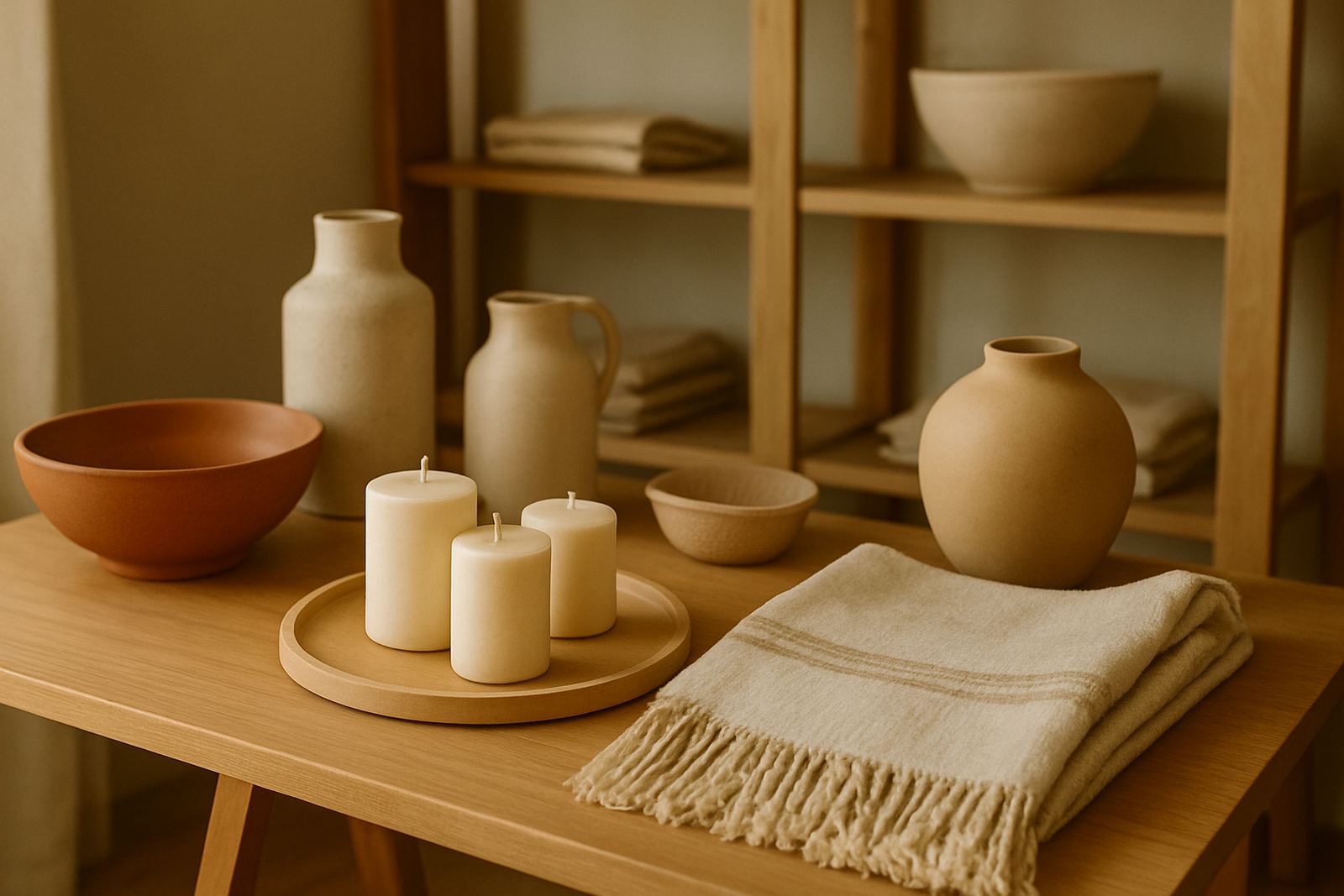
For the styling, we used simple table groupings, upright display stands and labelled notes that explained material choices, time to make and intended use. Where pieces were fragile or still in testing, we kept them visible but protected. We also supported product styling for a few hero items, including flat lays and detail shots that could be used later for press packs and partner follow up. A few of the creators had never had their work photographed in a proper setup before, so the pace had to stay patient and practical.
- Process-led display layout by material and making stage
- Clear labels for medium, lead time and use case
- Creator product styling for key pieces and sample sets
- Photography angle planning for social and partner use
How The Day Ran For Guests
Guests arrived in timed groups so the space could stay comfortable and the presenters could keep their rhythm. Each stop on the route had a short introduction, a process explanation and time for questions. That format worked well because it gave creators room to speak in their own voice, while still keeping the day moving.
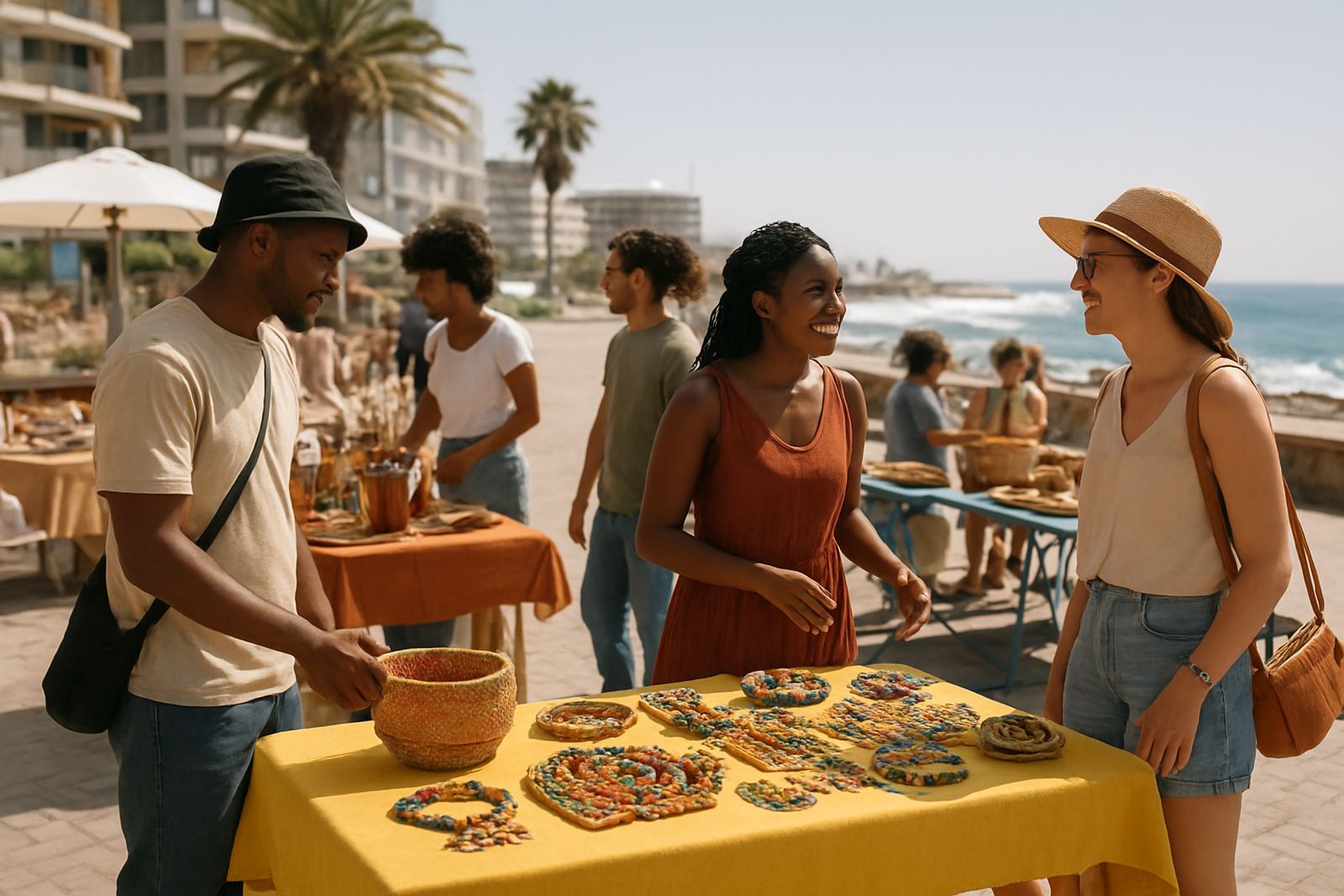
We also handled collaboration facilitation during the open day, which meant introducing people who should speak after the event as well as those who could work together immediately. Some guests were looking for stockists, others wanted mentorship, and a few were scouting makers for future commissions. The open day did its job because it created real contact, not just polite attendance.
- Timed guest arrivals to avoid crowding
- Short speaking slots per creator
- Dedicated question time after each section
- Follow-up list captured for partners, mentors and buyers
Results And What We Would Repeat
The open day gave the Pretoria team a proper platform to present their work with confidence. Guests left with clearer understanding of the making process, the scale of the work and the kind of support the group needed next. The strongest outcome was that several visitors moved beyond compliments and started real conversations about stock, partnerships and future showcases.
If we did this again, we would keep the same structure but open up a slightly longer question window at the end. That would give room for deeper pricing support and more direct market readiness conversations. We would also keep the process-based layout because it helped the event feel grounded, even with a fairly mixed guest list. It was a good reminder that an open studio day works best when the space is treated like a working environment, not a stage.
- Clearer understanding of the makers and their process
- More follow-up conversations with buyers and partners
- Better confidence from the creators when speaking about their work
- Stronger photos and profile material for future outreach
Key facts
| Client type | Pretoria-based maker collective |
|---|---|
| Project location | Pretoria, Gauteng |
| Format | Studio-style open day for invited guests |
| Timeline | 4 weeks from planning to event day |
| Core services | Showcase curation, event production, photography, styling, portfolio feedback |
| Audience | Makers, buyers, collaborators and community partners |