What the Durban brief asked for
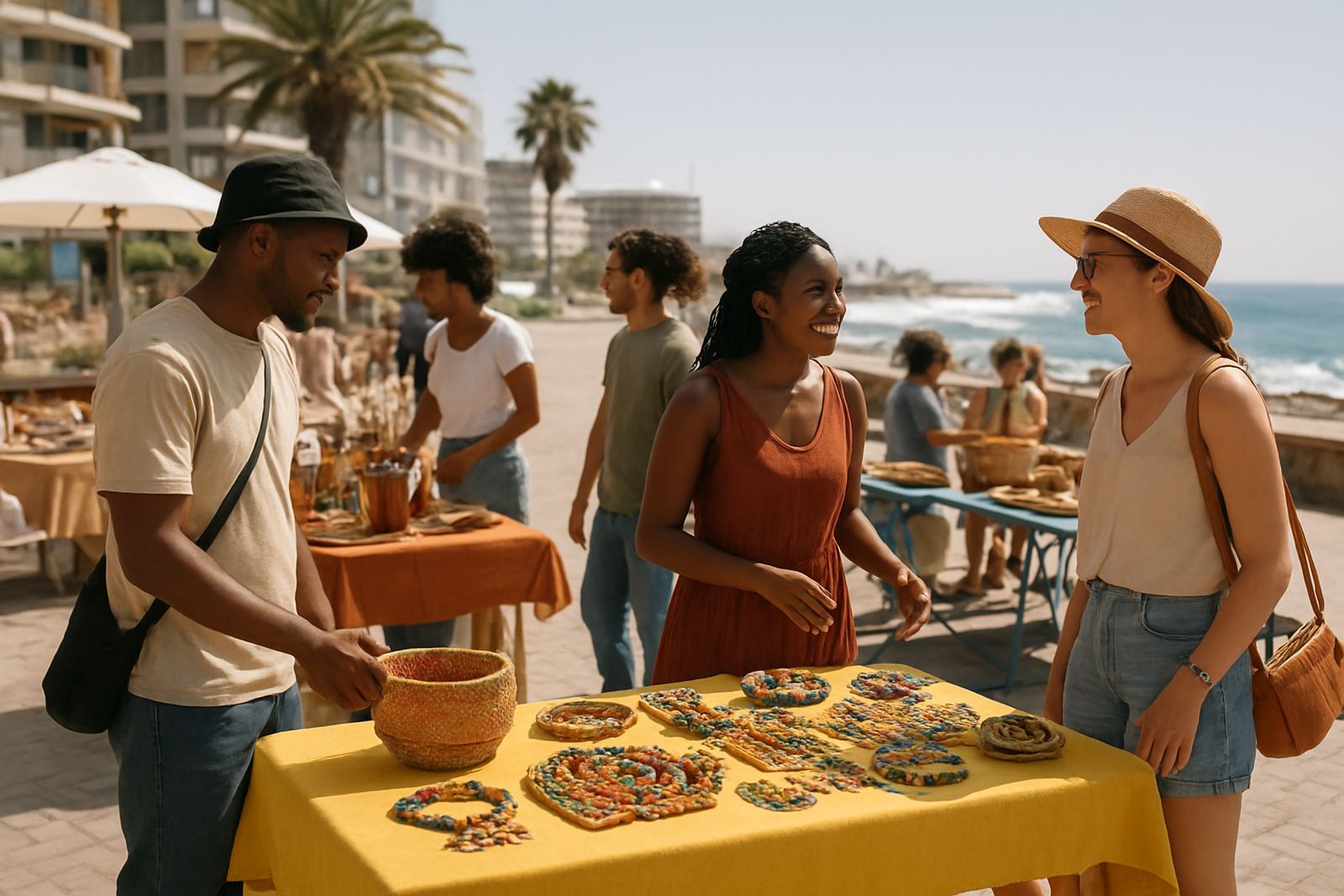
The client was a South African creator group based in Durban, working with a mix of product makers, visual creators and small-batch workshop teams. They wanted a pop-up that would feel open and welcoming to casual foot traffic, but still give each maker a proper commercial setting with enough order for sales, stock handling and visitor movement. On the surface it sounded clear, but the Durban pop-up needed a layout that could actually carry the detail The space had to support African-made products, tell the story behind the work, and hold up in a busy beachfront setting where the weather, the wind and the public pace can all change quickly.
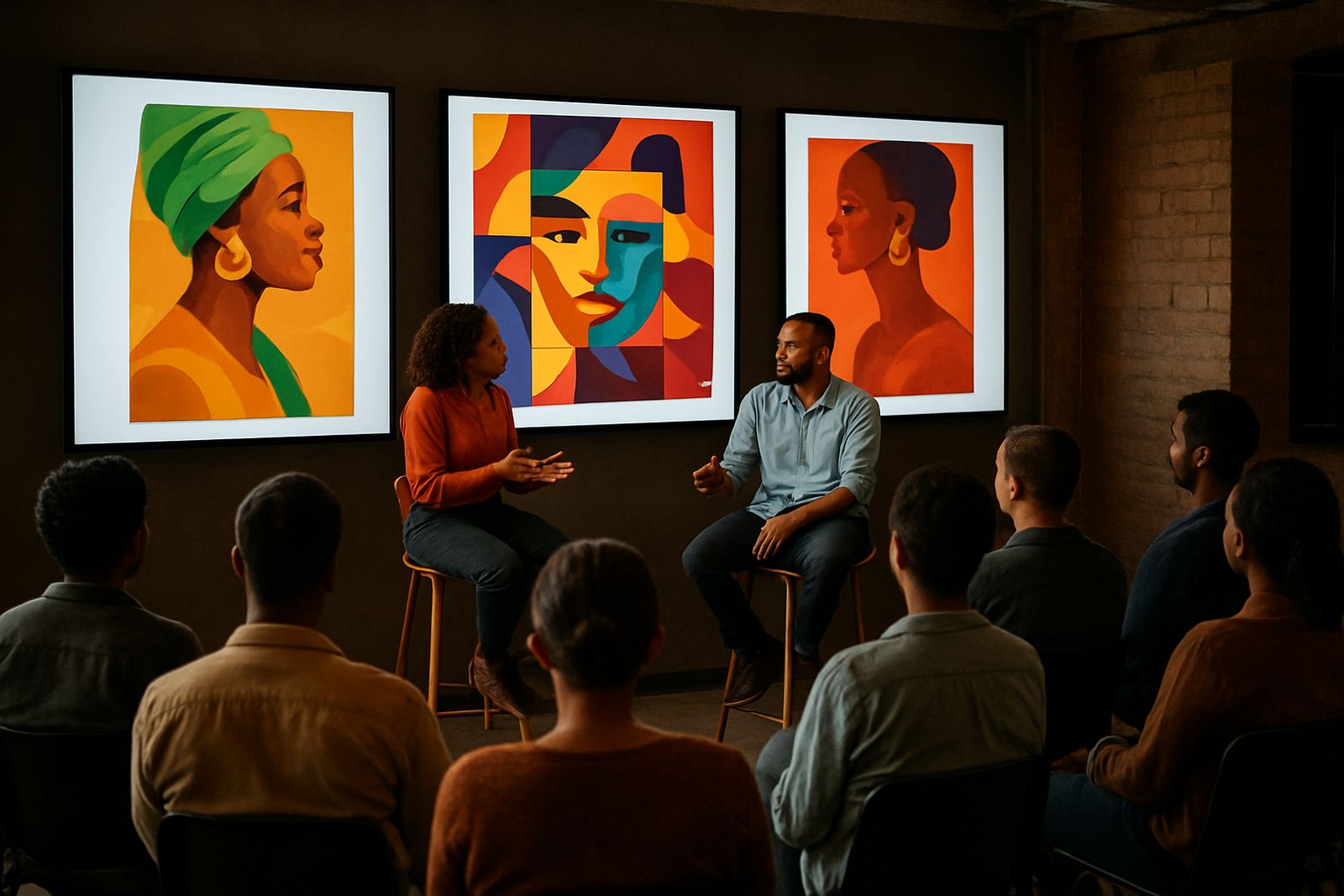
We started by mapping the products into clear categories so the layout made sense from the first minute. That meant separating smaller giftable items from larger display pieces, making room for live conversation at the tables, and keeping the circulation line easy for families, tourists and local visitors. The brief also called for more than just trading. It needed a public-facing showcase that could build pride around local making, with strong visuals and enough structure so the team could use the same format again in another coastal town if needed.
Beachfront constraints we had to plan around
Durban beachfront trading brings its own set of practical issues. Salt air affects packaging and printed material, the wind can unset light displays, and bright sun can fade or flatten product presentation during the day. On top of that, public spaces near the promenade need tidy setup, controlled loading times and clear boundaries so the stall area stays safe and does not spill into walkways. We also had to think about power access, because some creators needed phones charged for payments and content capture, while others relied on small lights and audio for product explanations.
The timing sat within a short seasonal window of 2 weeks from first planning meeting to opening day. That left little room for trial and error, so every decision needed to work the first time. We made the layout modular, packed displays for easy movement, and kept the signage simple enough to stay legible in glare. It was not a large indoor fair with soft conditions, it was a beachfront pop-up, so the solution had to be practical before it could be pretty.
- Location: Durban beachfront public trading area
- Format: Seasonal pop-up showcase and sales stall
- Duration: 2 weeks planning, 3 days live trading
- Main audience: Walk-in public, tourists, local families and creatives
- Risk factors: Wind, salt air, sun exposure and changing foot traffic
What we brought and how the pop-up was laid out
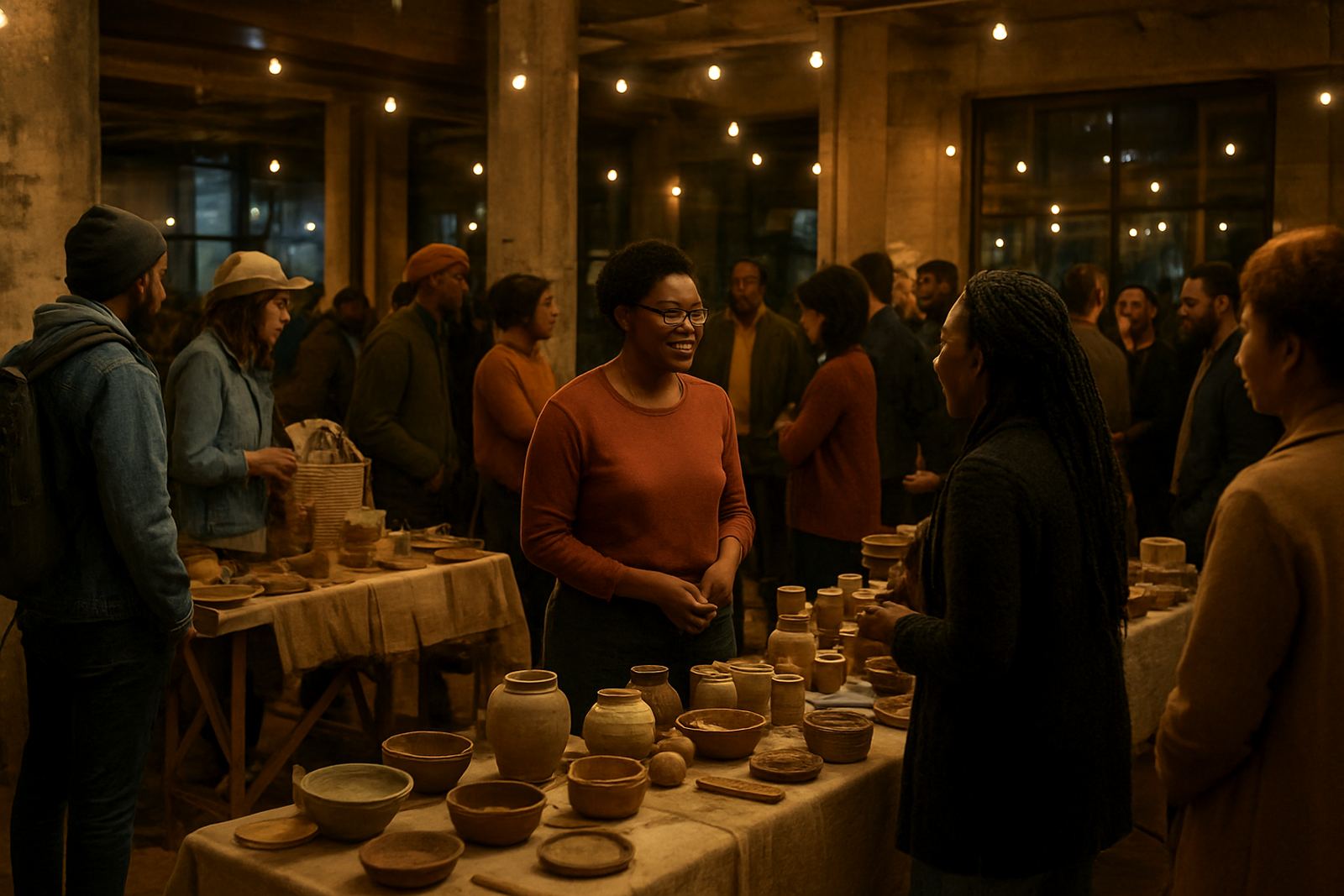
Our role covered the full creator-facing setup. We handled showcase curation, product styling, creator profile writing, photography direction, and collaboration support so the event did not feel like a random market table arrangement. Each maker got a clear story panel, a product grouping that matched their range, and guidance on what to say when visitors asked about materials, lead times or pricing. That made the pop-up easier to run and easier for the public to understand.
We also supported the event side. The team planned the stall sequence, coordinated load-in times, and set a simple front-of-house flow that allowed people to stop, browse and move without crowding. A few practical details made a big difference: weighted display units for the sea breeze, laminated price cards, quick-clean table coverings, and packaging that could handle coastal humidity without curling. The result was a sharp, grounded setup that let the products do the talking, while still giving the space a sense of care and order.
- Showcase curation for 14 participating makers
- Creator profile writing for display and social use
- Photography support for products and people
- Price guidance and market-readiness checks
- Coastal-safe display planning and load-in coordination
The public response on the promenade
The strongest result was reach. The beachfront brought in a mixed audience that a closed-room showcase would never have touched. People stopped because they were already out walking, then stayed because the work was easy to understand and the creators were present to speak for themselves. Handmade product categories that normally need a bit of explanation performed well once the story behind each item was visible. Visitors responded especially well to pieces with clear local references, honest pricing and visible craftsmanship.
We also saw better than expected conversation around value. When makers could explain materials, time and process, the public was more willing to pay fair rates. A few visitors came back later in the day after comparing items, which told us the display and the messaging were doing their job. In one or two cases the team picked up direct follow-up interest from buyers who wanted custom work or future collaboration. That sort of response is hard to capture in a single count, but it matters because it turns a one-off pop-up into a lead source, not just a sales table.
By the end of the run, the client had a cleaner sense of which products drew the fastest attention, which stories needed more explanation, and how many items should be carried in a future coastal event. The team also left with photos and written copy they could use again, so the pop-up continued to work after the last day had ended.
What we would repeat for the next coastal pop-up
If we did this again, we would keep the core format and tighten a few operational details. The pop-up proved that creators do well in a public promenade setting when the table plan is simple, the stories are short, and the team is ready to speak confidently about price and process. For another Durban event, or a similar coastal stop elsewhere, we would keep the same practical mix of curation, styling and public-facing support, then build in a slightly longer lead time for stock checks and signage prep.
We would also keep the collaboration elements strong. The most useful part of the event was not only the sales, but the way makers connected with one another and with new audiences. A few of those contacts could grow into joint product drops, shared exhibitions or cross-city mentoring. That is where the value compounds. A single pop-up can do a lot more than move stock, it can help a creator see where their work fits in the wider market and what to improve next.
For future beachfront activations, we would keep the same emphasis on weather-aware materials, readable pricing and personal introductions. Those are small things on the day, but they make the whole project feel more professional and less like a scratchy market setup.
Key facts from the Durban project
This pop-up worked because it combined creator storytelling with disciplined event handling. It was seasonal, public-facing and tightly paced, with a clear commercial aim. The beachfront location gave the project strong visibility, while the curation kept the experience coherent for people who had never met the makers before. The team left with practical insight, direct audience feedback and assets that could be reused for future showcases.
- Project type: Seasonal beachfront pop-up
- Town: Durban
- Timeline: 2 weeks planning, 3 days on site
- Services used: Showcase curation, product styling, photography, creator profiles, collaboration support
- Primary outcome: Public exposure, direct sales, and stronger creator visibility
- Key lesson: Simple layout and clear pricing work best in windy outdoor trade settings
Key facts
| Client type | South African creator group with product makers, designers and small workshop teams |
|---|---|
| Project location | Durban beachfront public trading area |
| Timeline | 2 weeks planning and 3 days live trading |
| Audience | Walk-in public, tourists, families and local creatives |
| Services supplied | Showcase curation, portfolio feedback, creator photography, product styling, pricing support and profile writing |
| Main challenge | Managing wind, salt air, sun exposure and foot traffic in an open coastal setting |