What Youth Creator Lab Covers
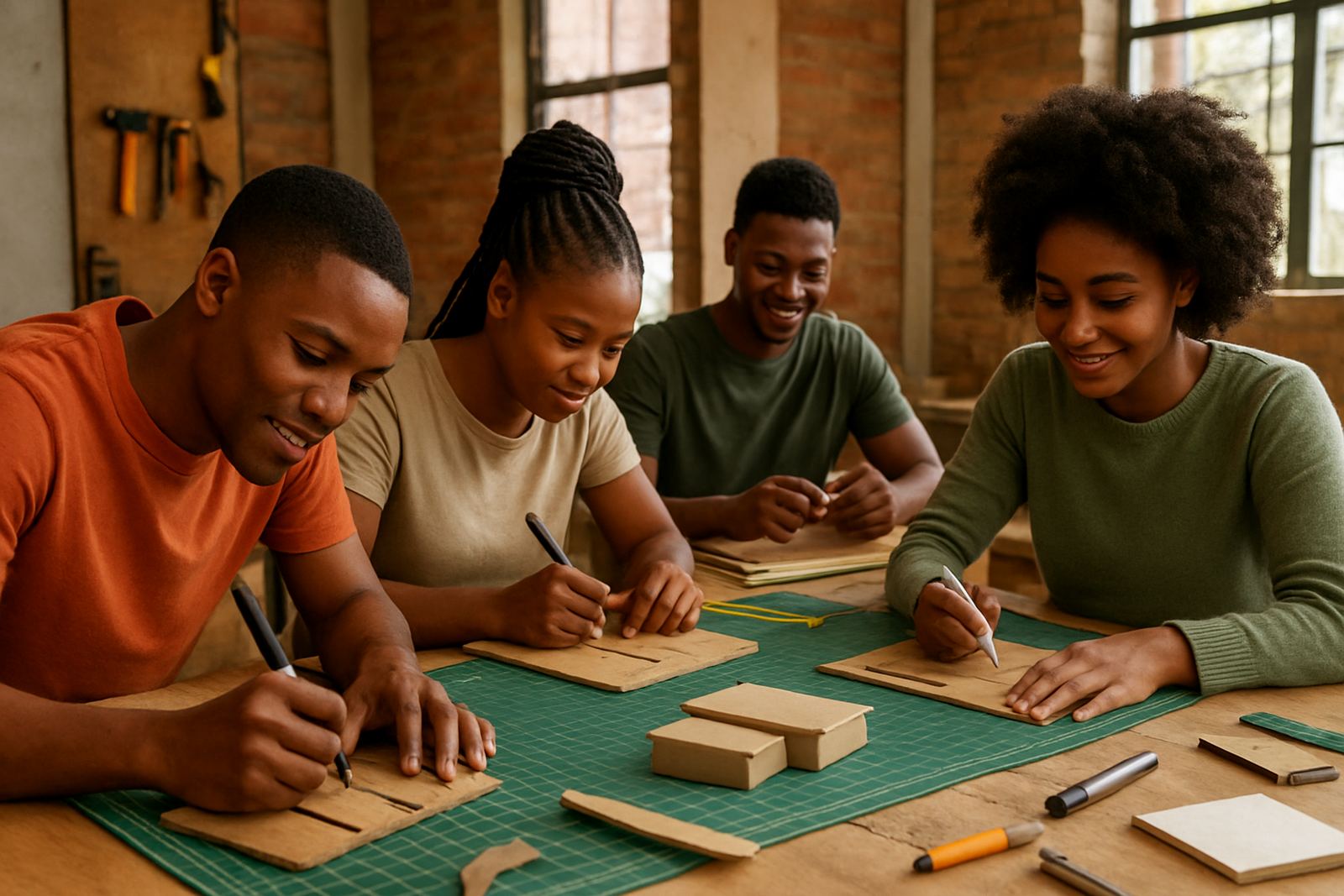
Youth Creator Lab is built for schools, youth hubs, libraries, maker spaces and community groups that want structured creative sessions for teenagers and young adults. Each lab focuses on hands-on making, simple problem solving and the basics of turning an idea into something people can use, buy or share. The sessions work well for first-time creators as well as young people already experimenting with product design, content, fashion, visual art or small business ideas.
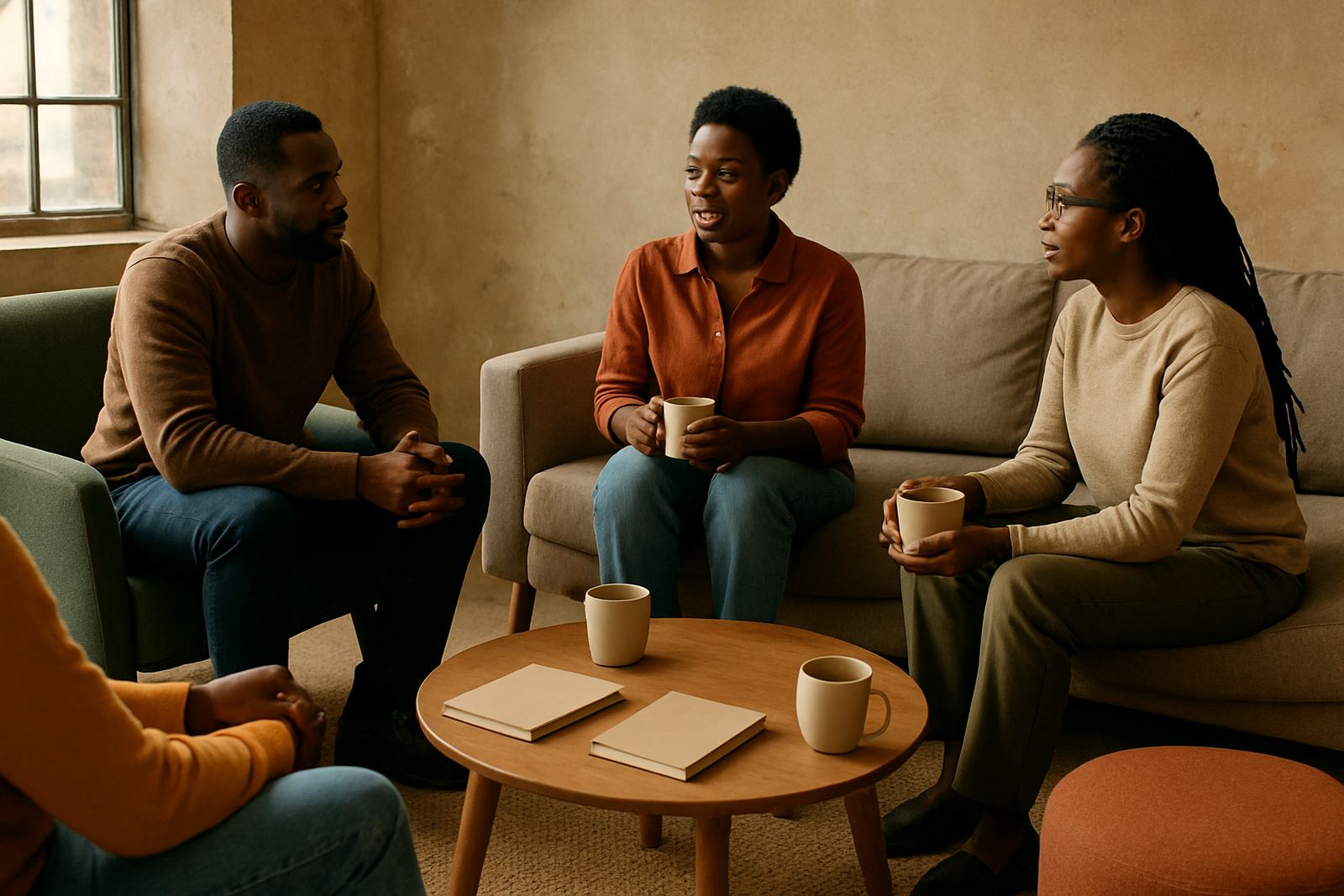
The format is practical and social. Participants move through short demonstrations, guided exercises and small group feedback, with room for questions throughout. We keep the pace steady so learners stay engaged, and the content can be shaped around age group, skill level and the time available on the day.
- Creative thinking and idea generation
- Basic design thinking and prototyping
- Introduction to pricing and market awareness
- Presentation skills and creator confidence
- Simple collaboration exercises
Session Sizes and Format Options
You can book Youth Creator Lab as a compact two-hour session, a half-day workshop or a fuller day programme depending on your group and venue. Smaller groups allow more one-on-one guidance, while larger groups suit schools and community events where you need broader participation across several stations. We normally recommend keeping the group size balanced so each participant gets enough time with the facilitator and materials.
Typical format options are flexible enough for Johannesburg, Pretoria, Durban, Cape Town and online delivery. For in-person sessions, a group of 15 to 25 is comfortable. For more intensive mentoring style work, 8 to 12 participants gives better depth. If you are planning a showcase style lab, we can also structure the day around demonstrations, portfolio sharing and short pitch moments.
- 2 hour intro lab for tasting the basics
- Half-day workshop for guided making and feedback
- Full-day lab for deeper group work and small presentations
- Online session option for distributed groups across the continent
For schools and youth centres, the content can be split into two age bands, usually 13 to 16 and 17 to 24, so the examples and exercises feel relevant. That usually works beter than a single mixed group when the aim is meaningful participation.
Where It Suits Best in South Africa
Youth Creator Lab suits spaces that already host learning, culture or enterprise activity. In Braamfontein and Newtown it works well for studios, coworking venues and community halls. In Soweto, Pretoria, Durban and Cape Town it fits youth hubs, school holiday programmes and municipal arts spaces. It also travels well to township venues, college campuses and entrepreneurship programmes that need a practical creative angle.
The lab is especially useful where young people need more than theory. If your group is asking how to price a product, how to package an idea, how to present work to a partner or how to stay consistent with limited resources, this format gives clear answers. It also suits communities dealing with load-shedding or shared space because the session design can be adjusted to low-power or no-power conditions.
- Schools and after-school programmes
- Youth centres and community halls
- Maker spaces and design labs
- Festival side programmes and holiday clinics
- Online learning groups and cross-border creator cohorts
Setup, Power and Venue Requirements
Most Youth Creator Lab sessions need a clean room, enough table space and seating arranged so participants can work in small groups. For hands-on activities, a classroom, studio, hall or multipurpose room is usually fine. If the session includes photography, digital feedback or live presentation support, then access to plug points and stable lighting helps, but we can also run a lower-tech version when the venue has limited power.
For venue planning, please allow for basic movement around the room, water access if materials require cleaning, and a safe place to store bags and finished work. If your site uses backup power or generators, it helps to note it in advance. We will then plan the session so any digital or audio elements do not get interrupted. No gas is normally required for standard Youth Creator Lab sessions, unless the workshop includes a special materials process that has been agreed beforehand.
- Tables or work surfaces for group activities
- Seating for the full participant count
- Access to plug points if digital support is included
- Good daylight or strong indoor lighting
- Safe storage for equipment and finished pieces
For outdoor or pop-up sessions, weather cover is important. Braamfontein venues in particular can need extra consideration for wind, noise and building access, especially when younger participants are arriving in groups.
What We Prepare and How It Is Delivered
Each lab is prepared around the goals of the host organisation. Some groups want a first introduction to creative entrepreneurship, while others want a stronger product focus with pricing, packaging and market readiness. We will shape the exercises, prompts and discussion points to match the age group and the time available. Where useful, we also include creator profile writing, portfolio feedback and mentor matching as follow-up support.
Delivery can include practical exercises that are simple enough to complete in one session but useful enough to build on later. This may involve sketching, naming an idea, mapping a buyer, testing a pitch, or photographing a sample item with a phone. The point is to help young makers leave with something tangible, not just notes in a book.
- Briefing and audience alignment before the session
- Facilitated exercises with guided discussion
- Light feedback on ideas, products or profiles
- Optional showcase moment at the end
- Follow-up recommendations for next steps
Care, Servicing and Programme Follow-Up
Because Youth Creator Lab is a live learning format, the main care requirement is keeping the venue, materials and participant flow in order. Hosts should assign one point of contact on the day for room access, attendance and any last-minute changes. If the lab includes borrowed equipment, materials or display items, everything should be checked back in after the session and stored in a dry place.
For repeat bookings, we recommend a short review after each lab so the next session can improve. That can include what the group found useful, where participants lost focus, and whether the pace was right. For schools and organisations running several dates through the year, a staggered programme works best, with one intro session followed by a more focused mentorship or showcase day later on.
There is no heavy servicing needed, but ongoing support can include mentor matching, market readiness guidance and collaboration facilitation for strong young creators who are ready for the next step. If you are building a longer youth programme, we can also help with creator photography and product styling for final presentation days.
What to Check Before You Book
Before ordering a Youth Creator Lab, it helps to confirm the age range, group size, venue type and the outcome you want from the session. A clear brief makes it much easier to match the right exercises to the group. If the aim is skill-building, then we keep the focus on making and reflection. If the aim is visibility, then showcase and profile work can be added.
You should also check whether your venue has enough tables, whether power is available if needed, and whether you need support for a morning, afternoon or full-day slot. If the group includes learners from different schools or towns, plan enough time for sign-in and introductions. In Johannesburg traffic can be unpredictable, so it is worth giving participants clear arrival details and a contact person on the day.
- Participant age range and number
- Preferred session length
- Venue access and seating layout
- Power availability and lighting
- Whether you need follow-up support after the lab
If you are not sure what version to book, start with a short intro lab and build from there. That keeps the session manageable and gives you a better sense of what the group needs next.
Key facts
| Format | Hands-on youth workshop programme for makers, designers and young entrepreneurs |
|---|---|
| Session lengths | 2 hours, half-day, full-day or multi-session series |
| Group size | Recommended 8 to 25 participants depending on session depth |
| Delivery areas | Braamfontein, Johannesburg, Pretoria, Durban, Cape Town, online and selected cross-border sessions |
| Power needs | Optional plug points for digital support; low-power format available |
| Venue needs | Tables, seating, safe storage and basic lighting; no gas required for standard sessions |