
What Storytelling for Makers covers
This session package is for creators who know their work well, but need help putting that knowledge into words people can use. We look at the origin of the product, the materials, the labour behind it, the local context and the value to the buyer. That can be a craft item, a design service, a small-batch product or a maker-led collaboration. The goal is simple: turn lived experience and practical process into a clear story that can be used in pitches, profiles, showcase notes and market conversations.
Each session is led with the same practical approach we use in our Braamfontein programmes. We do not force a fancy script. We help you identify what is true, what is useful and what should be said first. If your work crosses more than one town or country, we also help you explain that in a way that feels grounded, not overworked.
- Process and material story mapping
- Origin notes for products, collections and services
- Value explanation for buyers, partners and curators
- Short creator bio writing and profile clean-up
- Support for showcase text, stall cards and captions
Who this suits and where creators get the most from it
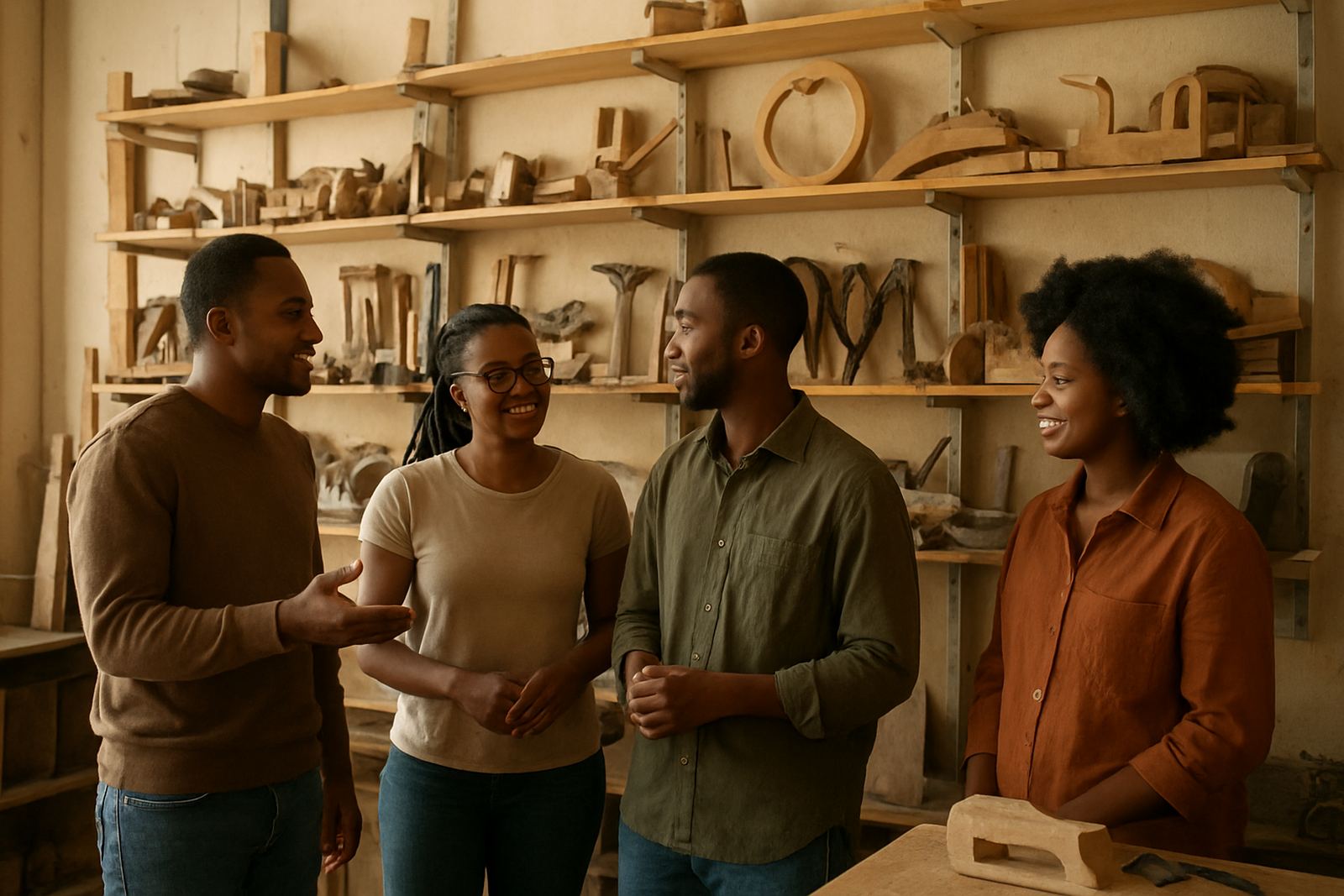
Storytelling for Makers suits product designers, printmakers, textile teams, ceramic makers, furniture studios, digital creators and cross-border collaboration groups. It also works well for community projects that need to explain why a piece costs what it costs, or why a process takes longer than a casual buyer may expect. In Johannesburg, it is especially useful for teams preparing for popup showcases in Braamfontein, Rosebank, Newtown or Soweto, where visitors ask direct questions and expect straight answers.
The sessions also suit online groups in Cape Town, Durban, Pretoria and Nairobi. For remote teams, we keep the format structured so people can join from a studio, a co-working space or home. If you are working in a maker space with load-shedding, patchy Wi-Fi or a noisy shared floor, that is fine. We can still run the session properly, but it helps to have a quiet corner and enough battery on your device.
- Best for launch prep, showcase season and profile refreshes
- Useful for grant narratives, partner decks and market applications
- Works for individuals, collectives and small production teams
- Helpful when several people speak for the same brand and the message has drifted
Session sizes and delivery options
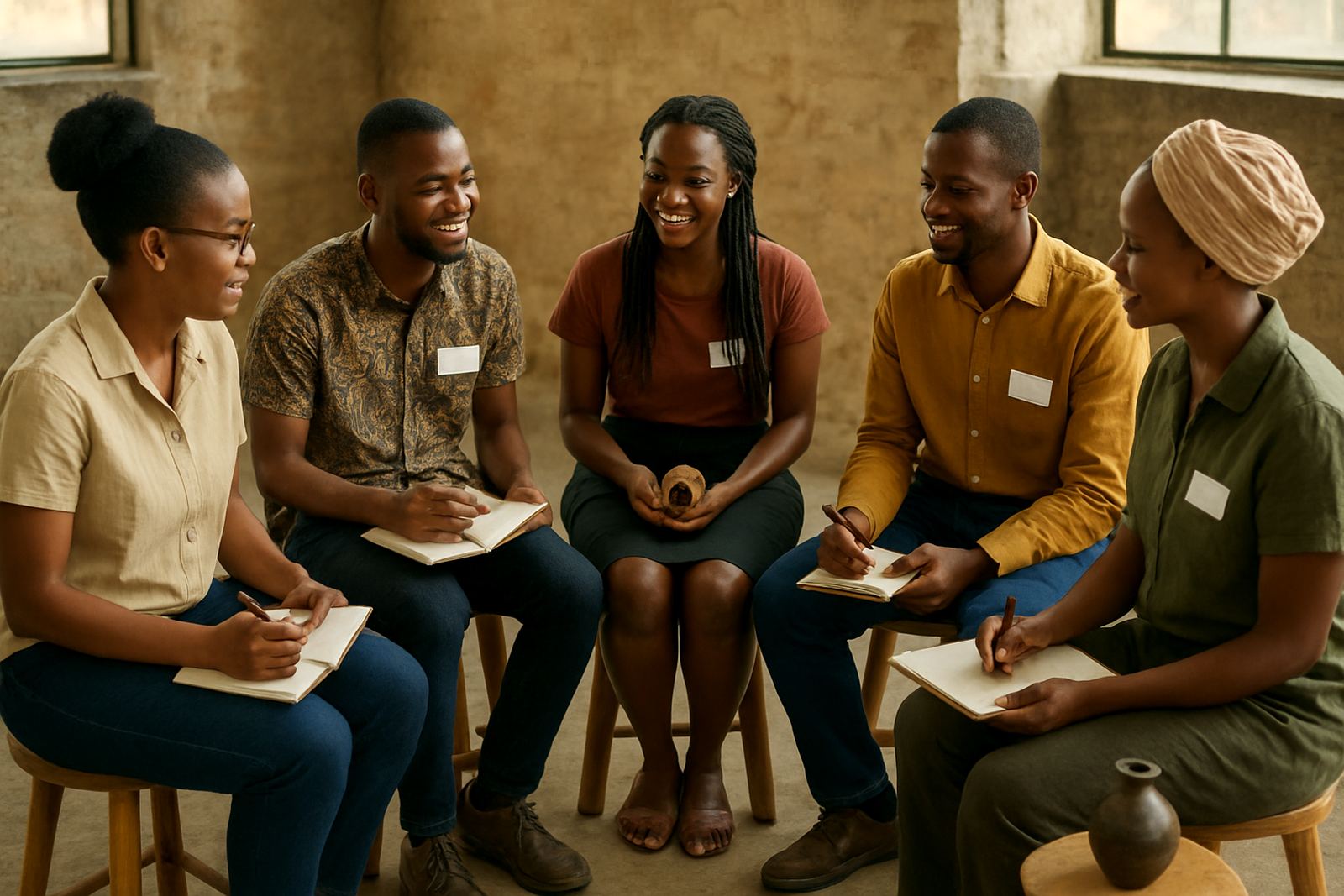
We run Storytelling for Makers in a few practical formats, so the session can match the size of the team and the level of support needed. A one-to-one session is ideal if you want help shaping your own voice, refining a product origin story or preparing for an interview. Small-group sessions work well for collectives, incubators and chapter-based meetups where people benefit from hearing each other’s drafts and examples.
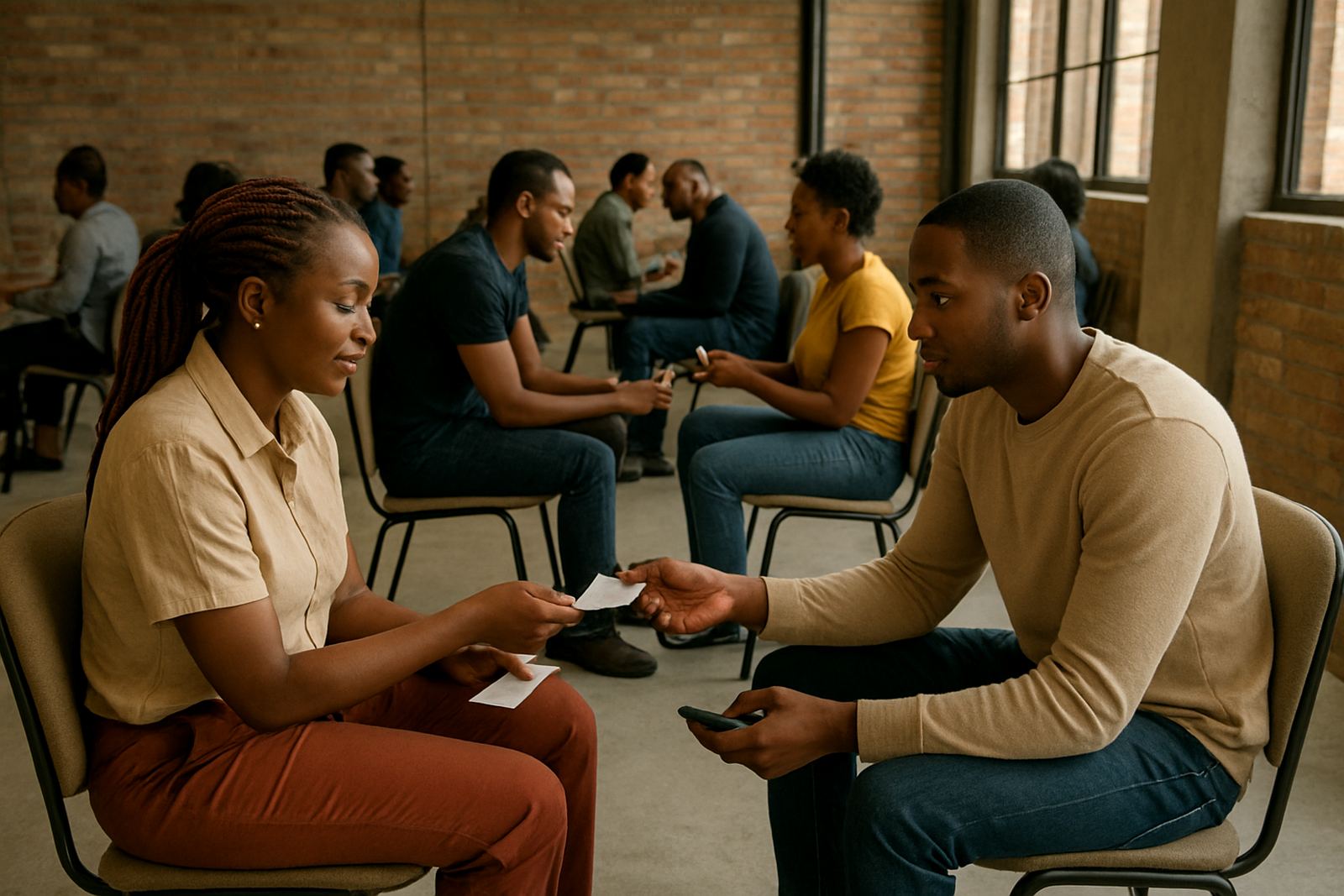
For larger groups, we can host a guided workshop with breakout review, or a hybrid session with both in-person and online participants. The material is adjusted to suit the audience, from early-stage makers to experienced studios that need a cleaner public story. Sessions are usually 60, 90 or 120 minutes, with follow-up notes if required.
- 60 minutes: focused edit of one story or profile
- 90 minutes: story mapping plus guided drafting
- 120 minutes: workshop format with examples and live feedback
- Online, in-person or hybrid delivery available
What we need before the session
To get useful results, we ask for a few basics before we start. Bring product photos, notes on materials, names of people involved in the making, rough price points and any existing copy you already use. If the work has a cultural reference, local source or community link, include that too. That helps us avoid vague language and keep the story specific. A photo of the finished piece is useful, but process shots are even better when you want to explain time, skill and care.
There is no special power or gas need for this service. If the session is online, you only need a charged laptop or phone, stable data and a headset if the space is busy. For in-person sessions, a small meeting room, table and enough seating for the group is enough. If you are running it from a venue with municipal noise limits or shared building rules, we can keep the format tidy and time conscious.
- Bring 3 to 5 products or examples if possible
- Share any existing profile, bio or pitch text before the session
- Have supplier details, material names and origin notes ready
- Use a quiet room if you need recording or live read-throughs
Care, servicing and keeping the story current
This work holds up best when you revisit it often. A maker story can drift after a new collection, a change in materials or a move into new markets. We recommend reviewing the wording every 3 to 6 months, or after any major production change. If a product line grows from handmade batches to a mixed production process, the story should say so clearly. Buyers notice when the wording no longer matches what they see.
There is no physical equipment to service, but the content does need checking. Look at spelling, pricing references, dates, location names and whether the language still sounds like your team. If you work across different chapters or cities, keep the place names accurate and up to date. A clean story saves time later when you are asked for a quick intro, a market bio or a short explanation in front of a customer.
- Refresh copy after new launches or major production changes
- Check consistency across labels, stalls, profiles and social posts
- Keep names, locations and dates current
- Save approved versions so the team uses the same wording
What to check when ordering
When you enquire, tell us what you need the story to do. A profile for a showcase needs a different tone from a buyer-facing brand note or a mentor application. Also tell us how many people will speak for the brand, whether the work is individual or collective, and where the final wording will be used. That way we can shape the session properly and not waste time on the wrong angle.
Please also check whether you need a short, medium or longer form version. Some clients only need 80 to 120 words for a programme listing, while others need a fuller creator narrative, product summary and speaking notes. If you are preparing for a Braamfontein showcase or a cross-border session, allow enough lead time for review. A rushed story often misses the small details that make the work credible, and that is where most value sits.
- State your main use case: showcase, profile, pitch or sales
- Confirm team size and who will approve the final wording
- Send any existing text so we can work from what you already have
- Tell us if you need short copy, long copy or both
Key facts
| Format | One-to-one, small group, workshop or hybrid session |
|---|---|
| Session length | 60, 90 or 120 minutes |
| Delivery areas | Braamfontein, Johannesburg, Cape Town, Durban, Pretoria, Nairobi and online |
| Use cases | Creator bios, showcase notes, buyer pitches, profile writing and market readiness |
| Requirements | Product photos, material notes, origin details and existing copy if available |
| Power and setup | No gas needed; online sessions need charged devices, data and a quiet space |