
What Creator Speed Networking is for
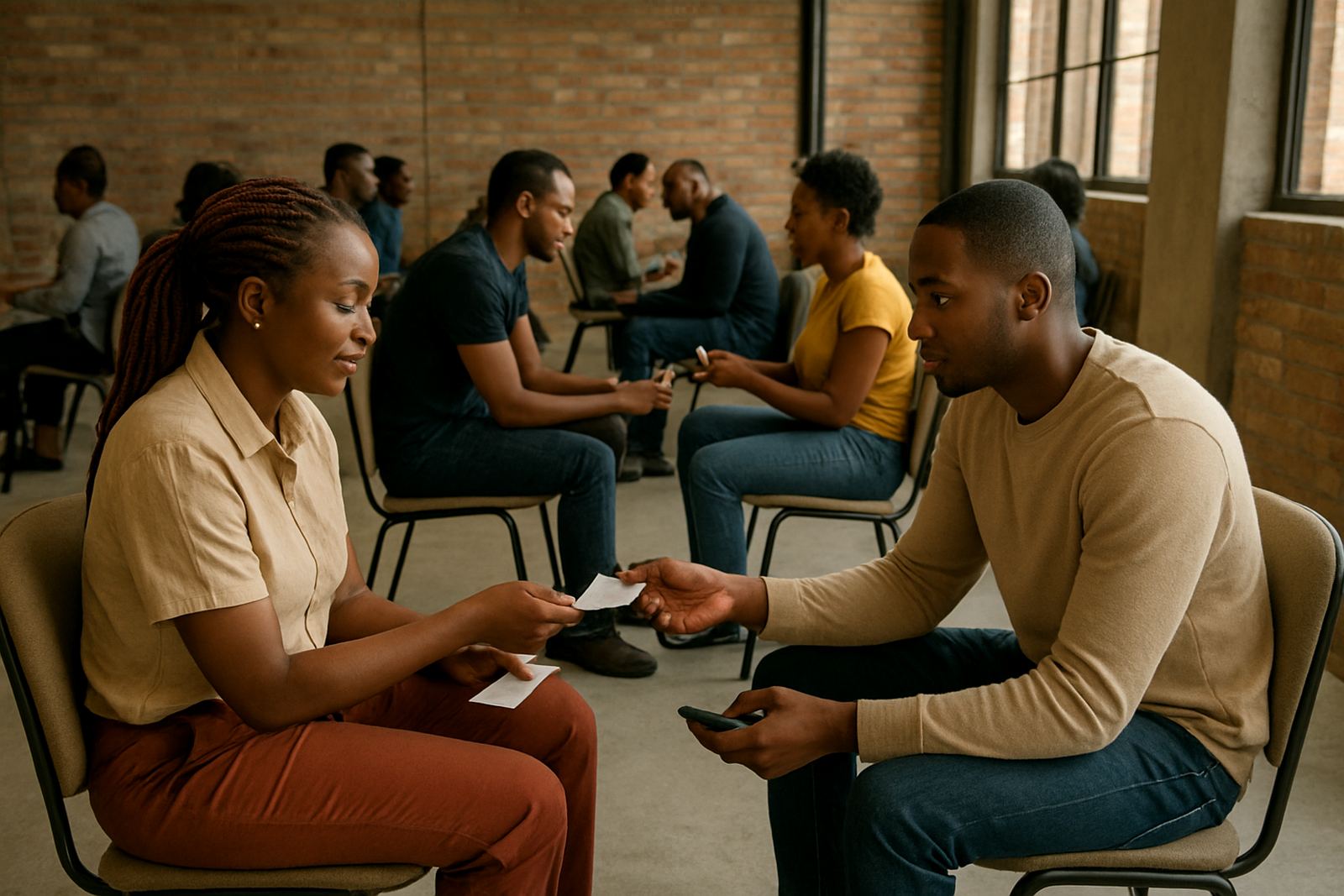
Creator Speed Networking is a structured introduction session where people rotate through short conversations and get straight to the point. It is built for practical connections between creatives, makers and service partners, whether you are looking for a fabricator in Pretoria, a content partner in Cape Town, or a product photographer in Johannesburg. The format works because everyone arrives with one clear goal, and that keeps the room focused.
In Braamfontein and at offsite venues across the country, we use this format for members who want to test ideas, compare notes and meet people they would not normally cross paths with. The pace is brisk but not rushed, and each round is long enough for a proper introduction, a project summary and a note on next steps. It is a good fit for both early-stage creators and established teams, especially when you need more than an online scroll through profiles.
Session sizes and format options
We run Creator Speed Networking in small, medium and larger session formats depending on the venue and the number of attendees. Small sessions suit 12 to 20 people and are ideal for focused matching. Medium sessions suit 20 to 40 people and allow a wider mix of disciplines. Larger sessions can go beyond that, but they need stronger venue control, clearer timing and a tighter check-in process.
- Small room format: 3 to 5 minute rounds, good for mentor links and supplier introductions
- Mid-size format: 4 to 6 minute rounds, better for mixed creator groups and showcase follow-up
- Extended format: timed rounds with a short break, useful for regional chapters and joint meetups
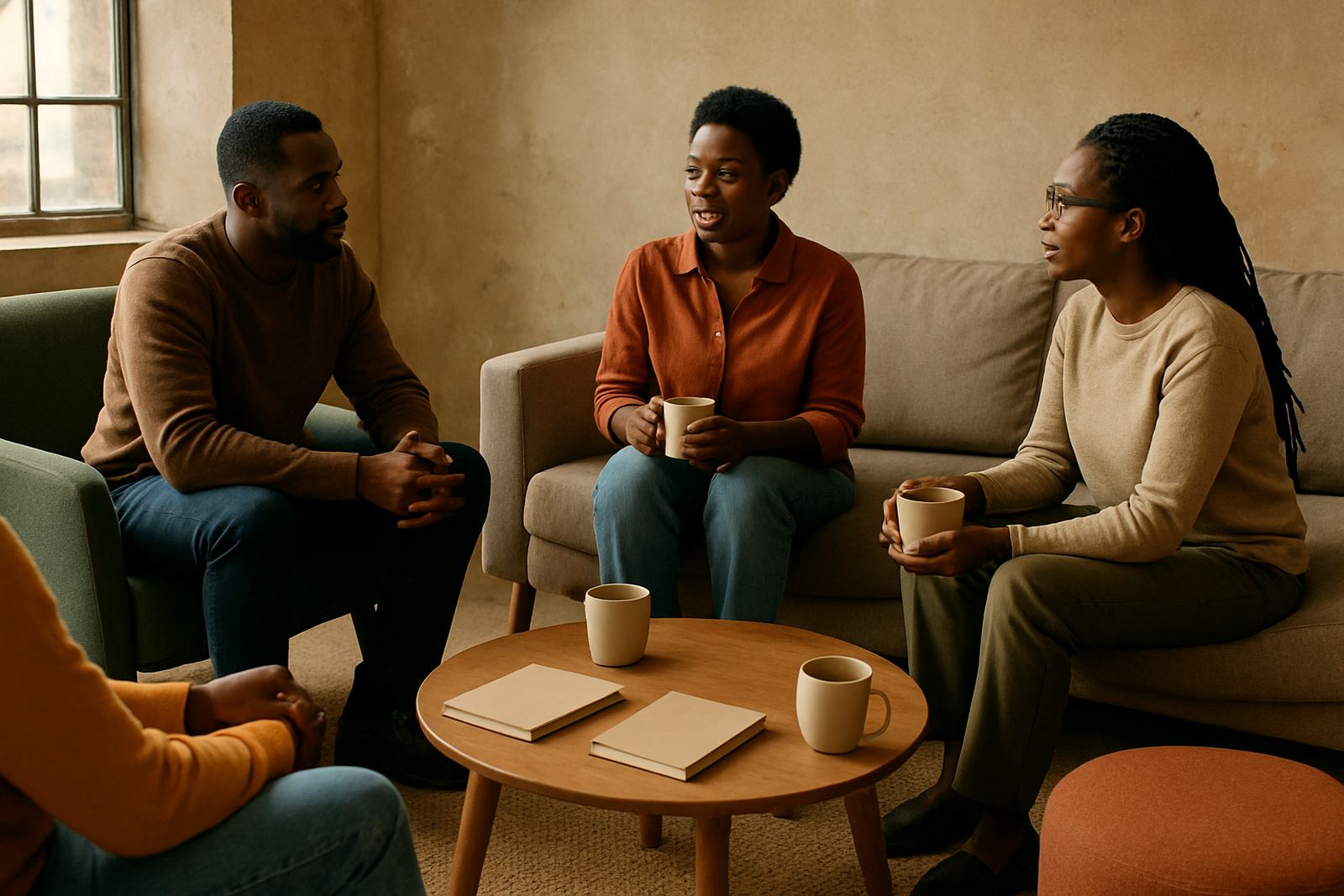
Most sessions are arranged as seated circles or table clusters, with movement between rounds. That makes the flow easy to manage and keeps noise down, which matters in shared venues where other programmes may be running nearby. If the room is wide and echoey, we will usually keep the group smaller so people can hear clearly without repeating themselves.
Where it suits best
This format suits chapter meetups, showcase side events, mentorship gatherings, co-working spaces and community venues with enough room for clear movement. It also works well at market halls, converted studios and venue spaces that already host panel talks or workshop sessions. In Johannesburg, Braamfontein and Newtown are especially practical because people can get there easily by public transport and short trips between nearby precincts are manageable.
We also use it for cross-city links with Cape Town, Durban, Pretoria, Nairobi and online attendees who join in from other regions. For online sessions, the structure stays the same, only the movement changes. We use timed breakout rooms and a clear sign-in list so the right people meet the right people without confusion. If your group includes product teams, digital creators and hands-on makers, this format gives each person a fair turn to speak.
- Best for new member onboarding and chapter meetups
- Useful before a showcase, pitch session or collaboration call
- Works well when attendees need suppliers, not just inspiration
Installation, venue setup and power needs
Creator Speed Networking does not need permanent installation, but the room layout matters. You need enough chairs, a registration point, a host position and a clear path for movement between rounds. For a room of 20 to 40 people, allow space for two to four standing zones or seated clusters, plus one quiet corner for late arrivals and check-ins. If the venue is in a municipal building or shared hall, check whether they require booking approval for moving furniture or using wall-mounted notices.
Power needs are light but important. A microphone is helpful for groups above 20 people, and a small speaker may be needed for timed cues in a noisier venue. If the session runs after dark or during load-shedding, plan for backup power for lights, audio and any laptop used for timing or sign-in. No gas is needed for the session itself, though some venues may use gas for catering or kitchen service nearby. Keep cables taped down and avoid loose leads across walkways, especially where people will be turning quickly between rounds.
Care, servicing and event-day checks
The main care is basic event management. Chairs, signage and timing tools should be checked before every session, and the room should be reset afterwards so the next group can use it without delay. If you are using name tags, clipboards or printed prompts, store them flat and dry. In humid coastal cities like Durban and Cape Town, keep paper materials sealed and off the floor so they do not curl or pick up damp.
For recurring sessions, review the flow after each event. If people feel rushed, extend the round time by a minute. If the room gets too loud, reduce group size or move to a quieter venue. If you host in winter, check heating and airflow so people stay comfortable. If the venue has municipal noise limits or cutoff times, make sure the schedule fits before the event is confirmed. A clean room, clear cues and a steady host make the difference, and small adjustments usually improve the next session fast.
- Confirm chair count, table layout and entrance flow
- Test microphone, speaker and backup power before doors open
- Keep water, pens and sign-in sheets on hand
- Reset the room and pack materials in dry storage after the event
What to check before you book
Before ordering or confirming a session, check the attendee count, the venue size, the preferred city chapter and the kind of introductions you want to create. A group of product designers may need supplier matching, while a creator cohort may want portfolio feedback and collaboration links. The more specific the brief, the better the matches. It also helps to know whether the session is in person or online, and whether you need follow-up notes after the introductions.
You should also confirm access details such as parking, security, stair access and whether the venue allows posters, table markers or wall signage. If the session is part of a public programme, check the start and end times against local transport and building access rules. For evening events, ask about generator backup or inverter support. One missing detail can slow the whole room down, so we always ask for the basics early.
Creator Speed Networking that saves time
Members return to Creator Speed Networking because it saves time and makes introductions more useful. Instead of sending messages that go nowhere, you meet people face to face and see who is serious about collaboration. That matters for creators working across South Africa and the continent, especially when the next step is a joint project, a supplier introduction or a market-ready product.
The format also suits people at different stages. New members get confidence and context, while experienced members get fresh contacts and a better sense of who is active in the network. For many groups, it becomes the quickest way to spot practical fit, not just a nice conversation. The room moves quickly, but the follow-up can be lasting, which is why the structure works so well.
Key facts
| Session length | 45 to 120 minutes depending on group size and format |
|---|---|
| Group size | 12 to 40 attendees for most in-person sessions |
| Round timing | 3 to 6 minutes per introduction round |
| Venue requirement | Clear floor space, chairs, sign-in point and host access |
| Power requirement | Basic power for lighting, timing device and optional audio |
| Best use | Collaborator matching, supplier links, mentor introductions and follow-up networking |