What Creative Partner Matching covers
Creative Partner Matching is a guided introduction service for people who need the right collaborator, not just another contact. We match product designers with makers, creators with photographers, workshop teams with stylists, and founders with people who can help move an idea from concept to market ready. The process is grounded in real briefs, clear budgets and what each person can actually deliver.
From our Braamfontein base in Johannesburg, we work with members across Cape Town, Durban, Pretoria, Nairobi and online. That gives us a wide pool for cross-border projects, but the matching still stays practical. We look at materials, timelines, production scale, transport, language, and whether the work needs local delivery or can be handled remotely.
- One-on-one partner matching for project-based work
- Shortlist support for designers, makers and production teams
- Matches for local and cross-border collaborations
- Support for one-off projects or ongoing partnerships
How the matching process works
We start with a brief that covers what you are making, when you need it, where the work will happen and what budget range is realistic. After that, the team reviews your brief and identifies possible partners from the network, including people in our Johannesburg chapters and members joining from other cities. We then set up a fit check so both sides can confirm scope, working style and availability before any commitment is made.
The process can be used for a quick collaboration or a longer run of work. If a project needs multiple roles, such as styling plus photography plus finishing, we can match one lead partner first and then build the team around that person. That saves time and helps avoid piecemeal coordination.
- Brief intake and project scoping
- Shortlist review based on skill and availability
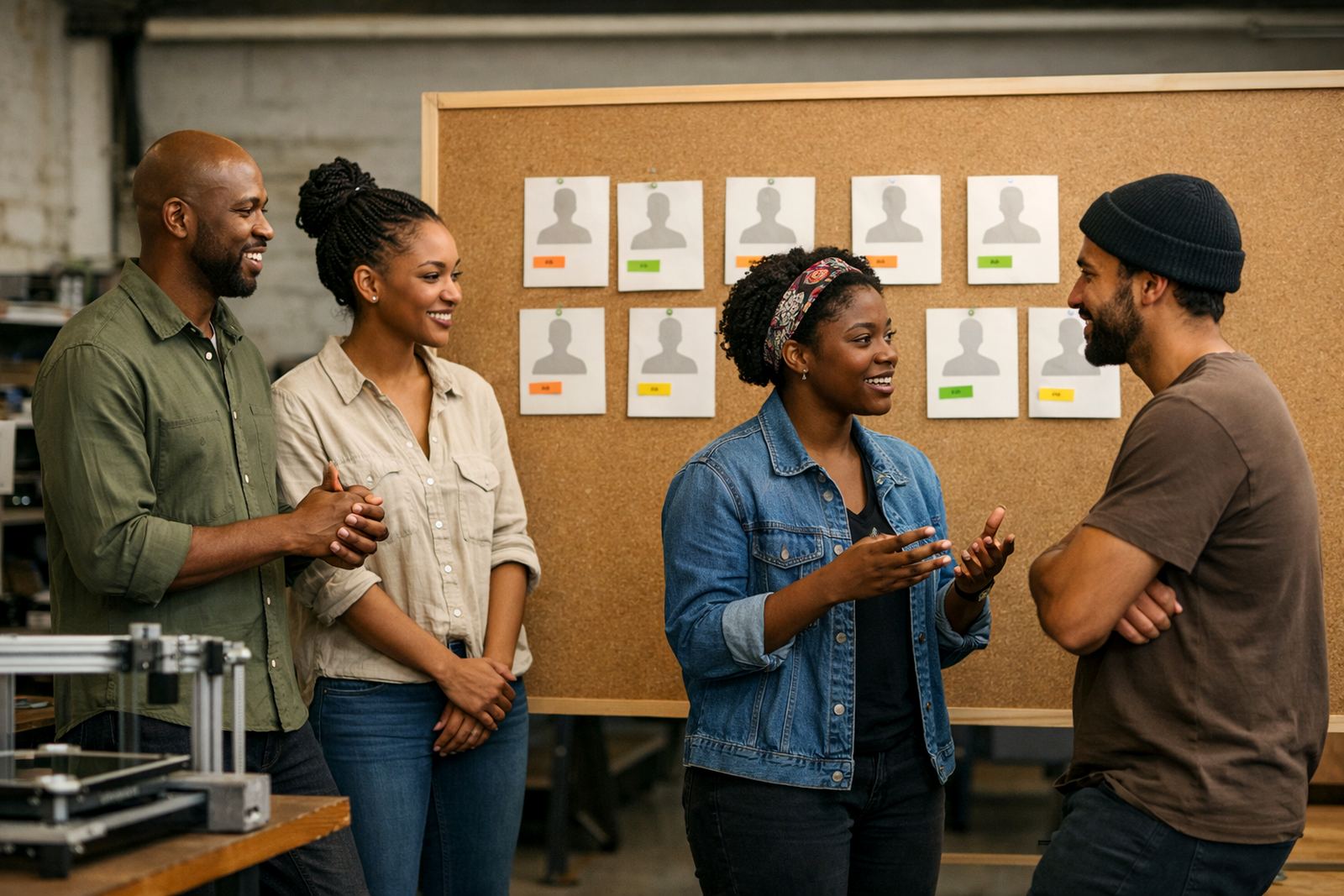
- Intro call or online session to confirm fit
- Follow-up support for pricing, timelines and next steps
Sizes and matching options available
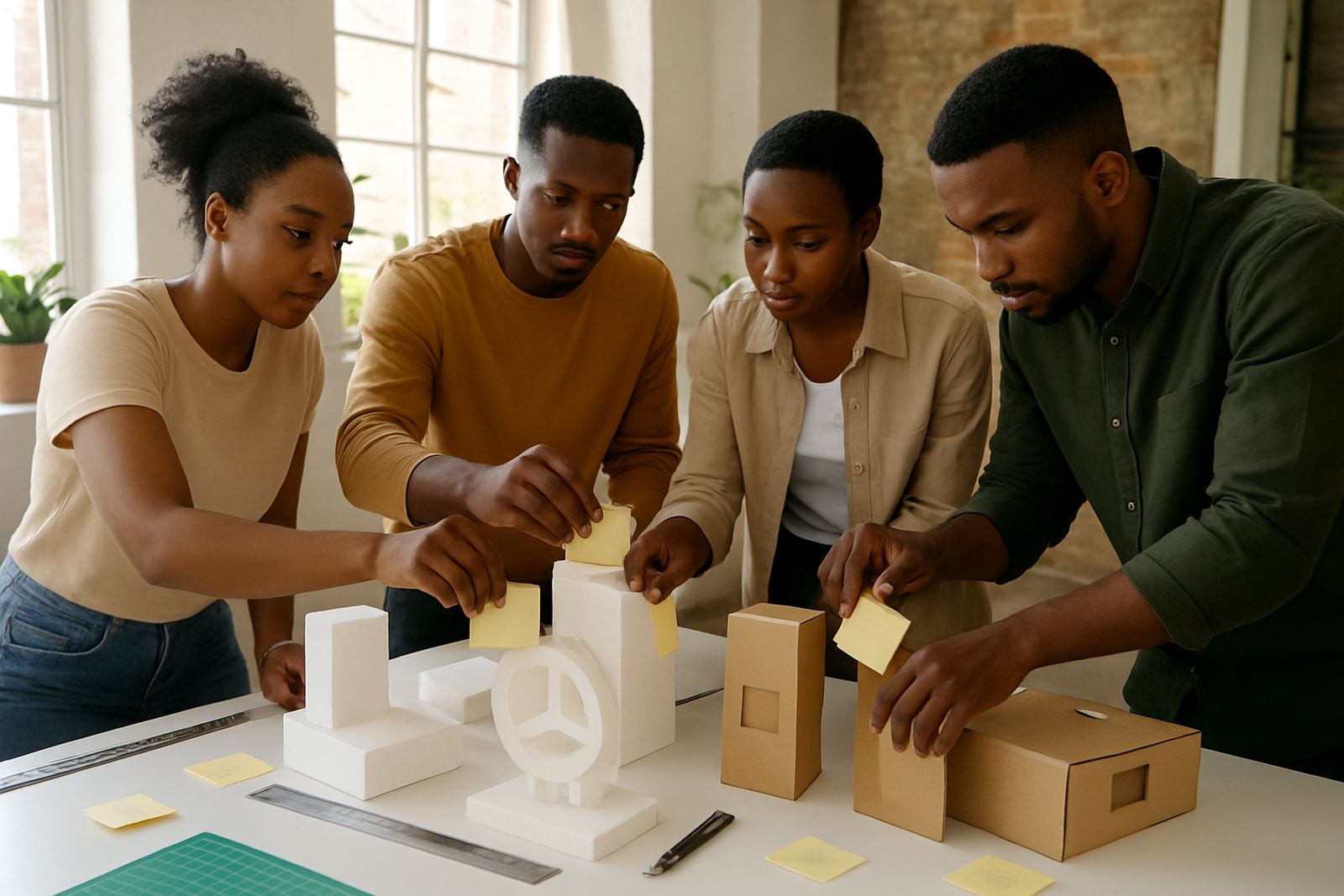
Creative Partner Matching is offered in a few formats so the support fits the size of the work. A smaller match is suited to a single collaboration such as a lookbook shoot, product launch content, or a short maker partnership. A medium programme works well for a small team building a campaign, pop-up or collection. A larger matching circle is best when you need several roles filled across production, presentation and market readiness.
For clients who want ongoing support, we can keep the matching active over a set period. That is useful for studios that hire in phases, or for founders who need fresh collaborators as a project grows. We also support online sessions for people outside Johannesburg, so distance does not block the process.
- Single match for one project or campaign
- Small team match for 2 to 3 collaborators
- Expanded match for multi-role projects
- Ongoing matching support over a set period
Where this suits best
This service suits people who need trusted collaboration, but do not have time to chase leads one by one. It is useful for product designers needing a maker, creators looking for a strong production partner, or workshop teams wanting someone who can handle styling, images or profile writing. It also works well for regional projects where a Johannesburg lead needs a collaborator in Durban, Cape Town, Pretoria or Nairobi.
We see strong demand from members working in markets, pop-ups, pitch events and maker spaces where timing matters. If you are preparing for a showcase, funding round or trade fair, a good match can reduce delays and help the work land properly. It is a practical option for teams that need people who understand deadlines, budgets and the realities of load-shedding, courier costs and short turnaround times.
- Creative founders building a small team
- Studios needing reliable project partners
- Makers and designers seeking cross-city collaboration
- Teams preparing for showcases, markets or launches
Setup needs, access and working conditions
There is no heavy installation required for the matching programme itself, but the best results come from having the basics in place. For in-person sessions in Braamfontein or another venue, a quiet meeting area, decent lighting and a stable power supply help keep conversations clear. If the session includes photography, styling or product review, a table or clean surface and enough room to handle samples makes a big difference.
For online sessions, you will need a stable internet connection, a laptop or phone with a working camera and enough power backup if loadshedding is affecting the area. If the collaboration involves physical work, check transport access, courier options and whether any venue rules apply for setup, noise or parking. For projects using heat tools, adhesives or finishing materials, the partner chosen should already have the correct safety setup and ventilation in place.
- Stable internet for online partner calls
- Power backup helpful during load-shedding
- Clean, well-lit space for in-person briefings
- Access to transport or courier planning where samples are involved
Care, follow-up and keeping the match useful
A good match still needs clear follow-up. After the first introduction, we encourage both sides to agree on scope, payment terms, handover dates and who owns what parts of the work. If the collaboration continues, regular check-ins help avoid confusion and keep the relationship healthy. We can also support profile updates, pricing notes and partner feedback if the project leads to more work later on.
There is no physical maintenance in the usual sense, but the service works best when briefs are kept current. If your budget, timeline or project direction changes, let us know early so the match stays relevant. That saves time for everyone and it keeps the process honest, which matters in creative work where a small misunderstanding can slow the whole job down.
- Confirm scope before work starts
- Set payment and delivery terms early
- Keep briefs updated if the project changes
- Use follow-up notes to strengthen future collaborations
What to check when ordering a match
Before you request a match, be ready with the basics: what you are making, who you need, when the work starts, where it happens and what budget you can actually work with. The more specific the brief, the better the match. If you need someone for a commercial project, mention whether you need styling, photography, packaging help or collaboration facilitation as part of the brief.
It also helps to note whether you need a local partner or are open to online work, whether you want a single person or a small team, and if there are any special requirements such as weekend availability, workshop access or venue approvals. When the brief is clear, the process moves faster and the right people can be introduced without wasted back and forth.
- Project goal and expected outcome
- Budget range and payment structure
- Location, timing and availability
- Exact skill set needed and any extra support roles
Key facts
| Programme type | Curated collaborator matching for creative projects |
|---|---|
| Matching scope | Local, cross-city and online across South Africa and Africa |
| Common uses | Product launches, content shoots, maker partnerships, showcases, campaigns |
| Typical team size | 1 to 5 collaborators, depending on project brief |
| Session format | In-person meetings in Johannesburg or online sessions |
| Support areas | Pricing, portfolio fit, availability, collaboration structure and follow-up |